
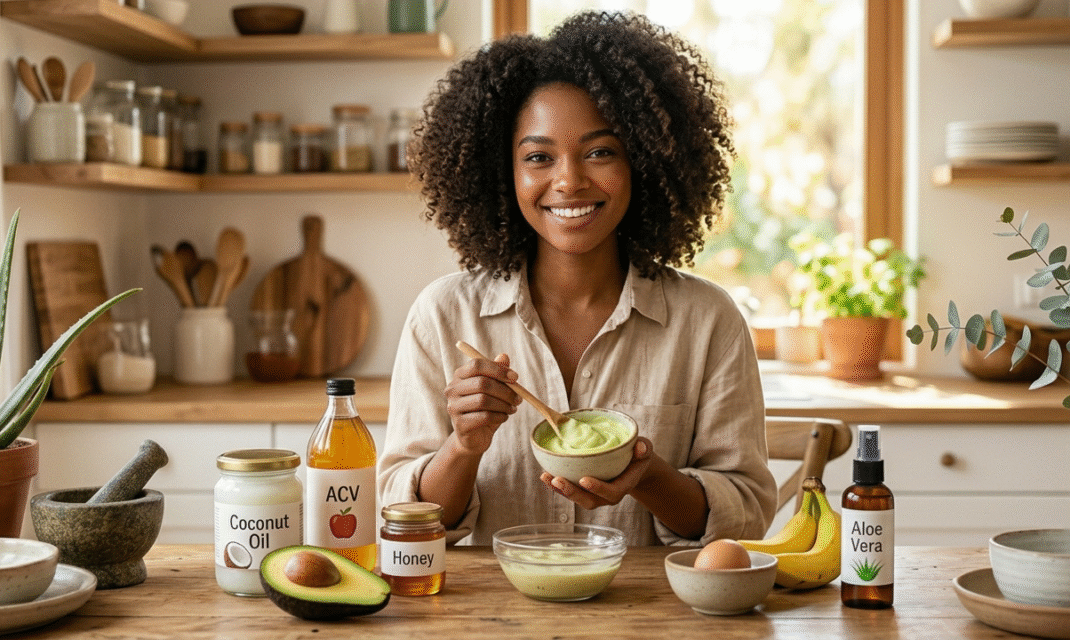
We have all been there: you step outside after spending forty-five minutes styling your hair, only to have the morning humidity instantly transform your sleek look into a cloud of unruly flyaways. It is frustrating, exhausting, and can make you want to hide under a hat all day.
If you are tired of battling stubborn flyaways and dry texture, you do not need an expensive salon treatment to fix it. Embracing home remedies for frizzy hair can restore your hair’s natural moisture, smooth down the cuticle, and give you long-lasting shine without the use of harsh chemicals.
In this comprehensive guide, we will break down exactly why frizz happens, explore the most effective natural remedies for frizzy hair, look at DIY frizzy hair treatments you can mix up in your kitchen, and share expert daily habits to keep your hair smooth and manageable.
What is Frizzy Hair and Why Does It Happen?
At its core, frizzy hair is a cry for moisture. To understand how to fix it, we have to look under the microscope at the anatomy of a hair strand.
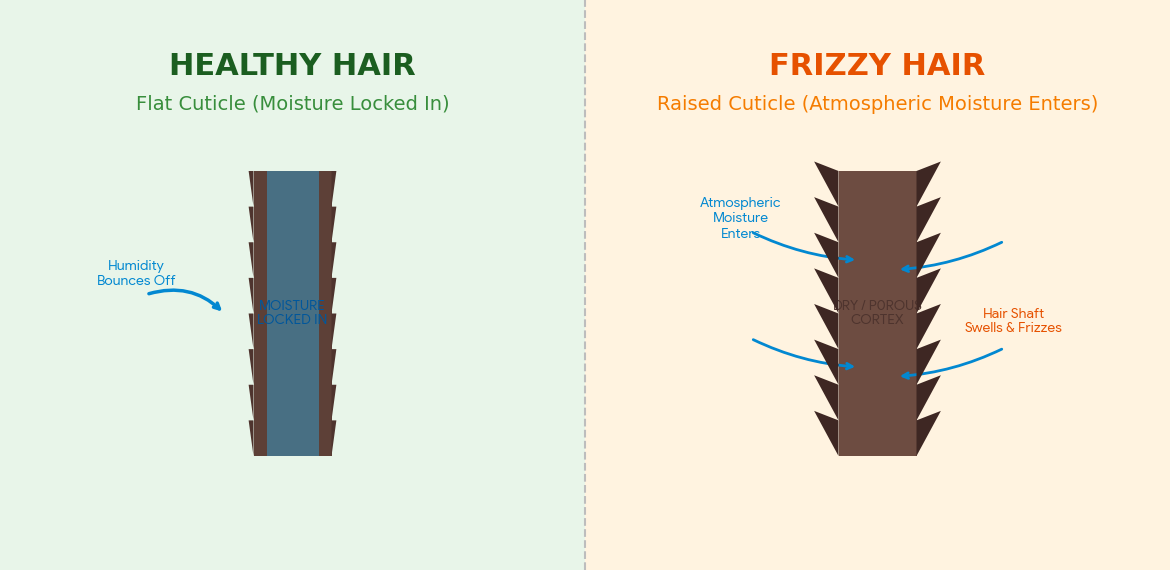
Each hair strand is covered by an outer layer of overlapping cells called the cuticle, which looks a lot like shingles on a roof. When your hair is healthy and well-hydrated, these shingles lie flat, sealing in moisture and creating a smooth, shiny surface.
However, when your hair becomes dry, damaged, or exposed to high humidity, the cuticle lifts. This allows moisture from the air to penetrate the hair shaft, causing it to swell and bend out of shape. The result? The uneven, fuzzy texture we know as frizz.
The Primary Triggers of Frizz
- Lack of Hydration: Naturally dry hair types (especially curly and coily textures) are more prone to frizz because sebum (natural scalp oil) struggles to travel down the hair shaft.
- Environmental Humidity: High moisture levels in the air force dry hair strands to absorb water vapor, breaking the temporary hydrogen bonds inside the hair and causing it to swell.
- Heat Damage: Frequent use of blow dryers, flat irons, and curling wands strips the hair of its natural lipids.
- Chemical Overprocessing: Bleaching, perms, and aggressive hair dyes degrade the protein structure of the hair, making the cuticle permanently porous.
Quick Guide to Taming Frizz Naturally
How do you get rid of frizzy hair naturally?
To get rid of frizzy hair naturally, you must restore the hair’s lipid barrier and seal the raised cuticle. The most effective method involves applying a weekly homemade hair mask for frizzy hair (such as an avocado and honey blend), washing with lukewarm water instead of hot, and sealing clean damp hair with a lightweight botanical oil like argan or jojoba oil.
Quick Fix Cheat Sheet
- Best Oil for Coarse Hair: Extra Virgin Coconut Oil
- Best Mask for Damaged Hair: Avocado & Egg Yolk
- Best Rinse for Dull Hair: Diluted Apple Cider Vinegar (ACV)
- Best Daily Habit: Swap cotton pillowcases for mulberry silk or satin.
Top 7 Home Remedies for Frizzy Hair
If you want to know how to get rid of frizzy hair naturally, look no further than your pantry. These science-backed, ingredient-focused solutions provide the best natural treatment for frizzy hair by repairing the hair barrier from the inside out.
1. The Avocado and Olive Oil Power Mask
Avocado is nature’s ultimate moisturizer. It is packed with vitamin E, biotin, and essential fatty acids that penetrate the hair shaft to nourish and strengthen it. Olive oil acts as an emollient, coating the hair to lock that moisture in.
- Ingredients: 1 ripe avocado, 2 tablespoons of extra virgin olive oil.
- Application: Mash the avocado into a smooth, lump-free paste. Stir in the olive oil. Apply evenly from mid-lengths to ends. Leave on for 30 minutes, then rinse thoroughly with cool water and a sulfate-free shampoo.
2. Apple Cider Vinegar (ACV) Clarifying Rinse
Hair has a natural pH of around 4.5 to 5.5, which is slightly acidic. Many commercial shampoos are alkaline, which causes the hair cuticle to lift. Diluted apple cider vinegar helps lower the pH of your scalp and hair, smoothing the cuticle flat and adding incredible shine.
- Ingredients: 2 tablespoons of raw apple cider vinegar, 1 cup of filtered water.
- Application: After shampooing, pour the mixture over your hair. Massage it into your scalp and strands. Let it sit for 2 to 3 minutes, then rinse completely with cool water. Use this once a week.
3. Organic Coconut Oil Deep Treatment
Coconut oil is one of the few botanical oils capable of deeply penetrating the hair shaft rather than just sitting on top of it. It contains lauric acid, which has a high affinity for hair proteins, preventing protein loss and reducing hygral fatigue (the swelling and shrinking of hair).
- Ingredients: 1–2 tablespoons of organic, cold-pressed coconut oil.
- Application: Warm the oil between your palms until it melts. Apply it to damp hair, focusing heavily on dry ends. Wrap your hair in a warm towel or shower cap for 45 minutes before washing it out.
4. Banana and Honey Moisture Lock
Bananas are rich in potassium, natural oils, and vitamins that soften hair and protect natural elasticity. Honey is a natural humectant, meaning it attracts moisture from the air and bonds it directly to the hair strand.
- Ingredients: 1 ripe banana, 1 tablespoon of organic honey.
- Application: Blend the banana thoroughly to ensure there are absolutely no chunks left (chunks are difficult to rinse out!). Mix in the honey. Apply to hair and let sit for 20 to 25 minutes before rinsing.
5. Aloe Vera Leave-In Conditioning Gel
Aloe vera contains proteolytic enzymes that repair dead skin cells on the scalp while acting as a fantastic, lightweight smoothing agent for lengths. It forms a protective, non-greasy barrier over the cuticle layer.
- Ingredients: Fresh aloe vera gel, a few drops of jojoba oil.
- Application: Mix equal parts aloe gel and water in a spray bottle with a drop of jojoba oil. Mist lightly onto damp hair after washing as a natural leave-in conditioner.
6. The Egg and Yogurt Protein Rebuilder
If your frizz is accompanied by limp, easily broken strands, your hair likely lacks structural protein. Yogurt contains lactic acid to cleanse the scalp and milk fat to condition, while eggs are loaded with proteins and lutein to rebuild structural bonds.
- Ingredients: 1 egg, 4 tablespoons of plain, unsweetened yogurt.
- Application: Whisk the egg and yogurt together until creamy. Apply to clean, damp hair. Crucial Note: Rinse out with cool or cold water only; hot water will cook the egg in your hair, making it impossible to remove easily.
7. Cold-Pressed Argan Oil Gloss
Often called “Moroccan gold,” argan oil is incredibly rich in antioxidants, fatty acids, and vitamin E. It works wonders as a natural anti-frizz serum, instantly smoothing flyaways without weighing hair down.
- Ingredients: 2–3 drops of pure argan oil.
- Application: Rub the drops vigorously between your hands and smooth them over dry, styled hair to tame stubborn flyaways and add an instant gloss finish.
| Further Reading: |
Choosing Your Frizzy Hair Remedy At Home
Different hair types require different approaches to hydration. What works for thick, coarse curls might weigh down fine, straight strands. Use this comparison table to identify the best frizzy hair remedies at home for your specific hair profile.
| Remedy Base | Ideal Hair Type | Primary Benefit | Frequency of Use |
| Coconut Oil | Coarse, thick, highly porous hair | Deep structural protein protection | Once every two weeks |
| Argan / Jojoba Oil | Fine, thin, low-porosity hair | Weightless shine and flyaway control | Daily or post-wash |
| Avocado & Olive Oil | Dry, damaged, color-treated hair | Intense emollient moisture | Weekly |
| Apple Cider Vinegar | Dull, product-heavy, frizz-prone hair | Closes cuticle, restores optimal pH | 1–2 times a month |
| Aloe Vera Gel | Curly, wavy, fine hair | Defined patterns without crunch | Every wash day |
5 Common Mistakes That Make Frizz Worse
Sometimes, despite using the best DIY frizzy hair treatment, you might inadvertently be sabotaging your results with your daily routine. Avoid these frequent hair care pitfalls:
- Drying Hair with a Rough Terry Cloth Towel: Rubbing wet hair with a traditional cotton towel creates intense friction, roughing up the hair cuticle and causing instant breakage and frizz.
- Brushing Hair While It’s Dry: If you have wavy or curly hair, running a dry bristle brush through your locks breaks up your natural curl clumps and creates a massive wall of frizz.
- Using High Heat Without Protection: Washing your hair with scalding hot water or using hot tools without a barrier strips away the natural lipid coating that keeps hair sleek.
- Over-washing Your Hair: Washing your hair daily strips the scalp of its natural sebum, leaving the ends brittle, parched, and desperate for environmental moisture.
- Using Products Containing Drying Alcohols: Many hairsprays and gels contain short-chain alcohols (like isopropyl alcohol or alcohol denat) that evaporate quickly but leave your hair incredibly dry.
| Further Reading: |
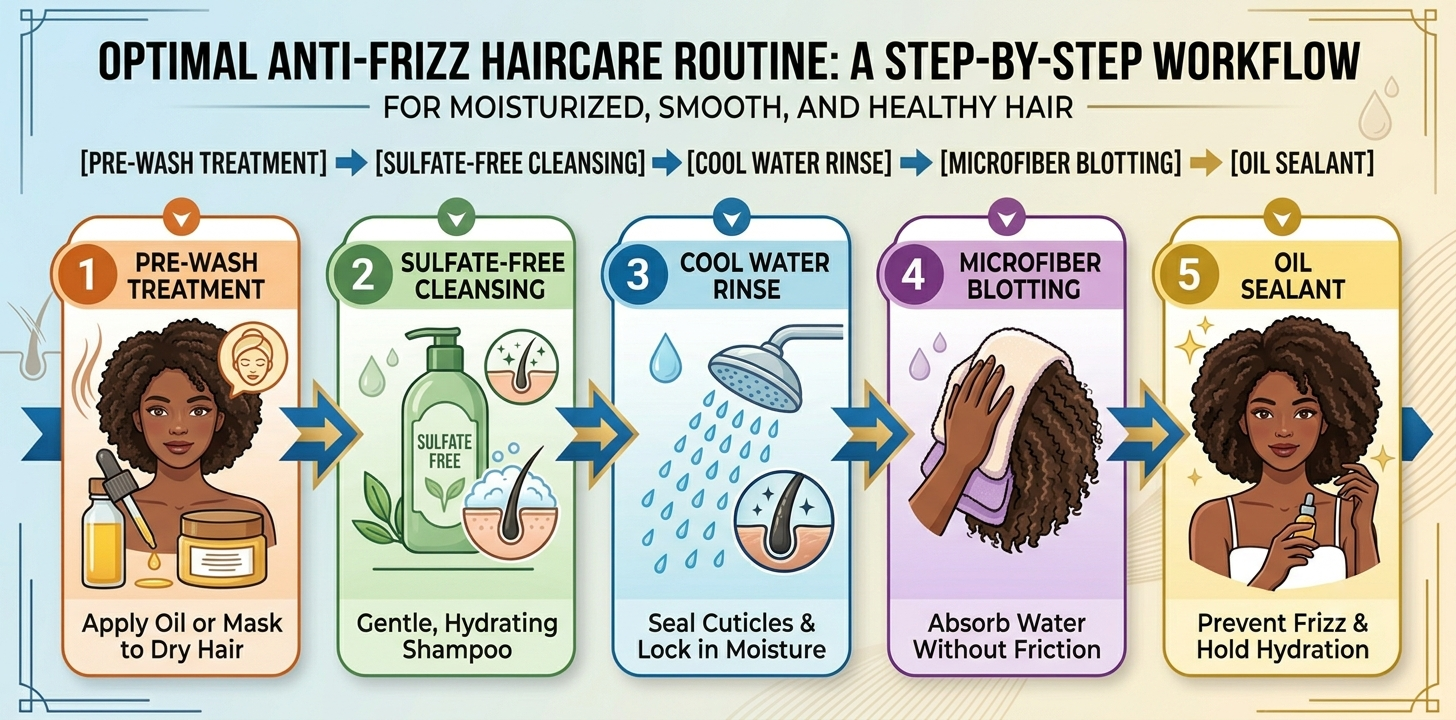
Step-by-Step Anti-Frizz Wash Day Routine
To maximize the efficacy of your chosen natural remedies for frizzy hair, integrate them into a mindful washing and styling workflow.
Step 1: Pre-Wash Treatment
Apply your favorite homemade hair mask for frizzy hair (like the avocado or banana blend) to dry or slightly damp hair before stepping into the shower. Let it work its magic for 20 to 30 minutes.
Step 2: Gentle Cleansing
Wash your hair using a sulfate-free, hydrating shampoo. Focus the product solely on your scalp, allowing the suds to gently rinse down your lengths rather than scrubbing the dry ends directly.
Step 3: Condition and Close
Apply a rich, silicone-free conditioner from mid-lengths to ends. Use a wide-tooth comb to detangle while the conditioner is still in the hair. Rinse thoroughly with lukewarm or cool water to force the hair cuticles to seal shut.
Step 4: Friction-Free Drying
Ditch the terry cloth towel. Instead, use an old clean cotton t-shirt or a specialized microfiber towel to gently squeeze and blot water out of your hair. Do not rub!
Step 5: Seal the Hydration
While your hair is still damp, apply a few drops of a protective oil (like argan or jojoba oil). This creates an occlusive barrier that seals the moisture inside your hair shaft, blocking atmospheric humidity from getting in and disrupting your style.
Expert Best Practices for Frizz-Free Hair
- Sleep on Silk or Satin: Swap out your standard cotton pillowcases. Silk and satin generate zero friction, meaning your hair glides smoothly across the surface all night without tangling or developing morning frizz.
- The “Pineapple” Method: If you have curly hair, gather your curls loosely at the very top of your head before bed using a silk scrunchie. This keeps you from sleeping directly on your curl pattern and ruffling the cuticles.
- Keep Your Hands Off: Once your hair is styled and drying, leave it alone. Continually touching, twirling, or adjusting your hair breaks up your natural pattern and creates friction-induced flyaways.
- Trim Regularly: Frizz often starts at the very bottom of the hair strand in the form of split ends. Getting a trim every 6 to 8 weeks keeps split ends from traveling up the hair shaft.
FAQs about Home Remedies for Frizzy Hair
What causes frizzy hair in the first place?
Frizzy hair is primarily caused by a lack of internal moisture combined with environmental humidity. When hair is dry or damaged, its outer cuticle layer lifts. This allows moisture from the air to penetrate the hair shaft, causing it to swell and bend irregularly rather than lying flat.
What are the best home remedies for frizzy hair?
The most effective home remedies include avocado and olive oil masks for deep moisture, apple cider vinegar rinses to balance hair pH and smooth the cuticle, and raw aloe vera gel as a natural, lightweight leave-in conditioner.
Does coconut oil help reduce frizz?
Yes, coconut oil is exceptional for reducing frizz because it is rich in lauric acid. This allows it to penetrate deep inside the hair shaft to prevent protein loss and lock out moisture from the air. However, it is best suited for coarse, thick, or highly porous hair types, as it can weigh down fine hair.
How often should I use natural hair masks for frizz?
For most hair types, using a deep-conditioning homemade hair mask once a week is ideal. If your hair is severely damaged from heat or chemical coloring, you can increase this to twice a week until your hair’s moisture balance is successfully restored.
Can frizzy hair be permanently fixed naturally?
Hair is non-living tissue, so it cannot be “permanently cured.” However, you can completely manage and prevent frizz by consistently using natural treatments, modifying your daily hair-care habits, avoiding heat damage, and keeping your hair properly hydrated from the inside out.
Conclusion
Taming unruly strands does not require chemical-laden salon treatments or expensive luxury products. By understanding that frizz is simply your hair’s way of asking for moisture, you can take control of your routine using simple, highly effective home remedies for frizzy hair.
From the deep-penetrating power of organic coconut oil to the pH-balancing properties of an apple cider vinegar rinse, these natural alternatives repair your hair’s protective cuticle layer from the comfort of your own home. Consistency is key: adopt a friction-free washing routine, treat your hair to a weekly nourishing mask, and protect your strands from mechanical damage. Over time, your hair will reward you with incredible shine, softness, and natural manageability.
Ready to start your journey to smoother hair today? Go check your kitchen pantry, whip up a fresh avocado moisture mask, and give your hair the hydration it deserves!
Which of these natural remedies are you going to try first? Let us know your results in the comments below!