

Finding that first strand of silver in the mirror can trigger a wave of emotions. For some, it is a proud badge of wisdom. For many others, it prompts an immediate, frantic Google search: can you reverse gray hair?
The narrative around aging has shifted. We are no longer just accepting the clock; we are looking at the biological mechanisms behind it. If you are reading this, you likely want to know if you can actually reverse gray hair, stop premature graying in its tracks, or if you are destined to just dye it forever.
The short answer? It depends entirely on why your hair is turning gray. While genetic aging is tough to battle, premature gray hair caused by stress, nutritional gaps, and lifestyle factors can often be halted and in some verified cases, entirely reversed.
This comprehensive guide breaks down the cellular science of graying, explores evidence-based gray hair treatment options, and provides a realistic, step-by-step framework to optimize your scalp health and restore natural hair color.
What is Gray Hair (And Why Does It Happen)?
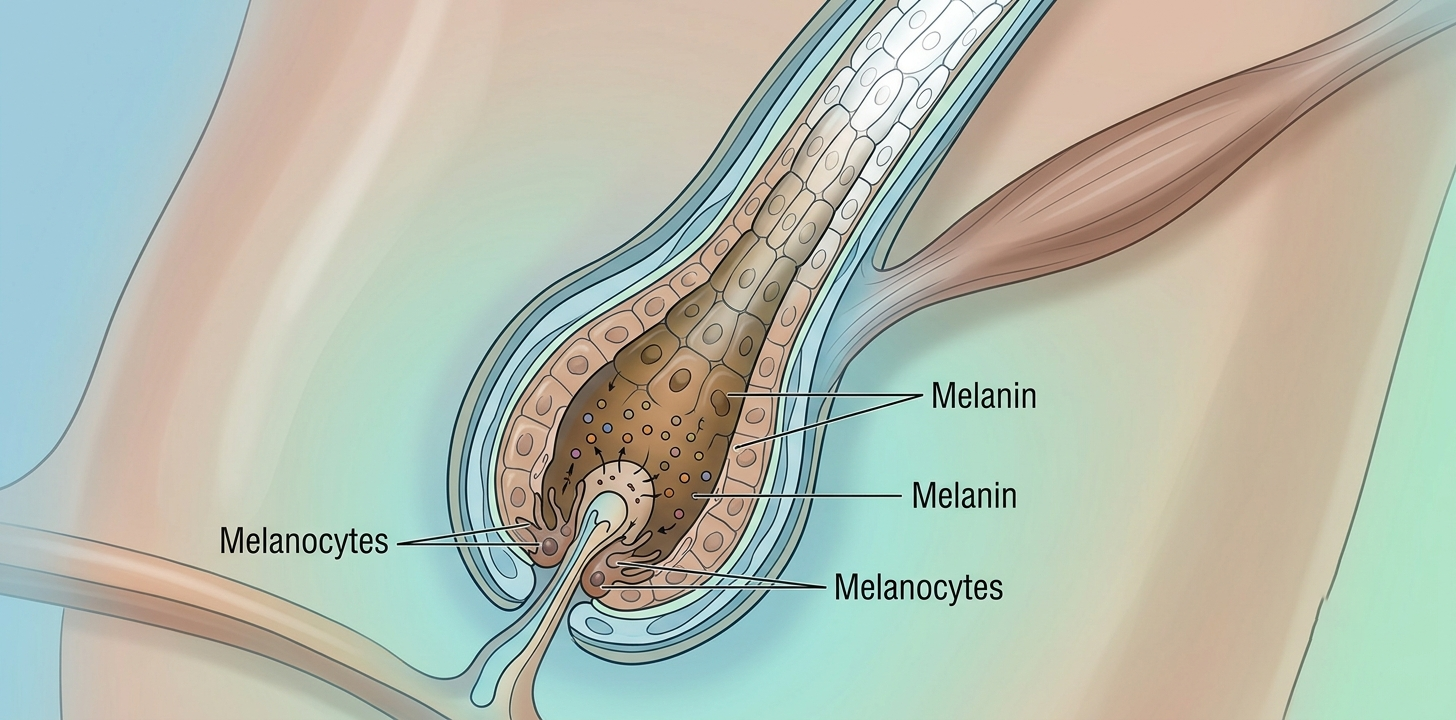
To understand how to reverse gray hair, you first need to understand the biological machinery inside your hair follicles. Your hair color is determined by specialized cells called melanocytes. These cells live within the hair follicle bulb and produce a pigment called melanin. There are two primary types of melanin:
- Eumelanin: Responsible for black and brown hair.
- Pheomelanin: Responsible for red and blonde hair.
As your hair grows, melanocytes inject melanin into the keratinocytes (the cells that make up the physical hair shaft).
When you go gray, this assembly line breaks down. Your melanocytes either become sluggish, stop producing melanin altogether, or die off due to a depletion of melanocyte stem cells. Without pigment, the new hair grows in completely clear, which appears white or gray against darker hair strands.
| ⬩➤ Feature Reading:- Home Remedies for Frizzy Hair: 7 Natural Solutions |
The Role of Hydrogen Peroxide
A fascinating piece of the biological puzzle is that our hair cells naturally produce small amounts of hydrogen peroxide. In young, healthy tissue, an enzyme called catalase breaks this hydrogen peroxide down into harmless water and oxygen.
As we age or experience prolonged biological stress, catalase production plummets. Hydrogen peroxide builds up in the follicle, effectively bleaching the hair from the inside out and damaging the melanocytes.
Can Gray Hair Really Be Reversed?
The Quick Answer: Yes, but only under specific circumstances. If your gray hair is caused by genetics or natural chronological aging, it cannot currently be reversed. However, if your graying is driven by vitamin deficiencies, medical conditions, oxidative stress, or environmental toxins, addressing the root cause can restore your natural color.
| ⬩➤ Feature Reading:- How Often Can You Dye Your Hair Safely? The Ultimate Guide to Protecting Your Strands |
What the Latest Science Says
In a groundbreaking 2021 study published in Elife by researchers at Columbia University Vagelos College of Physicians and Surgeons, scientists mapped out human hair pigmentation over time. They discovered that some gray hairs naturally regain their color when psychological stress is removed.
By analyzing individual strands with high-resolution digital imaging, they tracked color changes alongside participants’ stress diaries. When a participant took a vacation or resolved a high-stress period, specific gray hairs began growing back in their original pigment. This provided concrete mathematical proof that human hair graying is a reversible, dynamic biological process, distinct from simple chronological decay.
Common Causes of Premature Gray Hair
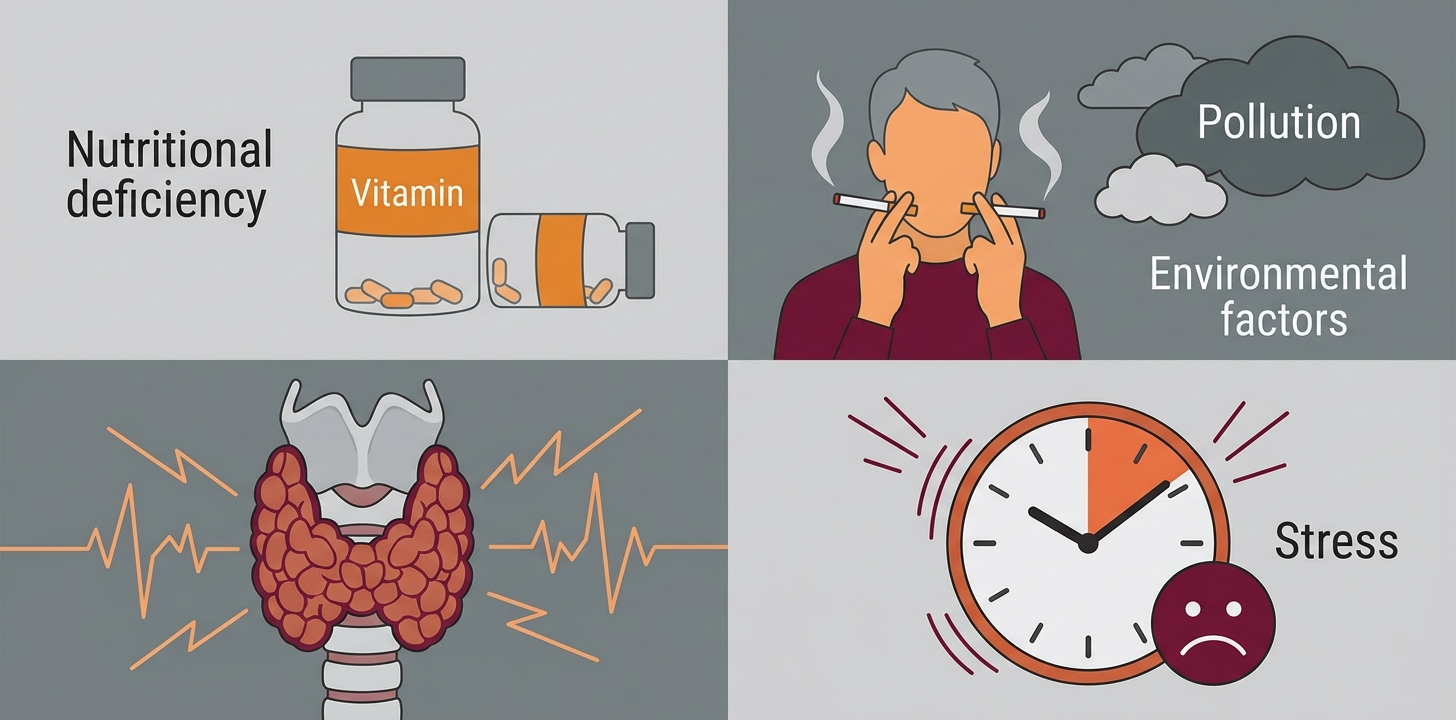
If you are noticing silver strands before the age of 30 (for Caucasians) or 35 (for African Americans and Asians), your graying is classified as premature. Identifying the underlying trigger is the absolute first step to finding a successful premature gray hair remedies protocol.
1. Nutritional and Vitamin Deficiencies
Your melanocytes require a highly specific cocktail of micronutrients to manufacture pigment. If your diet lacks these building blocks, the color factory shuts down.
- Vitamin B12: Essential for red blood cell production and DNA synthesis. B12 deficiency is one of the most common, clinically proven causes of reversible graying.
- Copper: Copper is a core cofactor for tyrosinase, the enzyme responsible for the first steps of melanin synthesis. Low copper levels equal low pigment.
- Iron and Zinc: Crucial for cellular repair and follicular growth. Low iron (ferritin) reduces blood flow and oxygenation to the scalp.
- Vitamin D3: Regulates the differentiation of melanocyte stem cells.
2. Chronic Oxidative Stress
Oxidative stress occurs when your body has too many free radicals (unstable molecules) and not enough antioxidants to neutralize them. This imbalance destroys melanocytes. Major drivers include:
- Psychological stress (which floods the body with norepinephrine, depleting melanocyte stem cells).
- Cigarette smoke (nicotine restricts blood vessels, starving the scalp of nutrients).
- UV radiation and heavy pollution.
3. Thyroid Disorders and Autoimmune Conditions
Both hypothyroidism and hyperthyroidism alter metabolic rates throughout the entire body, which directly impacts the active phase of your hair follicles. Autoimmune conditions like alopecia areata or vitiligo can cause the immune system to mistakenly attack pigment-producing cells in the skin and hair.
| ⬩➤ Feature Reading:- What Are Miracle Knots? Must-Know Hair Guide |
How to Reverse Gray Hair Naturally: A Step-by-Step Protocol
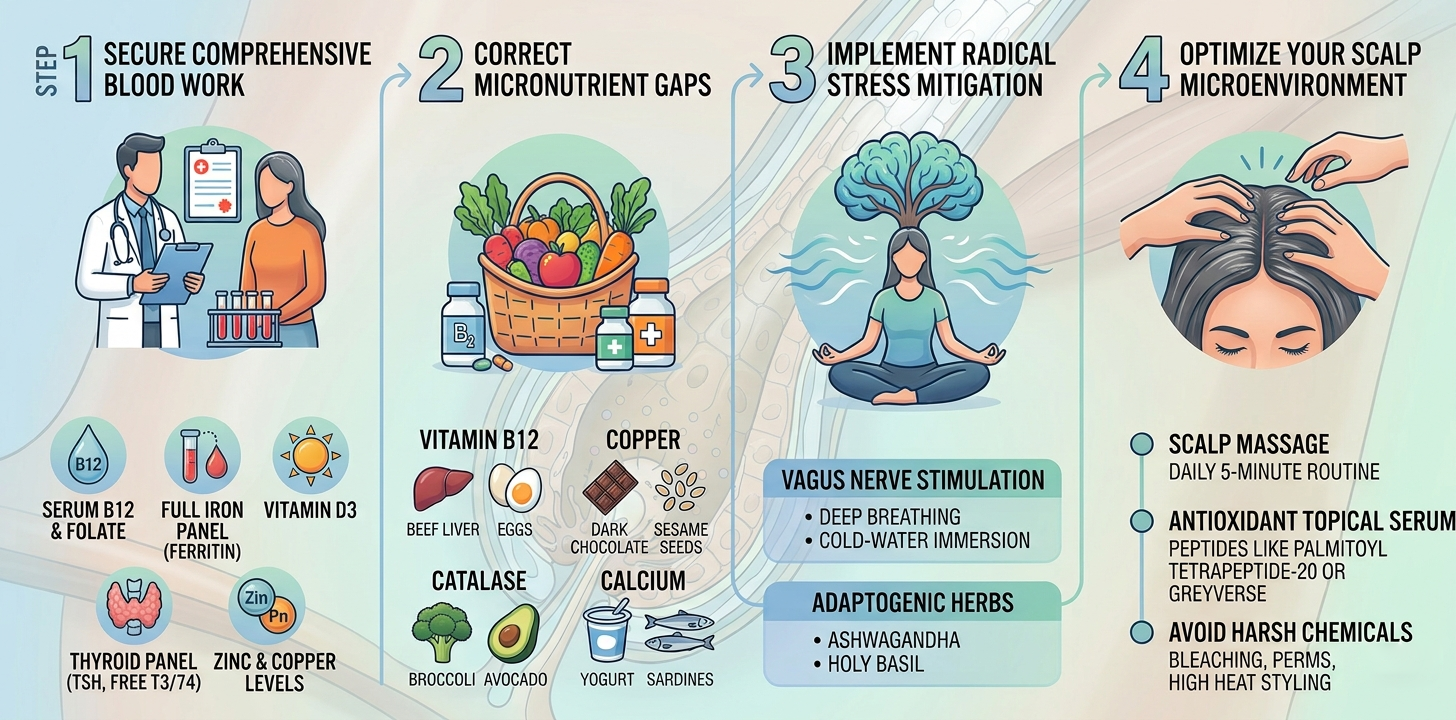
If you want to stop gray hair naturally and encourage repigmentation, you need a structured strategy that addresses both your internal biochemistry and your external scalp environment.
Step 1: Secure Comprehensive Blood Work
Do not guess—test. Before spending money on random supplements, visit your healthcare provider and request a full panel to rule out systemic triggers. Ask for:
- Serum Vitamin B12 and Folate
- Full Iron Panel (including Ferritin)
- Vitamin D3
- Complete Thyroid Panel (TSH, Free T3, Free T4)
- Zinc and Copper levels
Step 2: Correct Micronutrient Gaps
Based on your lab results, systematically replenish your nutrient levels. Focus on whole-food sources first, adding targeted, high-quality supplements where necessary.
| Nutrient | Role in Hair Pigmentation | Top Food Sources |
| Vitamin B12 | Supports red blood cell health & DNA | Beef liver, sardines, eggs, fortified nutritional yeast |
| Copper | Activates the tyrosinase enzyme for melanin | Dark chocolate, organ meats, sesame seeds, cashews |
| Catalase | Neutralizes harmful hydrogen peroxide | Beef liver, broccoli, sweet potatoes, avocados |
| Calcium | Aids in proper cellular communication | Yogurt, raw milk, sardines, leafy greens |
Step 3: Implement Radical Stress Mitigation
Because science has confirmed that stress-induced graying is reversible, managing your nervous system is a core pillar of any gray hair treatment.
- Vagus Nerve Stimulation: Practices like deep diaphragmatic breathing or cold-water face immersion can rapidly down-regulate cortisol.
- Adaptogenic Herbs: Ashwagandha and Holy Basil (Tulsi) have been clinically shown to assist the body in managing chronic emotional stress.
Step 4: Optimize Your Scalp Microenvironment
Healthy hair requires a pristine environment. Protect your scalp from localized oxidative damage with these habits:
- Scalp Massage: Regular 5-minute daily massages boost local microcirculation, ensuring nutrients carried by your blood actually reach the hair bulb.
- Antioxidant Topical Serums: Look for formulations containing peptides (like Palmitoyl Tetrapeptide-20 or Greyverse), which mimic the body’s natural signaling molecules to stimulate melanin production and reduce hydrogen peroxide buildup.
- Avoid Harsh Chemical Processing: Frequent bleaching, perms, and high-heat styling accelerate the destruction of fragile melanocytes.
Common Mistakes in Managing Gray Hair
When people desperately want to restore natural hair color, they often fall prey to marketing gimmicks or outdated myths. Avoid these common pitfalls:
- Plucking Gray Hairs: While the myth that “plucking one makes seven grow back” is entirely false, plucking is still dangerous. Aggressive plucking damages the hair follicle matrix, which can eventually lead to localized scarring and permanent hair loss (alopecia).
- Relying on “Miracle” Shampoos: Be wary of cheap consumer shampoos claiming to instantly reverse gray hair. Most simply contain temporary, low-grade metallic dyes that coat the hair shaft rather than fixing the underlying cellular issue.
- Over-supplementing with Zinc: While zinc is beneficial, taking massive doses of zinc without balancing it with copper will actually deplete your body’s copper stores—ironically causing or worsening your gray hair.
| ⬩➤ Feature Reading:- Why is My Hair So Oily? What You’re Doing Wrong |
Expert Tips for Ageless Hair
To elevate your hair care strategy, implement these insider tips used by trichologists and longevity specialists:
💡 Trichologist Insider Strategy
- Incorporate Fo-Ti (He Shou Wu): In Traditional Chinese Medicine, this root is highly revered as a premier longevity tonic used to treat premature graying. Modern studies suggest it may help stimulate melanin synthesis by up-regulating specific gene expressions within hair cells. Always source high-quality, third-party-tested extracts to prevent liver toxicity.
- Switch to Rosemary Oil: Massage your scalp with a carrier oil infused with rosemary essential oil. It is a potent, natural antioxidant that improves circulation and neutralizes free radicals directly at the follicular root.
Cosmetic vs. Biological Solutions
When dealing with silver strands, you essentially have two pathways. Understanding the pros and cons of each helps set realistic expectations.
| Feature | Biological Solutions (Nutrients, Stress Management) | Cosmetic Solutions (Dyes, Tints, Glosses) |
| Mechanism | Restores actual melanin production inside the follicle. | Covers up the translucent hair shaft from the outside. |
| Timeframe | 3 to 6 months (requires an entire hair growth cycle). | Immediate (1 to 2 hours). |
| Permanence | Long-lasting, structural fix. | Temporary; requires root touch-ups every 3 to 6 weeks. |
| Cost | Low to moderate (testing, lifestyle shifts, basic clean supplements). | High over time (continuous salon visits or box kits). |
| Side Effects | Improves overall health, energy, and skin vitality. | Potential for scalp irritation, chemical burns, or dry hair. |
Frequently Asked Questions (FAQs)
Can gray hair really be reversed?
Yes, gray hair can be reversed if the primary trigger is non-genetic. Reversible causes include acute psychological stress, specific nutritional deficiencies (like Vitamin B12 or copper), environmental toxin exposure, or underlying thyroid issues. If the graying is caused purely by age-related genetics, it cannot currently be reversed.
What causes premature gray hair?
Premature gray hair is caused by a mix of genetics, accelerated oxidative stress, smoking, poor diet, and underlying medical conditions. At a cellular level, it happens when the pigment-producing cells (melanocytes) experience damage or lack the necessary raw materials to synthesize melanin.
Are there natural ways to reduce gray hair?
Absolutely. To naturally reduce gray hair, focus on a diet rich in trace minerals and B-vitamins, incorporate antioxidant-rich foods to combat free radicals, practice daily stress management to lower cortisol, and use targeted botanical scalp topicals to stimulate blood flow and protect follicular health.
Can vitamin deficiencies contribute to gray hair?
Yes, vitamin deficiencies are a leading cause of premature graying. Low levels of Vitamin B12, Vitamin D3, Iron, Zinc, and Copper directly disrupt the metabolic pathway of melanin synthesis, leading to unpigmented, clear hair strands.
When should I see a doctor about premature graying?
You should see a doctor if you notice a sudden, rapid onset of gray hair accompanied by other systemic symptoms, such as unexplained fatigue, weight fluctuations, skin changes, or mood shifts. This can point toward underlying issues like thyroid dysfunction, severe anemia, or an autoimmune condition.
Summary and Next Steps
Dealing with silver hair does not mean you are powerless. While genetic timing plays a large role, your daily choices, stress levels, and nutritional status profoundly dictate how your hair ages. To give your body the absolute best chance to reverse gray hair, remember to test your vitamin levels, aggressively manage chronic oxidative stress, protect your scalp environment, and fuel your body with the clean, nutrient-dense blocks required for melanin synthesis. Be patient with your body hair grows at an average rate of just half an inch per month. True biological transformation takes time, consistency, and a holistic approach.
What is your next step? Schedule that blood panel, take a deep breath, and start nourishing your hair from the inside out.