
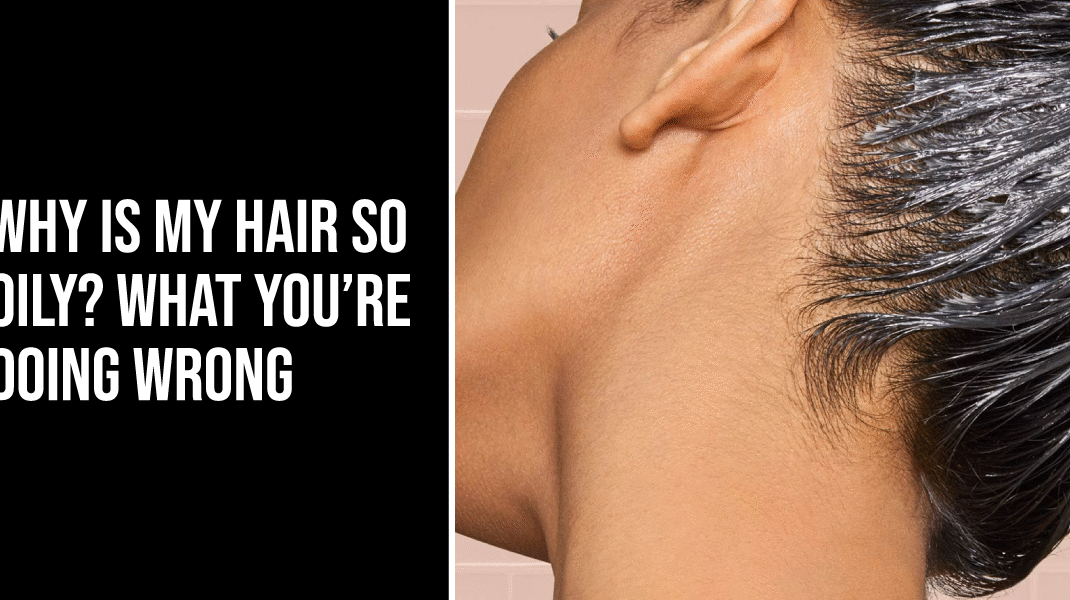
You wash your hair, it feels fresh, and then suddenly, by the next day (or even later, the same day), it starts to look oily or greasy again. That moment usually makes you wonder, “Why is My Hair So Oily?” It’s a frustrating experience, especially when it feels like nothing you do keeps your hair fresh for long.
The truth is that oily hair doesn’t mean something is “wrong” with you. It simply means your scalp is producing more oil (called sebum) than your hair actually needs. This oil is natural and important, but when there’s too much of it, your hair can quickly lose its clean, lightweight feel.
The good news? Once you understand what’s causing it, you can easily control it with a few simple changes in your routine. That is what we will cover in this guide.
Why is My Hair So Oily?
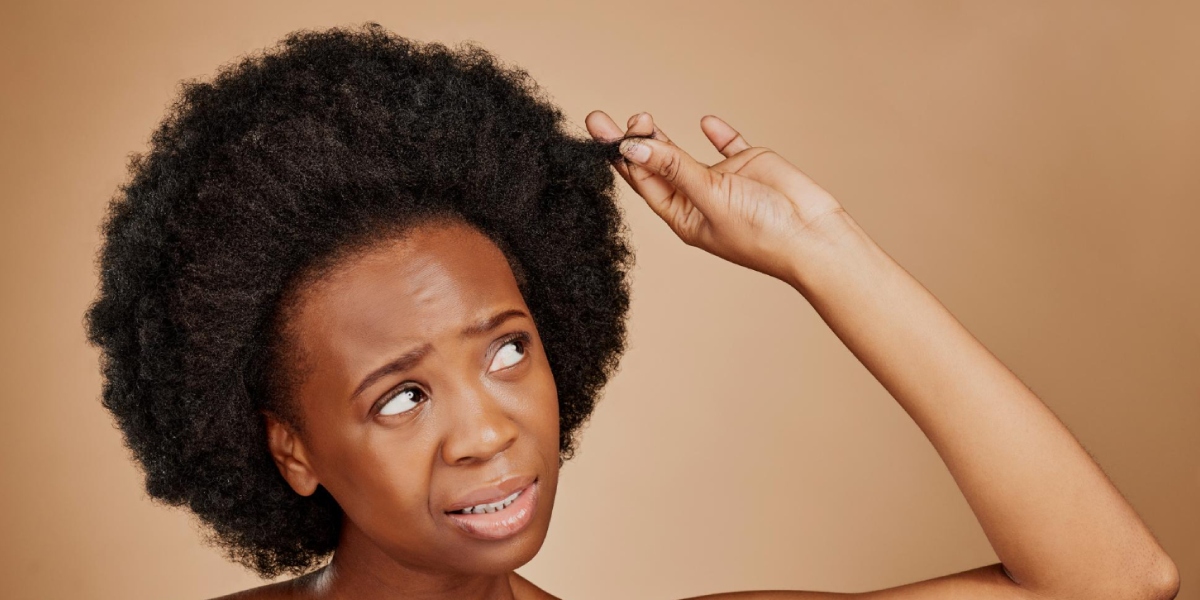
Your scalp naturally produces oil to keep your hair soft, shiny, and protected. But when this oil becomes too much, your hair starts to look flat, greasy, and heavy.
Let’s break down the most common oily hair causes in detail.
1. Washing Too Often
This is one of the biggest reasons why hair gets greasy fast. When you wash your hair too frequently, you strip away all the natural oils your scalp needs to stay balanced.
In response, your scalp goes into “repair mode” and starts producing even more oil to make up for the loss. Over time, this creates a cycle where your hair feels oily much faster than before, even within a day of washing.
2. Not Washing Enough
On the other hand, waiting too long between washes can also lead to oily hair. When you don’t wash regularly, oil, sweat, dirt, and environmental pollution start to build up on your scalp.
This buildup makes your hair feel heavy, sticky, and greasy. The key is to find the right balance, because both overwashing and underwashing can cause oil problems.
3. Using the Wrong Products
Not all shampoos and conditioners are suitable for every hair type. Some products are too heavy or contain ingredients like silicones and strong chemicals that can leave a layer of residue on your scalp.
This buildup traps oil and makes your hair look greasy, even right after washing. Choosing lightweight, gentle products made for your hair type can make a big difference.
Here are the best shampoos and conditioners for the oily hair issue.
4. Applying Conditioner on the Roots
Conditioner is designed to hydrate and smooth the lengths of your hair, not the scalp. When you apply it directly to your roots, it adds extra moisture where it’s not needed. This can weigh your hair down and make your scalp look oily much faster.
5. Hair Type & Genetics
Sometimes, oily hair is simply due to your natural hair type and genetics. If you have fine or straight hair, oil can travel more quickly from your scalp down the hair strands. This makes your hair appear greasy faster compared to thicker or curly hair types.
6. Hormonal Changes
Hormones play a big role in how much oil your scalp produces. Changes caused by stress, puberty, menstrual cycles, or even lack of sleep can increase oil production. This is why your hair might suddenly become oilier at certain times.
7. Touching Your Hair Too Much
It may seem harmless, but touching your hair often can actually make it greasier. Your hands carry natural oils, dirt, and bacteria, which transfer directly to your hair every time you touch it. Also, frequent touching can stimulate your scalp to produce more oil.
8. Dirty Hair Tools & Pillowcases
Your hairbrush and pillowcase can collect oil, dirt, and product residue over time. When you use a dirty brush or sleep on an unclean pillowcase, that buildup transfers back onto your hair. This can quickly make freshly washed hair feel greasy again.
9. Product Buildup
Using too many styling products like dry shampoo, hair sprays, or oils can lead to buildup on your scalp. Even if you wash your hair, some products don’t fully rinse out and start to accumulate over time. This buildup traps oil and makes your hair feel heavier and greasier.
10. Diet & Lifestyle
Your daily habits also affect your scalp health. Eating too much sugary or fried food, getting poor sleep, and dealing with high stress levels can increase oil production in your body.
Signs You Have Oily Hair
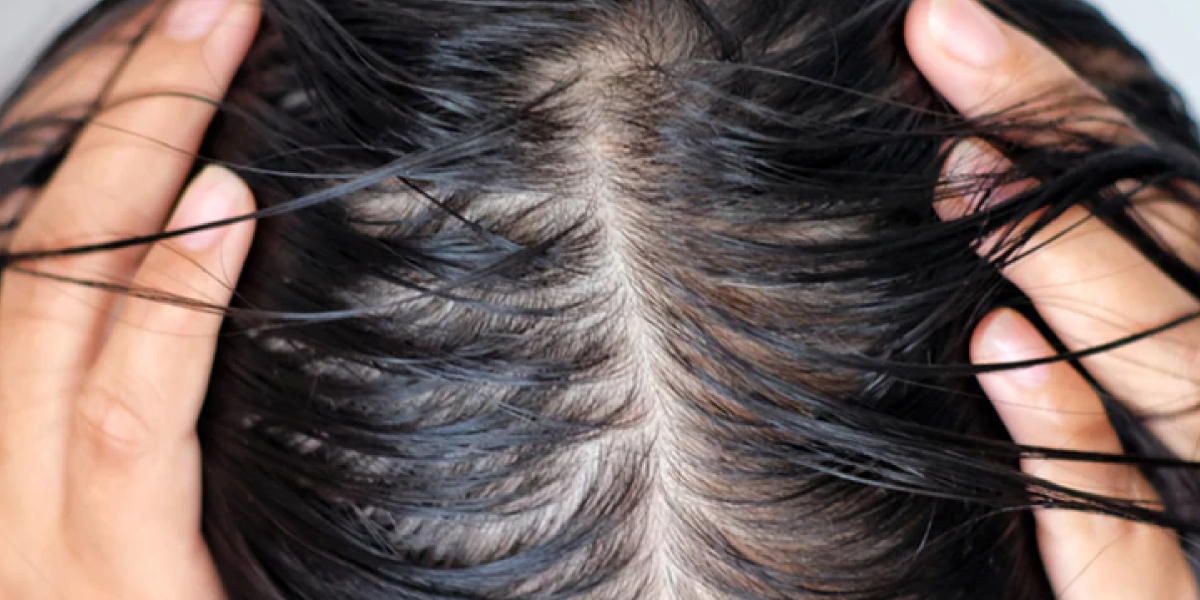
Oily hair is easy to notice once you know what to look for. It usually shows up as greasy roots, flat volume, and hair that loses its freshness very quickly after washing.
- Hair looks flat and lifeless
- Roots feel sticky or greasy
- Hair gets oily within 1–2 days
- The scalp may feel itchy.
How to Stop Oily Hair (Easy Solutions)
Now let’s talk about some simple ways to stop oily hair without making things complicated.
1. Fix Your Washing Routine
Don’t wash your hair every day unless really needed, as this can increase oil production. Try washing every 2–3 days and adjust based on what suits your hair type best.
2. Use a Gentle or Clarifying Shampoo
A gentle or clarifying shampoo helps remove extra oil and product buildup while keeping your scalp balanced. Use a clarifying shampoo once a week only, as using it daily can be too harsh.
3. Condition Only the Ends
Avoid applying conditioner to your roots and focus only on the mid-lengths and ends. Use a small amount so your hair stays light and doesn’t get greasy quickly.
4. Use Lukewarm Water
Very hot water can dry out your scalp and trigger more oil production as your skin tries to compensate. Always use lukewarm water for washing and finish with a cool rinse to help maintain balance.
5. Try Dry Shampoo
Dry shampoo absorbs excess oil from your roots and instantly refreshes your hair. It also adds volume, making it perfect for busy days between washes.
6. Clean Your Tools Regularly
Wash your hairbrush at least once a week to remove oil and dirt buildup. Also, change your pillowcase every 3–4 days to avoid transferring oil back to your hair.
7. Avoid Touching Your Hair
Try to keep your hands off your hair as much as possible to prevent transferring oils. If needed, tie your hair back to reduce the habit of touching it frequently.
|
Struggling with oily hair? Salon Essentials LA has expert products and tips to control grease and keep your hair fresh. Call 504-214-4089 today! |
Natural Greasy Hair Remedies (Expert Tips)
If you prefer natural solutions, here are some safe and effective greasy hair remedies you can try at home.
- Aloe vera helps remove excess oil and soothes the scalp. Just mix aloe gel with a mild shampoo and use it weekly.
- An apple cider vinegar rinse removes buildup and balances your scalp’s pH; mix 1 part vinegar with 1 part water and rinse after shampoo.
- Lemon juice can reduce oil naturally and add shine. Simply add a few drops to water and rinse your hair.
- Tea tree oil is great for fighting excess oil and dandruff; add 2–3 drops to your shampoo.
Also, maintaining a healthy diet by eating more fruits and vegetables, omega-3 foods like fish and nuts, and nutrients like zinc and vitamin B can help control oil production from the inside.
How Often to Wash Oily Hair?
This depends on your scalp, but generally:
- Very oily scalp → every 1–2 days
- Normal oily scalp → every 2–3 days
The goal is balance: not too dry, not too greasy.
When to See a Doctor
If you notice:
- Severe itching
- Thick flakes (dandruff)
- Hair loss
It could be a condition like seborrheic dermatitis.
That’s all about the exact answer to your question, “Why is My Hair So Oily?”
FAQs
|