
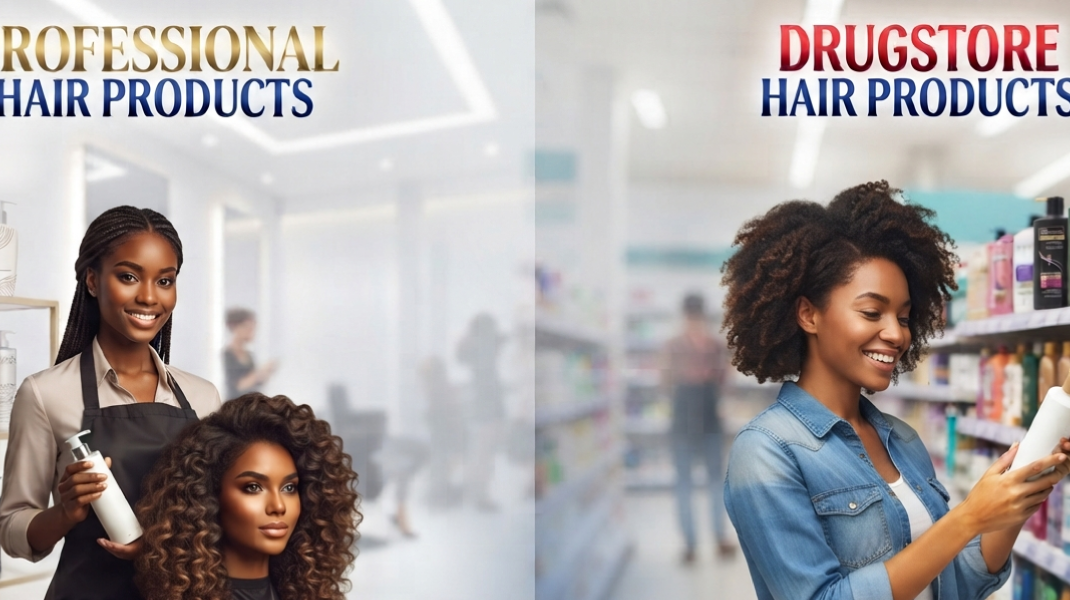
Walk into any grocery store or pharmacy, and you are greeted by an entire aisle of hair care products. The packaging is gorgeous, the scents range from coconut to lavender, and the prices are incredibly tempting—often under $10 a bottle.
But if you visit a high-end salon, your stylist will likely recommend bottles that cost three to four times that amount.
If you are trying to manage your budget while keeping your hair healthy, it is completely natural to wonder: is there really a difference when comparing professional hair products vs drugstore products, or is it all just clever marketing?
As a professional distributor dedicated to helping stylists and salon owners thrive, we at Salon Essentials LLC see the science behind hair care every single day. The truth is, the gap between what you buy at a grocery store and what you buy from a licensed professional isn’t just about the price tag—it comes down to formulation, concentration, and long-term hair health.
This comprehensive guide breaks down the science, the costs, and the real-world results of salon-quality hair care so you can make an informed decision for your hair.
What are Professional Hair Products vs Drugstore Products?
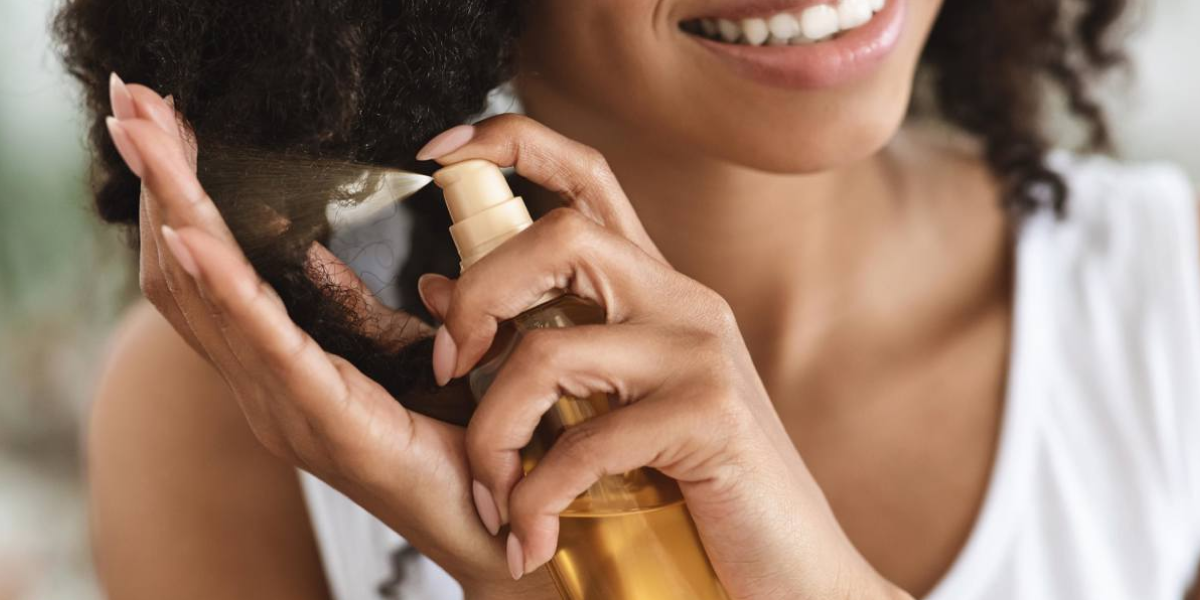
To understand the core differences, we have to look past the branding and dive straight into how these formulations are engineered and sold.
The Reality of Drugstore Hair Products
Drugstore hair products are manufactured for the mass market. Brands that sell in supermarkets or big-box retailers must design products that are “one-size-fits-all.” Because these companies manufacture millions of bottles at a time, their primary goals are a long shelf-life, a universally pleasant scent, and a low production cost.
To achieve this, mass-market brands rely heavily on water, inexpensive chemical fillers, and harsh cleansing agents to create a rich lather that feels like it is working, even if it is stripping your hair behind the scenes.
The Science of Salon-Quality Hair Products
Professional hair care products are engineered by cosmetic scientists to target specific hair types, textures, and chemical concerns. Rather than aiming for a generic crowd, a professional haircare brand formulates distinct solutions for highly specific needs—such as fine, thinning hair, highly textured coils, or chemically compromised strands.
These products contain a significantly higher concentration of active ingredients—like pure proteins, natural oils, and complex amino acids—and far less water.
| ⬩➤ Feature Reading:-
Reverse Gray Hair: Science, Real-World Remedies, and What Actually Works |
Why It Matters: The Hidden Chemistry in Your Shower
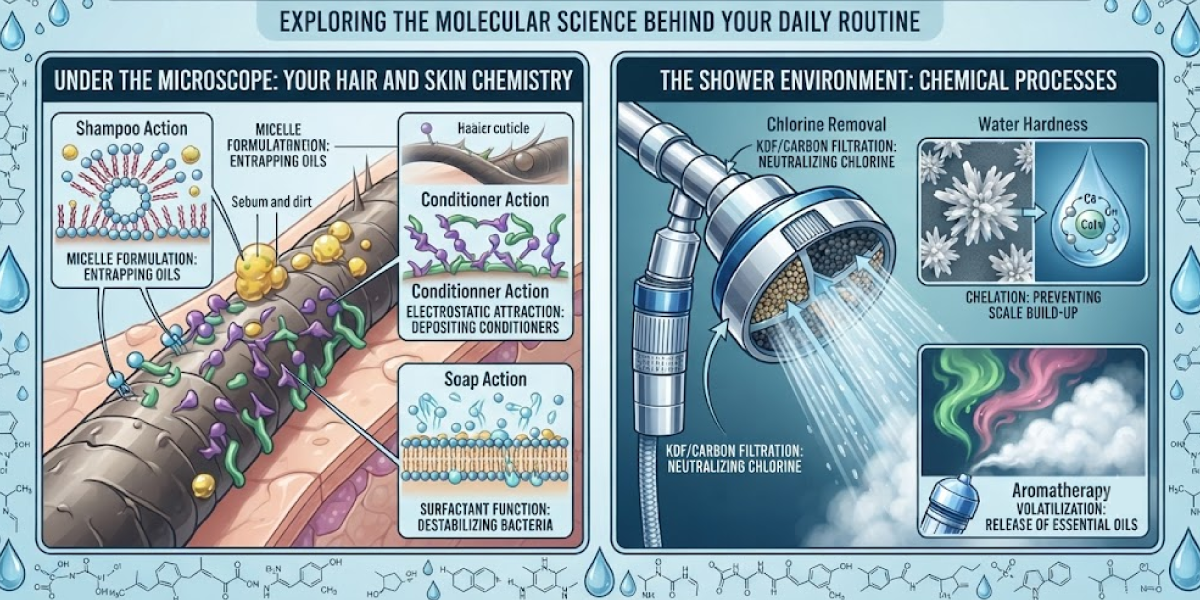
The debate over professional shampoo vs drugstore shampoo isn’t about snobbery; it is about chemical structure and how ingredients interact with your hair cuticle (the outermost layer of the hair strand).
1. Surfactants and Cleansing Agents
The biggest differentiator between a budget shampoo and a salon shampoo is the type of surfactant used to cleanse the hair.
- Drugstore Formulations: Frequently rely on inexpensive sulfates (like Sodium Lauryl Sulfate or Ammonium Lauryl Sulfate). These are powerful detergents—the same kind used in dish soap. While they clean grease incredibly well, they strip away the natural sebum (protective oils) your scalp produces, leaving the cuticle rough, exposed, and prone to frizz.
- Professional Formulations: Use gentle, sulfate-free or micro-cleansing agents. They lift away excess dirt and styling buildup without disrupting the hair’s natural moisture barrier.
2. The Silicone Trap: Salon Conditioner vs Drugstore Conditioner
When you use a budget conditioner, your hair might instantly feel incredibly silky. This is often an illusion created by heavy, non-water-soluble silicones (like Dimethicone).
- The Drugstore Illusion: These cheap silicones coat the hair shaft like a plastic wrap to give a temporary shine. However, they do not rinse away easily. Over time, this buildup blocks moisture and treatments from actually penetrating the hair strand, causing it to become dry, heavy, and brittle from the inside out.
- The Professional Approach: Premium hair care products utilize water-soluble silicones or lightweight, plant-derived oils. They nourish the interior of the hair shaft (the cortex) and rinse away cleanly without building up or weighing down your style.
| ⬩➤ Feature Reading:- |
The Core Benefits of Investing in Premium Hair Care Products
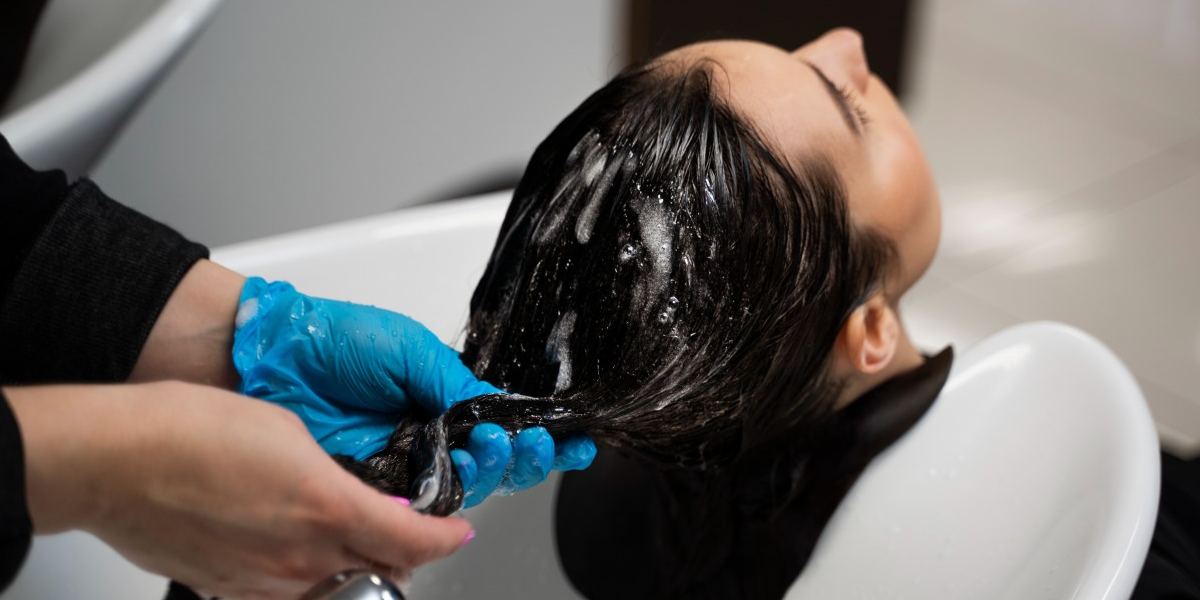
If you are on the fence about upgrading your routine, consider how these formulation choices translate into real-world benefits for your daily life and your wallet.
- You Use Way Less Product: Because professional shampoos and conditioners are highly concentrated, you only need a quarter-sized amount (or less) per wash. A single bottle of salon shampoo can easily outlast three or four bottles of a mass-market alternative.
- Longer-Lasting Hair Color: If you spend money on professional hair color or highlights, using cheap shampoo is like washing a cashmere sweater in industrial bleach. Professional products are pH-balanced to lock in pigment molecules, keeping your color vibrant weeks longer and protecting your financial investment in your hair.
- Better Scalp Health: A healthy scalp equals healthy hair. Mass-market products can leave behind heavy residues or cause irritation due to synthetic fragrances and harsh preservatives, leading to dryness, flaking, or overproduction of oil.
- True Structural Repair: Professional styling products and treatments contain low-molecular-weight proteins that can actually pass through the cuticle to rebuild broken bonds within damaged hair.
| ⬩➤ Feature Reading:- |
Common Mistakes: What to Avoid When Transitioning Your Routine
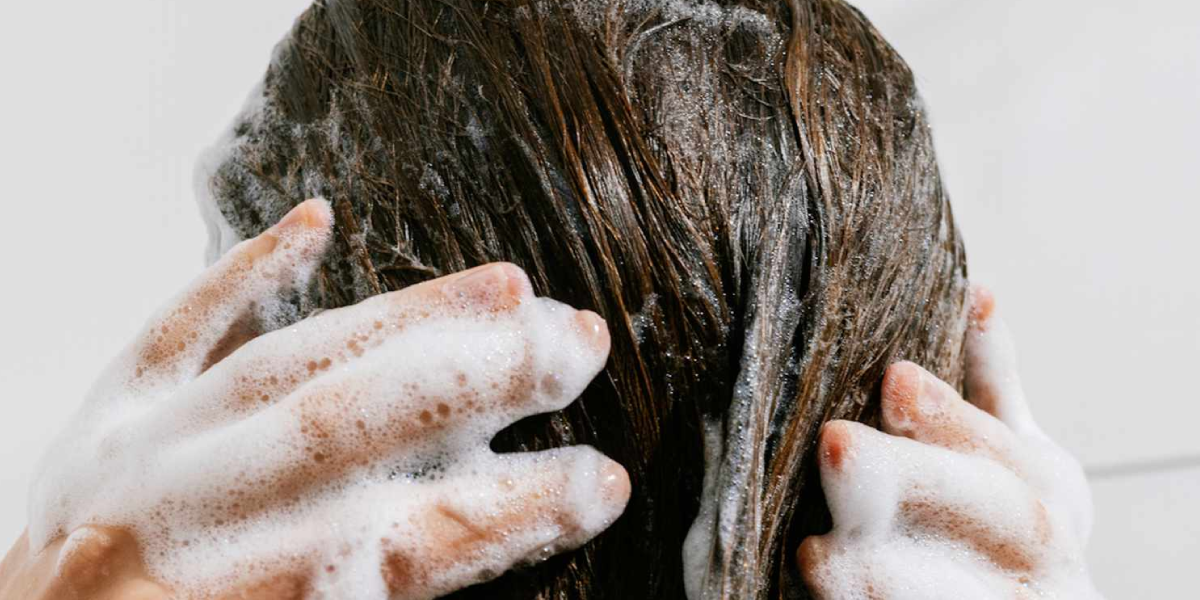
Making the switch to premium hair care products requires a slight shift in how you wash and style your hair. Avoid these common pitfalls to get the most out of your investment:
❌ Using too much product: Do not pour a giant pool of salon shampoo into your palm. Because it is concentrated, using too much makes it difficult to rinse and wastes your money.
❌ Not emulsifying first: Professional shampoo needs water to activate. Rub your hands together vigorously with the product and a splash of water before applying it to your scalp to build a gentle, low-foam lather.
❌ Buying from unauthorized retailers (Diversion): Buying salon brands at a grocery store or unverified online marketplace is a major risk. This is called “diverted” product. It is often expired, counterfeit, or diluted. Always buy directly from a licensed salon or verified distributor.
❌ Washing your hair too frequently: Because professional products clean gently without stripping, your scalp won’t need to produce panic-grease to compensate. You can step away from daily washing and move to 2–3 times a week.
Step-by-Step Process: How to Cleanse Hair Like a Professional
To achieve true salon-quality hair care results at home, implement this professional washing technique:
- Thoroughly Saturate: Wet your hair completely with warm water for at least a full minute. This helps loosen styling products and allows the concentrated shampoo to distribute evenly.
- Emulsify the Shampoo: Take a dime-to-quarter-sized amount of professional shampoo, add water to your hands, and rub them together until it turns white and slightly frothy.
- Focus Entirely on the Scalp: Apply the shampoo strictly to your scalp and roots. Massage firmly with your fingertips (never your nails) to break up oils. Do not scrub the mid-lengths or ends—when you rinse, the suds traveling down will safely clean the rest of your hair.
- Rinse Completely: Spend an extra 30 seconds rinsing to ensure no product is left behind.
- Wring and Dry Before Conditioning: Gently squeeze excess water out of your hair before applying your salon conditioner. If your hair is soaking wet, the conditioner will slide right off instead of absorbing into the strands.
- Apply from Ends Upward: Distribute conditioner from the tips of your hair up to the mid-shaft. Avoid placing conditioner directly on your roots unless you have exceptionally dry scalp conditions. Leave it on for 2–3 minutes before rinsing with cool water to seal the cuticle.
| ⬩➤ Feature Reading:- |
At-a-Glance Comparison: Professional vs Drugstore Hair Care
| Feature | Drugstore Hair Care Products | Professional Salon Hair Products |
| Water Content | High (often up to 80-85% of the bottle) | Low (highly concentrated with active ingredients) |
| Cleansing Agents | Harsh sulfates (SLS / SLES) | Gentle, sulfate-free micro-cleansers |
| Silicones Used | Heavy, non-water-soluble (creates buildup) | Lightweight, water-soluble or plant oils |
| pH Balance | Often unpredictable or highly alkaline | Strictly balanced to match hair and skin (~4.5 – 5.5) |
| Fragrances / Fillers | Synthetic, high concentration (can irritate) | Naturally derived, minimal chemical fillers |
| Cost Per Ounce | Low initial retail cost | Higher retail cost, but lasts 2–3x longer |
| Where to Buy | Supermarkets, pharmacies, big-box stores | Licensed salons and authorized wholesale distributors |
The Verdict on Hair Care Quality
Are professional hair products worth it?
Yes. Professional hair products are worth the investment because they feature higher concentrations of high-grade active ingredients, lower water content, and gentle, sulfate-free cleansers. While they cost more upfront, you use significantly less product per wash, your color lasts longer, and they actively repair the structural integrity of the hair rather than temporarily masking damage with synthetic fillers.
Quick Guide to Choosing Quality Hair Care:
- Look for sulfate-free or sodium chloride-free on labels to protect color.
- Avoid products that list dimethicone or cyclomethicone high up in the ingredient list without water-soluble pairs.
- Buy exclusively from authorized salon professionals to prevent purchasing expired or counterfeit goods.
| ⬩➤ Feature Reading:- |
Frequently Asked Questions (FAQs)
Are professional hair products really better than drugstore products?
Absolutely. Professional products use superior, cosmetic-grade ingredients that are refined to smaller molecular sizes. This allows them to actually penetrate the hair shaft to repair damage from within. Drugstore products typically use cheaper, larger-molecule ingredients that sit on top of the hair, giving a cosmetic illusion of health without providing true structural repair.
Why do salon-quality hair products cost more?
The higher cost reflects the quality and concentration of the ingredients. Drugstore brands use cheap chemical fillers, large volumes of water, and inexpensive harsh soaps to keep prices down. Salon brands invest heavily in research and development, high-purity botanical extracts, complex proteins, and gentle cleansing agents that cost significantly more to manufacture.
Can professional hair products improve damaged hair?
Yes. Damaged hair suffers from broken disulfide bonds and stripped protein structures. Professional styling products and treatments contain specialized proteins, hydrolyzed keratin, and amino acids that fit into those structural gaps to reinforce and rebuild the hair strand over time. Drugstore options lack the concentration of these active ingredients required to make a permanent structural change.
What ingredients make professional hair products different?
Professional lines utilize high-grade, bio-available ingredients. You will find things like hydrolyzed silk proteins, organic argan and avocado oils, gentle plant-derived glucosides for cleansing, and advanced UV protectants. Drugstore brands lean heavily on cheap industrial detergents, synthetic fragrances, and heavy parabens or non-soluble silicones for quick texture fixes.
Are drugstore shampoos bad for your hair?
They are not inherently dangerous, but they can be highly detrimental to specific hair types over time. For individuals with fine, chemically processed, colored, or highly textured hair, the harsh sulfates and heavy wax buildup found in drugstore shampoos can lead to chronic dryness, fading color, breakage, and scalp irritation.
Which professional hair products are best for everyday use?
For daily or regular washing, look for a lightweight, moisture-balancing professional shampoo and conditioner system. Brands that focus on clean, nourishing hydration without heavy proteins are ideal for daily maintenance, as they keep the hair clean and soft without risk of protein overload.
Conclusion: Making the Best Choice for Your Hair Health
When it comes down to evaluating professional hair products vs drugstore products, the old adage proves true: you get what you pay for. While drugstore brands offer an alluring, budget-friendly price tag at the register, they often cost you more in the long run through rapid color fading, hair breakage, and the need to purchase bottles more frequently. By switching to high-quality, salon-approved options, you are investing in highly concentrated formulas that preserve your style, fix structural damage, and keep your hair looking stunning between salon visits.
At Salon Essentials LLC, we believe that every stylist and client deserves access to the absolute best tools for hair health. If you are a professional stylist or salon owner in Louisiana or Southern Mississippi looking to elevate your backbar and retail selections with top-tier products, we are here to support your business with efficient, cost-effective wholesale solutions.