
If you have ever run your fingers through your hair only to feel rough, brittle textures, or noticed a halo of split ends after a fresh blowout, you know how frustrating chemical and environmental stress can be. For clients and stylists alike, managing compromised texture requires more than just a quick wash-and-go. It demands a dedicated, science-backed dry hair routine designed to replenish lost lipids, restore structural integrity, and lock in lasting moisture.
When the hair’s outer cuticle layer becomes raised, torn, or stripped away by heat styling, chemical texturizers, color treatments, or harsh weather, the internal cortex loses its ability to retain hydration. The result is chronic dryness, breakage, and dullness.
This comprehensive guide breaks down the exact steps, professional techniques, and targeted hair repair products needed to transform compromised textures into vibrant, resilient, and deeply hydrated strands.
Understanding the Anatomy of Dry and Damaged Hair
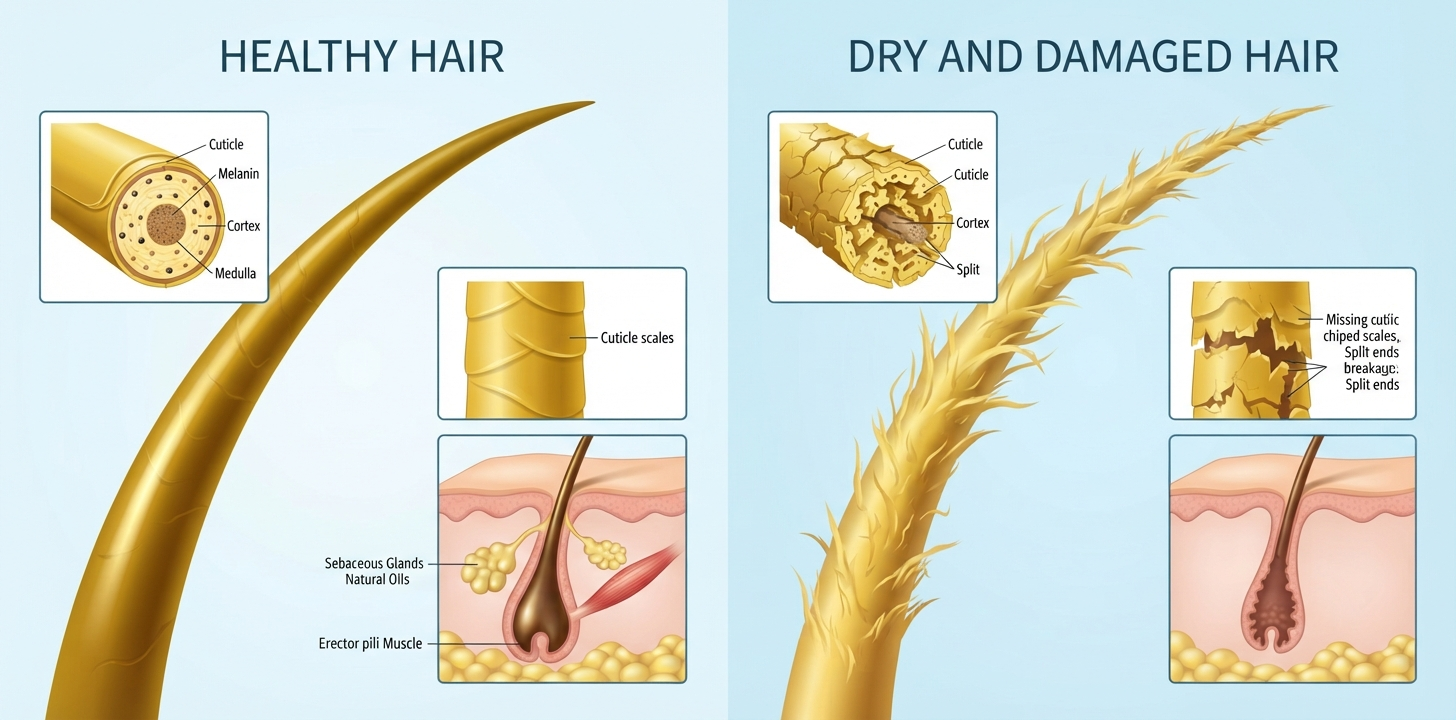
To fix dry hair, we have to understand what went wrong beneath the surface. While people often use “dry” and “damaged” interchangeably, they represent two distinct physiological states of the hair strand.
What is a Dry Hair Routine?
A dry hair routine is a structured regimen focused primarily on moisture replenishment, lipid restoration, and environmental protection. Hair becomes dry when it lacks the natural oils (sebum) necessary to lubricate the exterior cuticle layer. This type of routine relies heavily on emollients, humectants, and fatty alcohols to mimic natural sebum and soften the hair fiber.
What is a Damaged Hair Routine?
A damaged hair routine, by contrast, addresses structural injury to the hair cortex. When hair undergoes chemical processing—such as bleaching, permanent hair coloring, relaxing, or excessive high-heat thermal styling—the internal disulfide bonds and keratin proteins tear apart. A damaged hair routine must incorporate structural repair proteins, amino acids, and bond-building agents alongside traditional moisture to prevent total mechanical failure (breakage).
Why Structural Repair and Moisture Balance Matters
Using only heavy oils on structurally damaged hair is like painting over cracked drywall without fixing the foundation; the hair will remain weak and eventually snap. Conversely, overloading dry hair with pure protein treatments without adequate moisture will make the strands incredibly rigid, leading to brittle breakage.
True hair rehabilitation requires a precise balance of both elements: protein to rebuild the structural scaffolding, and moisture to grant elasticity and flexibility.
The Step-by-Step Professional Dry Hair Routine
Restoring highly compromised hair cannot be achieved with a singular miracle product. It requires a systematic approach where each step prepares the hair fiber for the next.
Follow this professional sequence to maximize product absorption and optimize structural recovery.
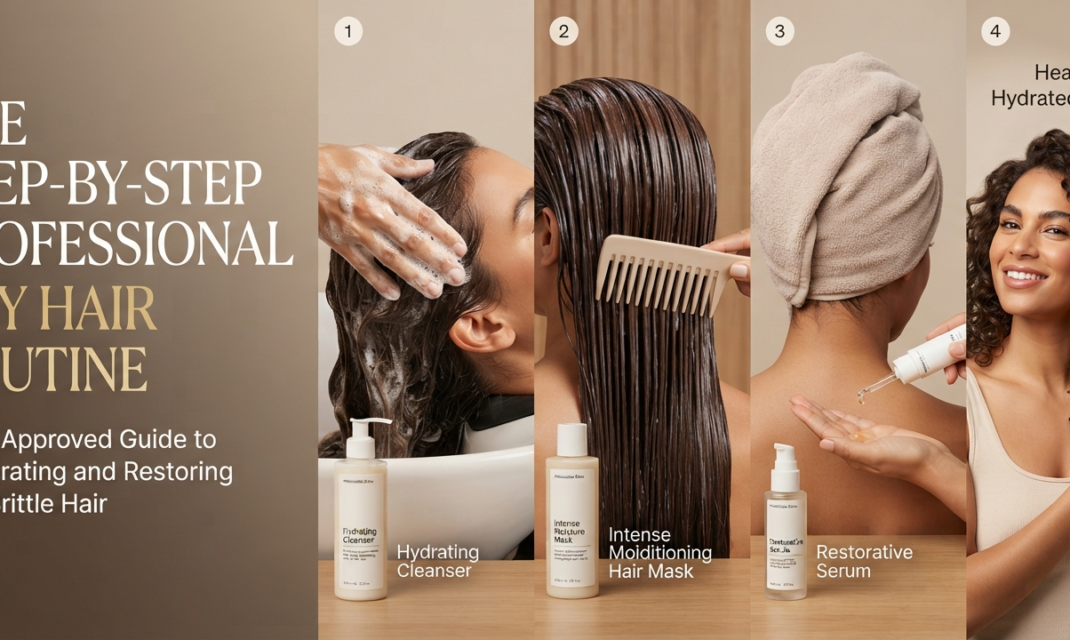
1.Clarify and Cleanse: Begin with a gentle, sulfate-free moisturizing shampoo. If the hair has significant styling buildup or mineral deposits from hard water, use a chelating clarifying shampoo first, followed immediately by a moisture-rich cleanser. Focus the application strictly on the scalp, allowing the gentle suds to cleanse the mid-lengths and ends as you rinse with lukewarm water. Never bunch or scrub the hair aggressively, as wet hair is highly susceptible to mechanical cuticle tearing.
2.Apply a Targeted Treatment or Mask:Gently squeeze out excess water. Apply a high-performance hair mask for damaged hair or a concentrated deep conditioner for dry hair from the mid-shaft down to the tips. Use a wide-tooth comb or your fingers to distribute the product evenly. For maximum penetration into the cortex, cover the hair with a plastic cap and apply mild heat for 15 to 20 minutes. This coaxes the cuticle scales open, allowing amino acids and conditioning agents to bind deep within the strand. Rinse thoroughly with cool water to seal the cuticle flat.
3.Prime and Hydrate: On towel-blotted, damp hair, apply a nutrient-dense leave-in conditioner for dry hair. This acts as a continuous moisture reservoir throughout the day and protects the hair from mechanical friction during styling. Look for formulas containing water-binding humectants like glycerin, alongside lightweight penetrative oils that won’t weigh down the texture.
4.Seal and Protect: To prevent moisture from evaporating into the air (evaporative water loss), apply a microscopic layer of a premium hair oil for dry hair or a specialized split end treatment. This step mimics the hair’s natural lipid barrier. If you plan to blow-dry or thermal style, ensure this step includes an explicit, high-temperature thermal protectant to insulate the delicate keratin structure from direct heat.
Essential Ingredients: What to Look For vs. What to Avoid
Not all hair care products are created equal. When sourcing professional salon inventory or advising clients on home care, analyzing the ingredient deck is critical.
The Repair Blueprint: Ingredients to Look For
- Hydrolyzed Keratin & Wheat Proteins: These microscopic protein fragments patch up physical gaps and tears along the compromised cuticle layer, temporarily reinforcing the hair shaft.
- Ceramides & Lipids: Fatty compounds that act as the structural “glue,” holding the cuticle scales tightly together to seal internal hydration.
- Panthenol (Pro-Vitamin B5): A powerful humectant that penetrates the hair cortex, drawing in moisture and increasing overall strand elasticity.
- Argan, Jojoba, and Marula Oils: Plant-derived lipids rich in essential fatty acids that coat the exterior hair fiber, providing excellent slip and blinding shine without leaving a heavy, sticky residue.
The Warning List: Ingredients to Avoid
- Isopropyl Alcohol & Denatured Alcohol: Often found in cheap styling sprays and aerosol products, these short-chain alcohols evaporate rapidly, stripping away vital internal moisture and leaving the hair incredibly parched.
- Heavy, Non-Soluble Silicones (e.g., Dimethicone in high concentrations): While they offer temporary artificial shine, non-soluble silicones build up quickly on the hair shaft, forming a waterproof barrier that blocks future moisture and treatments from penetrating.
- Harsh Sulfates (Sodium Lauryl Sulfate – SLS): Aggressive surfactants that strip away both styling buildup and the natural sebum oils essential for maintaining cuticle health.
Four Common Mistakes that Sabotage Hair Repair
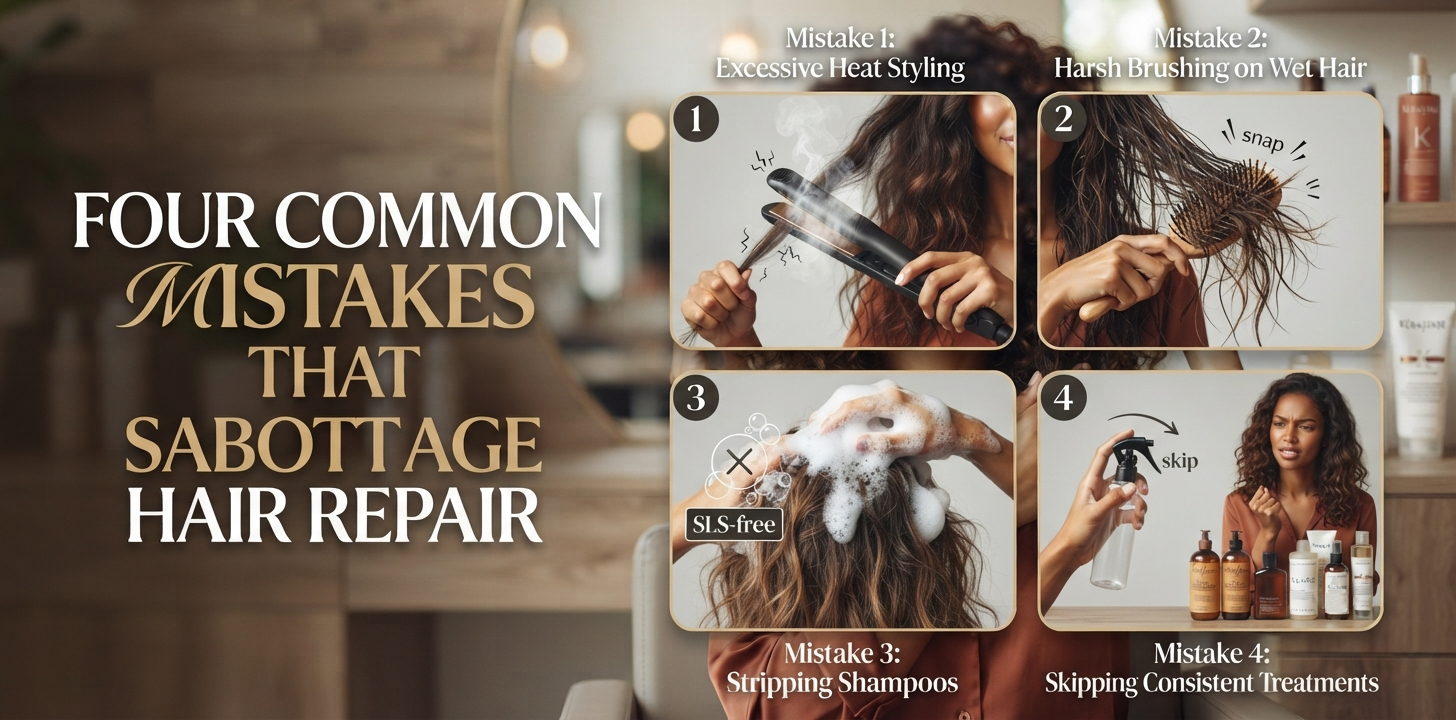
Even the most expensive hair repair products will fail to deliver results if daily habits are causing continuous damage. Avoid these widespread styling pitfalls:
1. Detangling Aggressively from the Roots Down
Ripping a brush from the roots down creates severe tension, snapping compromised fibers that have lost their elasticity. Always detangle starting from the absolute ends, working your way upward in small, manageable sections using a flexible wet brush or wide-tooth comb.
2. Washing with Scalding Hot Water
Hot water expands the hair shaft and aggressively lifts the cuticle scales, allowing internal color molecules and hydration factors to wash right down the drain. Always wash with comfortable, lukewarm water and perform your final rinse with cool water to encourage the cuticle to lay flat.
3. Thermal Styling on Damp or Unprotected Hair
Applying a flat iron or curling iron to damp hair causes the internal moisture to instantly boil, converting to steam inside the cortex. This phenomenon, known in the scientific community as “bubble hair,” permanently destroys the structural fiber. Hair must be 100% dry before touching high-heat plates, and always shielded by a professional thermal protectant.
4. Over-Proteinization
Using intense bond-builders or heavy protein masks every single day without balancing them with moisture will cause protein overload. The hair loses its natural bend and flexibility, becoming stiff, straw-like, and highly prone to snapping under minimal tension.
Professional vs. Retail: Selecting the Best Products for Dry Hair
For salon owners and professional stylists across Louisiana and Southern Mississippi, providing clients with verified, high-performance retail options is a cornerstone of business success. Relying on drugstore-grade formulations often prolongs hair issues due to low active ingredient concentrations and filler-heavy formulas.
| Product Category | Professional-Grade Attributes (e.g., Design Essentials) | Drugstore Retail Formulations |
| Moisturizing Shampoo | Concentration of gentle, botanically derived surfactants; color-safe; concentrated formulas mean less product is required per wash. | High water content; utilizes aggressive sulfates; relies heavily on heavy silicones to mimic softness. |
| Moisturizing Conditioner | Rich in low-molecular-weight plant oils and amino acids that genuinely penetrate the hair cortex. | Coats only the very exterior of the hair with synthetic waxes; provides temporary slip but no real internal repair. |
| Damaged Hair Treatment | Balanced ratios of targeted proteins, ceramides, and humectants engineered for specific texture profiles. | Generic, one-size-fits-all formulas that easily cause protein overload or severe product buildup. |
Quick Reference for Dry Hair Repair
How to Fix Dry and Damaged Hair Quickly
The most effective way to rehabilitate dry, broken hair is to establish a balanced damaged hair routine that combines structural protein repair with intense lipid hydration.
Core Action Steps:
- Cleanse: Use a sulfate-free, moisture-rich shampoo no more than 2-3 times per week.
- Treat: Apply a professional deep conditioning mask under mild heat once per week.
- Protect: Never omit a leave-in conditioner and a high-grade thermal protectant before styling.
- Seal: Apply a premium hair oil to damp or dry ends daily to prevent split ends from traveling up the shaft.
Frequently Asked Questions
What is the best hair care routine for dry and damaged hair?
The best routine centers on a consistent, four-stage framework: a gentle sulfate-free wash, a weekly deep-penetrating reconstruction mask, an everyday moisturizing leave-in primer, and a protective lipid sealant (oil or serum). This multi-layered approach ensures both structural repair and optimal moisture retention.
How often should I deep condition damaged hair?
For moderately dry or damaged hair, deep conditioning once a week is ideal. If the hair has sustained severe chemical trauma from bleaching or excessive relaxing treatments, increase this to twice a week until the hair’s elasticity and texture begin to normalize.
Which ingredients help repair dry hair?
Look for deep humectants like glycerin and panthenol to attract water, combined with natural biomimetic lipids like jojoba oil, argan oil, and shea butter to seal that water in. Structural repair requires hydrolyzed proteins (keratin, silk, or wheat) and ceramides to patch the damaged cuticle matrix.
Can damaged hair become healthy again?
Because hair is biologically dead tissue, it cannot technically “heal” or regenerate its cells like skin does. However, by using advanced professional hair repair products, you can artificially reconstruct the broken internal bonds, fill structural gaps in the cuticle, and restore its tensile strength, flexibility, and visual health.
What products should I avoid if my hair is damaged?
Steer clear of clarifying shampoos containing harsh sulfates (like Ammonium Lauryl Sulfate), styling products with high volumes of drying alcohols (such as isopropyl alcohol), and heavy, non-water-soluble silicones that accumulate over time and cause chronic dehydration.
How long does it take to repair damaged hair?
While you will notice immediate surface smoothness and improved manageability after your first professional deep conditioning and bond-building treatment, permanent structural improvement takes time. With a dedicated routine, you will see a significant turn-around in elasticity, strength, and shine within 4 to 6 weeks.
Cultivating Long-Term Hair Health
Reclaiming the vibrant health, bounce, and shine of your hair is a journey that requires patience, consistency, and the right product selections. By replacing aggressive styling habits with a structured, professional-grade regimen, you can stop breakage in its tracks and safeguard your strands against future environmental and chemical stressors. Remember, healthy hair starts with the right foundation. If you are a professional stylist operating in Louisiana or Southern Mississippi, providing your clients with top-tier product solutions is paramount to their satisfaction and the integrity of their styles. Partner with a trusted distributor to ensure your backbar and retail shelves are continuously stocked with premium, industry-respected formulations.
Are you ready to elevate your salon’s service menu and retail offerings with elite moisture and repair systems? Contact Salon Essentials LLC today to explore our exclusive distribution catalog of Design Essentials products, specifically curated to empower professional stylists across Louisiana and Southern Mississippi.