
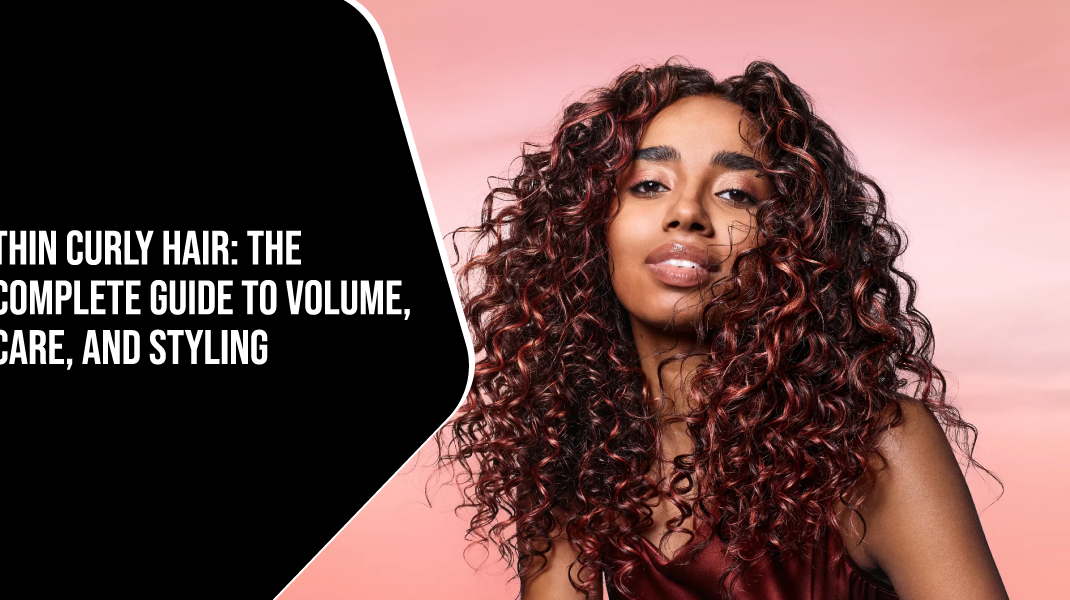
Managing thin curly hair often feels like a delicate balancing act. On one hand, curly and wavy hair textures need adequate hydration to maintain bounce and definition. On the other hand, heavy butter-based creams and thick leave-ins can easily weigh down low-density strands, leaving your scalp visible and your curls looking limp, flat, or greasy.
If you struggle with fine diameter or low density alongside texture, you are not alone. Knowing how to care for thin curly hair requires adjusting your hair care strategy—focusing on weightless moisture, targeted root lift, and precise cutting techniques. In this ultimate guide, the beauty experts at Salon Essentials reveal how to maximize volume, establish a lightweight routine, choose the best hairstyles, and protect your curl pattern.
Quick Guide to Thin Curly Hair Care
What is thin curly hair?
Thin curly hair refers to hair that has a natural curl or wave pattern combined with low strand density (fewer follicles per square inch on the scalp) or fine strand width (small individual hair shaft diameter).
Five Quick Rules for Instant Volume
- Apply products on soaking wet hair using micro-clumping: Use lightweight mousses or foams instead of heavy, butter-rich cream formulations.
- Diffuse upside down: Use medium heat and low speed to set root volume immediately after washing.
- Incorporate clarifying washes: Use a gentle chelating shampoo once a week to remove build-up that drags fine coils down.
- Choose a layered haircut: Opt for a good curly haircut with strategic interior layers to encourage weightless spring.
- Clip your roots while drying: Place duckbill clips at the crown to lift roots away from the scalp as hair sets.
| Hair Parameter | Fine Hair Density | Low Hair Density | Thin Curly Hair Combo |
| Definition | Small diameter of individual strands | Fewer total hair follicles across scalp | Fine strands + sparse density + curl pattern |
| Main Challenge | Breaks easily, weighs down fast | Scalp showing, lack of overall volume | Flat roots, stringy ends, product build-up |
| Primary Goal | Reinforce cuticle strength | Create optical fullness at roots | Build weightless volume & define ringlets |
What Causes Thin Curly Hair?
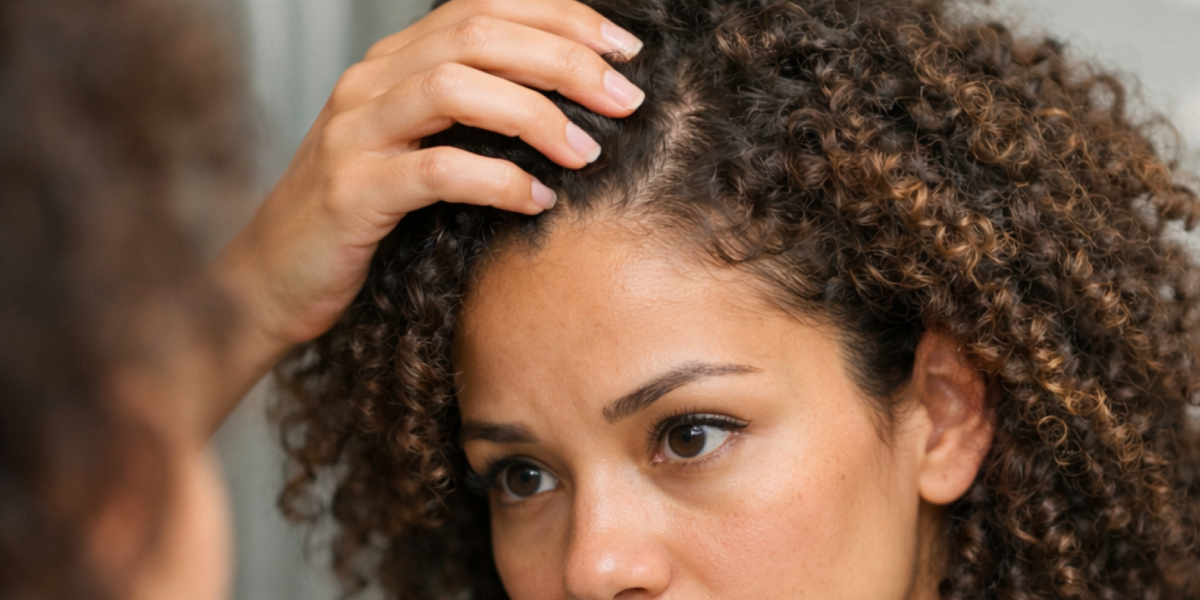
Understanding the root cause of your hair texture is the first step toward choosing effective care routines and avoiding damaging practices.
| Influencing Factor | Key Triggers & Mechanisms | Impact on Curly Strands |
| Genetic Baseline | Naturally fine shaft diameter, sparse follicle count, oval follicle structure | Hair grows thin naturally; easily weighed down by standard oils |
| Hormonal & Life Changes | Postpartum shedding, thyroid fluctuations, menopausal thinning | Temporary or permanent loss of density; altered curl pattern |
| External Stressors | Heat damage, chemical bleach, excessive product build-up | Fragile cuticle walls leading to breakage and limp curls |
1. Genetics and Follicle Shape
The curvature of a hair strand is determined by the shape of the hair follicle embedded in the scalp. Oval-shaped follicles produce wavy curly hair, while rounder follicles produce straight hair. Strand width and follicle density are inherited traits; some individuals naturally possess delicate, fine strands combined with lower overall hair density.
2. Scalp Health and Buildup
Because curly hair bends and twists, natural sebum produced by the scalp struggles to travel down the hair shaft. This can lead to dual issues: oil remaining at the roots (weighing hair down) while the ends remain dry. Furthermore, using heavy butter-based products can clog follicles and weigh down thin roots.
3. Hormonal and Environmental Factors
Stress, dietary changes, and hormonal shifts can cause telogen effluvium (temporary shedding). When individuals seek a cure for thinning hair, addressing internal wellness, scalp circulation, and environmental protection plays a major role.
| Further reading
▶ How to Use Leave-In Conditioner |
Why Thin Curly Hair Needs a Specialized Approach
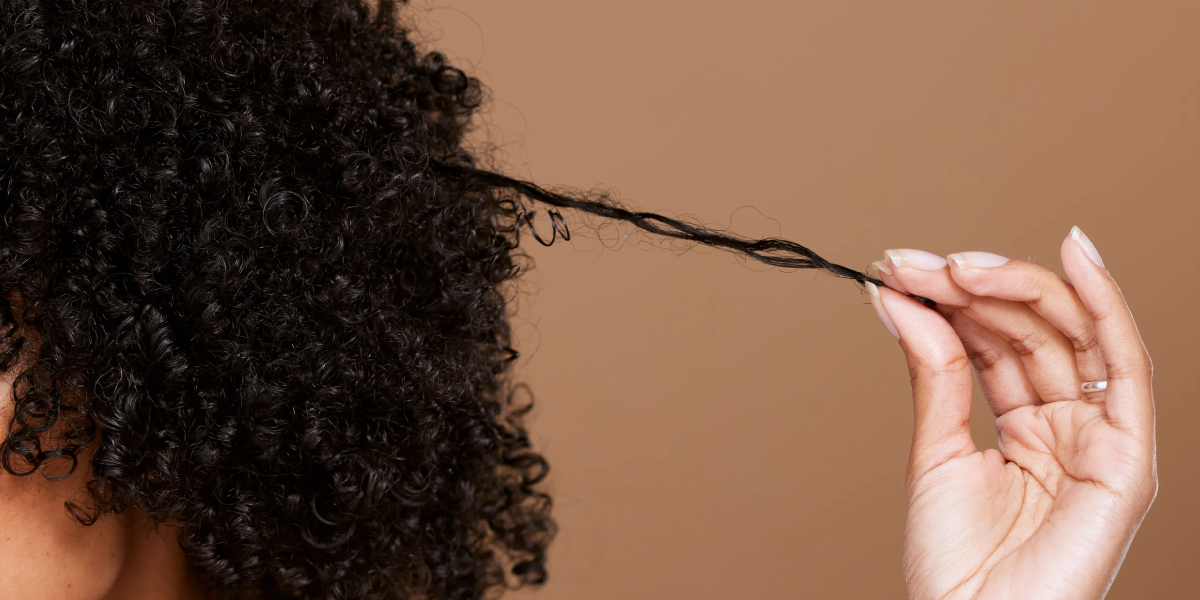
Standard curly hair routines often recommend heavy leave-in conditioners, thick raw shea butter, and dense styling gels. While these work well for thick, coarse 4C coils, they are counterproductive for fine or low-density strands.
The Benefits of a Tailored Routine
- Maximum Root Lift: Removing heavy ingredients allows strands to spring up naturally.
- Defined Ringlets Without Flattops: Proper application techniques eliminate the “triangle hair” shape.
- Reduced Scalp Exposure: Strategic styling and volumizing products create the illusion of density.
- Extended Style Longevity: Lightweight hold prevents curls from dropping by mid-day.
| Further reading
|
Step-by-Step Wavy and Curly Hair Routine for Volume
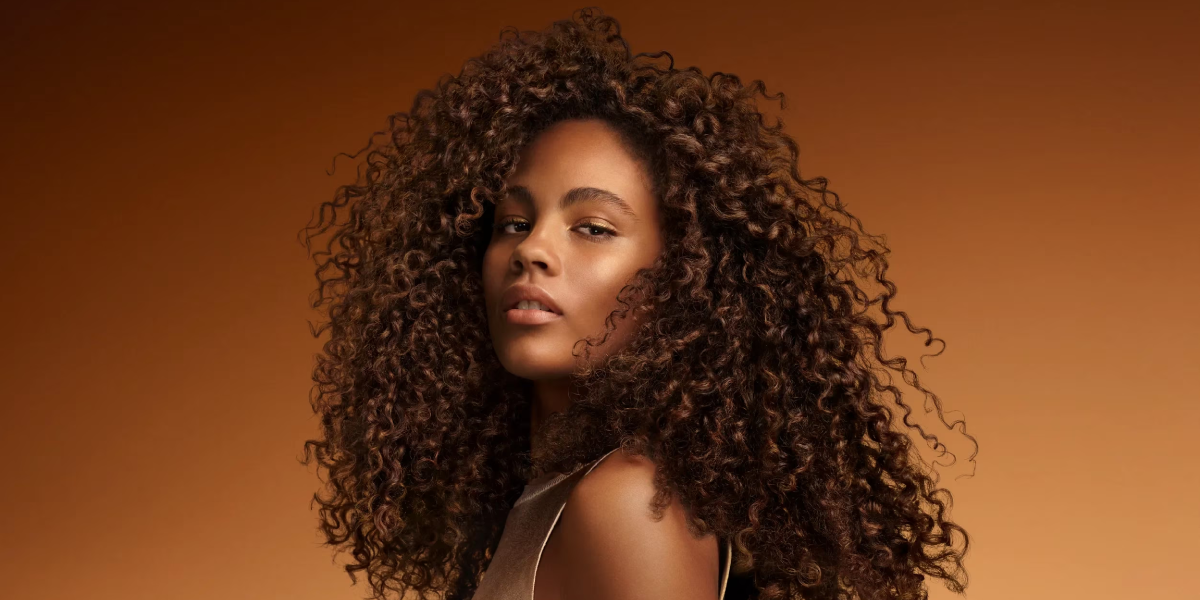
To achieve bouncy curls without sacrificing hydration, follow this weightless wavy hair routine designed specifically for fine strands and low-density patterns.
| Routine Phase | Primary Action | Target Area | Key Product / Tool |
| Step 1: Cleanse | Clarify & remove residue | Scalp & Roots | Volumizing / Sulfate-Free Shampoo |
| Step 2: Condition | Lightweight hydration & detangle | Mid-lengths to Ends | Protein-enriched Light Conditioner |
| Step 3: Style | Enhance definition without weight | Wet Hair Shafts | Volumizing Mousse or Curl Foam |
| Step 4: Dry & Lift | Set curl memory & maximize root bounce | Entire Head | Diffuser on Medium Heat / Root Clips |
Step 1: Cleanse with a Volumizing Shampoo
Cleanse your scalp thoroughly with a sulfate-free volumizing shampoo or a mild chelating cleanser. Focus the lather on your scalp to dissolve oil and product residue, allowing suds to gently run down the length of your hair during rinsing.
Step 2: Weightless Conditioning and Detangling
Apply a lightweight, protein-enriched conditioner from mid-lengths to ends. Detangle gently using your fingers or a wide-tooth comb while the conditioner provides slip. Rinse out completely—leaving excess heavy conditioner on thin strands degrades volume.
Step 3: Apply Styling Products on Wet Hair
While hair is still wet, apply a volumizing mousse or a lightweight curl foam using praying hands, then scrunch upward toward the scalp. Avoid heavy cream stylers near the roots.
Step 4: Diffuse for Maximum Bounce
Tilt your head forward or to the side and place sections of hair into the bowl of a diffuser. Push up toward the scalp and dry on medium heat with low airflow. Diffusing sets the curl memory quickly before gravity can pull thin strands flat.
| Further reading
▶ Can You Use Body Wash as Shampoo? |
Best Hairstyles and Cuts for Thin Curly Hair
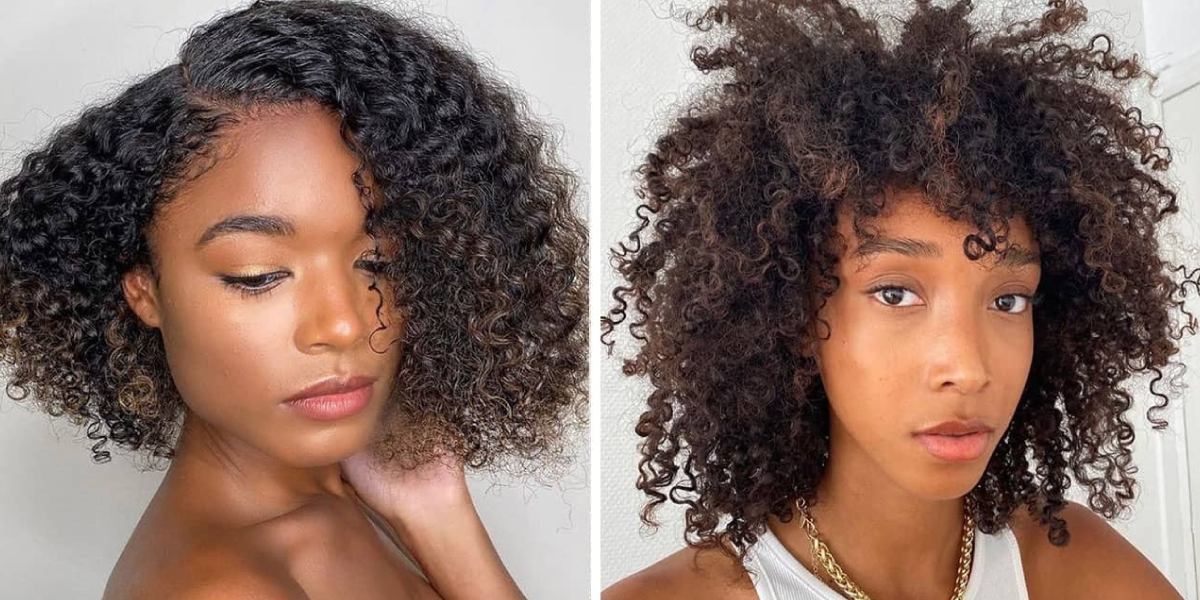
A proper cut is the foundation of full-looking curls. Without structural shape, fine ringlets fall flat against the head.
1. Short Curly Haircuts for Women
Opting for short curly haircuts for women removes excess weight that pulls down the crown. Shorter lengths allow fine waves and curls to spring up to their full potential.
| Hairstyle / Cut | Best For | Volume Potential | Maintenance Level |
| Curly Bob with Layers | Fine, low-density ringlets | High | Medium (Trims every 6–8 weeks) |
| Pixie Cut with Curl Top | Extremely fine or thinning hair | Very High | High (Trims every 4–6 weeks) |
| Shag Cut with Bangs | Wavy hair & medium density | High | Low to Medium |
| Long Layers with Root Debulking | Long wavy curly hair | Medium | Low |
2. Choosing the Best Hairstyles for Curly Hair
When consulting with your stylist, ask for interior layering rather than blunt ends. Blunt cuts make thin hair look sparse at the bottom, whereas soft, face-framing layers redistribute fullness throughout the head to create the appearance of dense hair.
Common Mistakes to Avoid with Thin Curly Hair
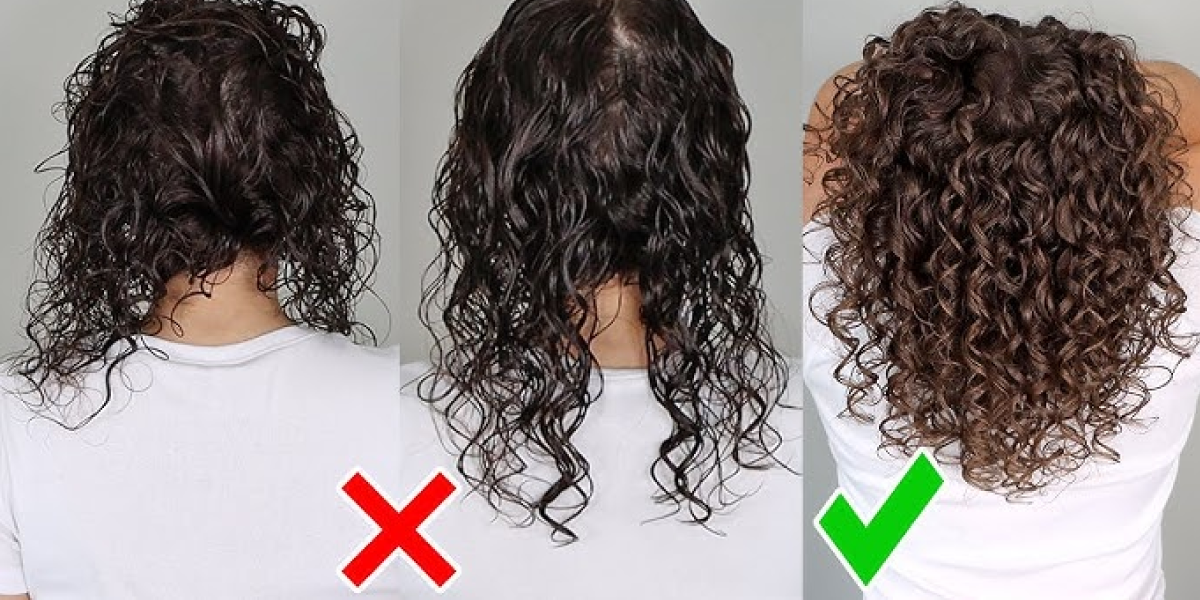
Even with high-quality products, improper techniques can undermine your results. Watch out for these common errors:
- Over-Applying Heavy Oils: Applying thick coconut, castor, or heavy shea oil seals in moisture but weighs down fine strands, making them look stringy.
- Relying Solely on Co-Washing: Washing exclusively with conditioner (co-washing) leads to rapid product build-up on fine hair, suffocating the scalp and flattening curls.
- Raking Products Through Dry Hair: Raking disrupts natural curl clumps. Always apply stylers to wet hair and scrunch gently.
- Sleeping on Damp Curls: Damp strands flatten against your pillow overnight, ruining root volume and creating friction damage.
| Further reading
|
Best Practices and Expert Tips for Maximum Fullness
- Incorporate Protein-Moisture Balance: Fine hair benefits significantly from hydrolysed wheat or rice protein treatments, which temporarily strengthen the hair shaft and boost elasticity.
- Use Root Clips: Place small metal duckbill clips vertically at the roots of your crown while hair dries to keep strands lifted away from the scalp.
- Fluff with a Hair Pick: Once hair is 100% dry, gently insert a wooden or plastic hair pick under the root section and lift upward without disturbing the defined mid-lengths.
- Switch to Silk or Satin: Protect delicate ringlets overnight with a silk pillowcase or bonnet to prevent breakage and maintain curl formation for second-day hair.
| Further reading
▶ Hyaluronic Acid for Hair: The Ultimate Guide to Hydration and Healthy Shine |
Frequently Asked Questions
Why is my curly hair thin?
Thin curly hair can result from a combination of natural genetic factors (low strand density or fine shaft diameter), hormonal shifts, nutritional imbalances, or mechanical damage from harsh styling. Additionally, using heavy products can cause buildup that flattens curls, making hair appear thinner than it actually is.
How often should I wash thin curly hair?
Most people with thin curly hair benefit from washing 2 to 3 times per week. Because fine strands tend to show oil and product build-up faster than coarse hair, regular cleansing with a lightweight, sulfate-free shampoo maintains scalp health and root volume.
What are the best products for thin curly hair?
The best products include volumizing mousses, weightless curl foams, protein-enriched leave-in sprays, and light botanical gels. Look for ingredients like hydrolysed rice protein, aloe vera, and polymer-based volume boosters while avoiding heavy plant butters and petroleum.
How can I make thin curly hair look fuller?
To create the appearance of fuller hair, dry your hair upside down with a diffuser, apply styling products exclusively to wet hair using scrunched motions, request a layered cut from your stylist, and use root-lifting clips while drying.
Which ingredients should I avoid if I have thin curly hair?
Avoid heavy, occlusive ingredients near the roots, such as raw shea butter, mineral oil, petrolatum, heavy silicone blends, and thick castor oil. These coat fine strands, attracting dust and weighing down natural bounce.
Building Your Ideal Thin Curly Hair Care Plan
Mastering thin curly hair requires understanding that less is often more. By replacing heavy butter creams with lightweight volumizing foams, adopting a proper wavy hair routine, and choosing strategic short haircuts for curly hair, you can achieve bouncy, healthy ringlets with long-lasting root volume.
At Salon Essentials LLC, we empower your beauty journey with expert guidance and carefully formulated products tailored to your hair’s unique density and texture. Explore our full collection of lightweight hair care essentials today to unlock your hair’s maximum potential.