
Every professional stylist knows that maintaining client hair health requires a delicate balance between effective moisture delivery and weightless protection. Heavy oils can build up, clog follicles, and weigh down finer textures, while lighter treatments often lack the antioxidant punch needed to shield hair from daily thermal styling and environmental stressors.
If you are struggling with client hair that feels brittle, lacks shine, or succumbs easily to heat damage, grapeseed oil for hair may be the versatile solution your station is missing. Extracted from the seeds of wine grapes (Vitis vinifera), this lightweight, nutrient-dense botanical oil offers high levels of linoleic acid and vitamin E. In this guide, we break down everything you need to know about grape seed for hair—from its biochemical profile and moisture-locking mechanisms to step-by-step salon application methods and comparisons with other popular botanical oils.
| Quick Answer
What is grapeseed oil for hair? Grapeseed oil is a lightweight, non-comedogenic botanical oil cold-pressed from grape seeds (Vitis vinifera). High in linoleic acid (an omega-6 fatty acid), vitamin E, and oligomeric proanthocyanidins (OPCs), grapeseed oil and hair treatments work together to lock in moisture, seal split ends, smooth the cuticle, and shield strands from environmental stressors without weighing hair down. |
What Is Grapeseed Oil and Why Does It Matter for Hair?
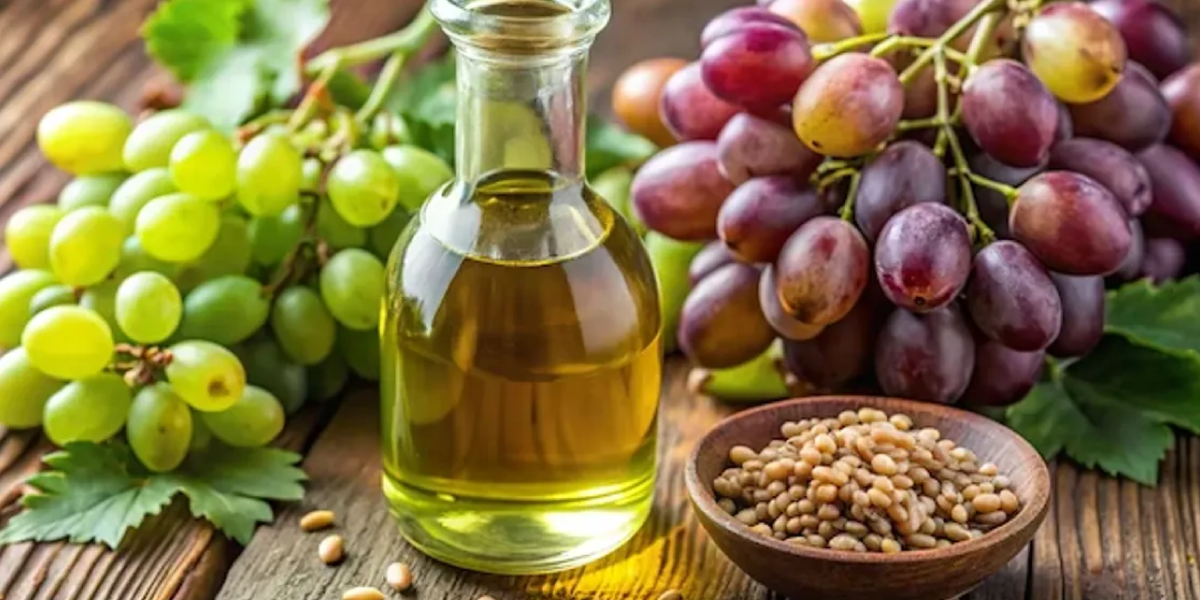
Grapeseed oil is a byproduct of the winemaking process. After grapes are pressed, the seeds remain, containing an oil rich in essential fatty acids and antioxidants.
Unlike heavier plant oils that sit thickly on the hair shaft, grape oil hair treatments possess a distinct molecular structure characterized by a high concentration of polyunsaturated fatty acids. This allows the oil to spread evenly across the cuticle, forming a protective moisture barrier without leaving a greasy residue.
| Nutrient Component | Percentage / Concentration | Primary Benefit for Hair & Scalp |
| Linoleic Acid (Omega-6) | ~68%–74% | Restores lipid barrier, seals cuticles, prevents water loss |
| Oleic Acid (Omega-9) | ~14%–17% | Softens hair shaft and aids mild nutrient absorption |
| Palmitic Acid | ~7%–10% | Provides lightweight protective conditioning coating |
| Stearic Acid | ~3%–5% | Strengthens strand resilience against environmental stress |
| Vitamin E (Tocopherols) | ~18–28 mg/100g | Neutralizes free radicals from UV exposure and heat styling |
| Polyphenols & OPCs | High Antioxidant Content | Protects scalp tissue from oxidative stress and inflammation |
Key Bioactive Ingredients
- Linoleic Acid (Omega-6): Essential fatty acids that the human body cannot produce naturally. Linoleic acid maintains scalp membrane structural integrity, prevents transepidermal water loss, and smooths rough cuticles.
- Vitamin E: A potent lipid-soluble antioxidant that neutralizes free radicals caused by UV exposure, chemical treatments, and heat styling, helping to preserve color integrity and tensile strength.
- Oligomeric Proanthocyanidins (OPCs): Powerful flavonoids that combat oxidative stress on the scalp and support healthy follicle function.
| Further reading
|
The Key Benefits of Grapeseed Oil For Hair
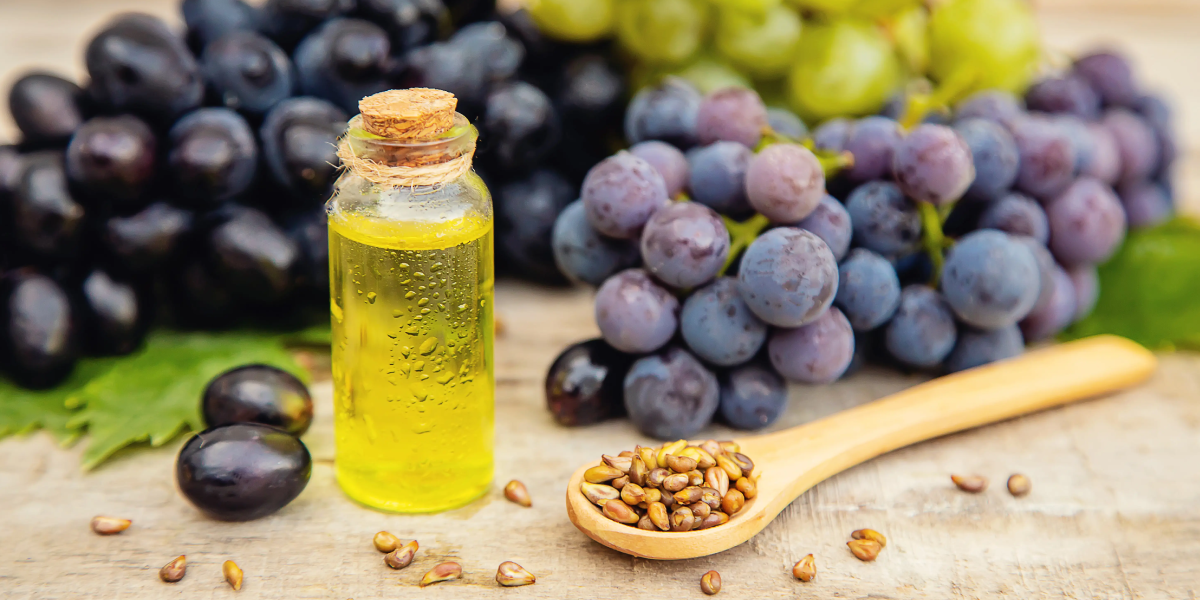
Integrating grapeseed oil for the hair into your professional treatments or daily home care routine delivers targeted structural and scalp benefits.
| Benefit Area | Target Hair Issue | How Grapeseed Oil Works |
| Moisture & Cuticle Sealing | Dryness, high porosity, split ends | Forms a weightless occlusive seal over damp hair to trap moisture. |
| Heat & UV Protection | Fading, brittle ends, thermal damage | High smoke point (~420°F) acts as a natural buffer during blowouts. |
| Scalp Health & Dandruff | Dry scalp, itchiness, clogged pores | Non-comedogenic formula (Rating 1) balances natural sebum. |
| Frizz Control & Shine | Static, humidity damage, dullness | Smooths raised cuticle layers to reflect light and block humidity. |
1. Weightless Moisture Sealing
Because grapeseed oil has a high proportion of linoleic acid compared to oleic acid, it feels noticeably lighter than olive or castor oil. It acts as an effective occlusive agent—meaning it locks water molecules into the hair shaft when applied after a water-based leave-in conditioner—without deflating natural volume or leaving a coated residue.
2. Natural Heat and UV Protection
Grapeseed oil has a relatively high smoke point (approximately 420°F / 215°C). While it should not fully replace specialized professional thermal protectants during heavy flat-ironing, applying a few drops before blow-drying provides a natural thermal buffer. Additionally, its rich antioxidant profile absorbs UV-induced free radicals, mitigating sun damage and color fading.
3. Scalp Health and Seborrheic Control
A healthy scalp environment is necessary for healthy hair growth. Grapeseed oil is non-comedogenic (rating of 1 on the comedogenic scale), meaning it will not clog scalp pores or hair follicles. Its mild natural anti-inflammatory and antimicrobial properties help soothe flaking, reduce itchiness, and balance excessive sebum production on oily scalps.
4. Frizz Reduction and Cuticle Smoothing
When hair cuticles are raised due to humidity, damage, or chemical processing, moisture escapes and ambient humidity causes frizz. Grape seed for hair smooths the outer cuticle layer, enhancing light reflectiveness (shine) and minimizing environmental humidity absorption.
| Further reading
▶ Can You Use Body Wash as Shampoo? |
Grapeseed Oil vs. Other Popular Hair Oils
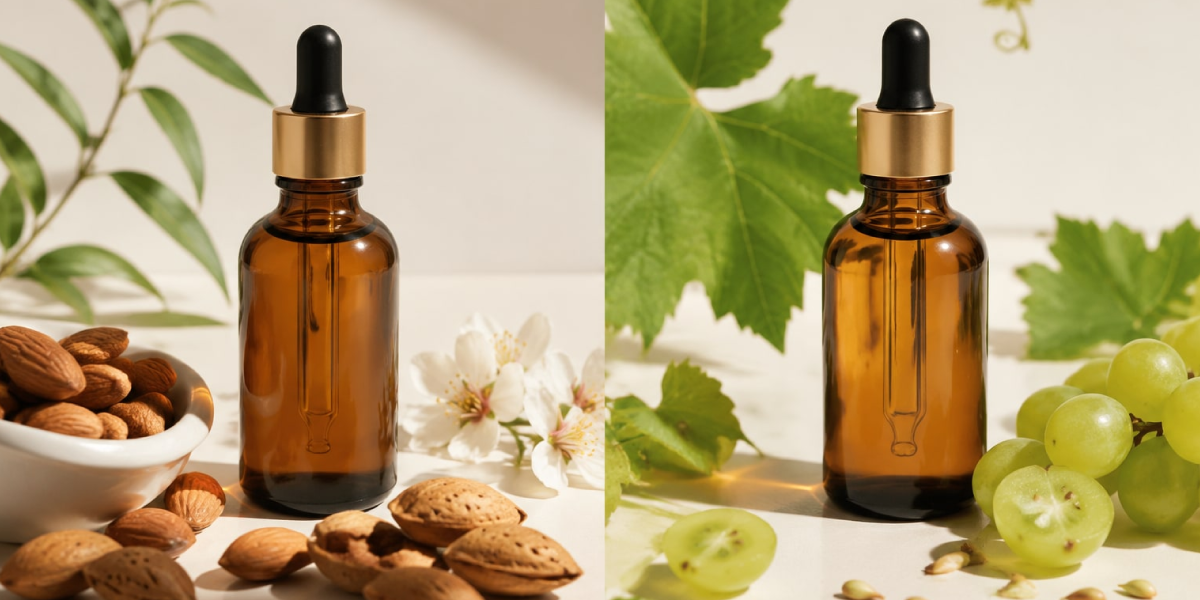
Not all plant oils interact with the hair shaft in the same way. Oils generally fall into two categories: penetrating oils (which enter the cortex) and sealing oils (which coat the cuticle surface). Grapeseed oil functions primarily as a lightweight sealer with minor surface-cortex penetration.
| Feature / Attribute | Grapeseed Oil | Coconut Oil | Argan Oil | Jojoba Oil |
| Primary Function | Lightweight Sealer | Deep Penetration | Conditioning Sealer | Scalp Sebum Mimic |
| Key Nutrient | Linoleic Acid & Vit E | Lauric Acid | Fatty Acids & Vit E | Liquid Wax Esters |
| Weight / Feel | Very Light | Heavy | Medium-Light | Medium |
| Comedogenic Rating | 1 (Very Low) | 4 (High) | 0 (Non-comedogenic) | 2 (Low) |
| Best Hair Type | Fine, Medium, High Porosity | Coarse, Low Porosity | Medium to Coarse | All Scalp Types |
| Smoke Point | ~420°F (216°C) | ~350°F (177°C) | ~420°F (216°C) | ~400°F (204°C) |
How to Use Grapeseed Oil For Hair: Step-by-Step Application Guide
To achieve optimal results with grapeseed oil and hair treatments, follow this structured application method:
| Step Number | Phase | Action & Technique |
| Step 1 | Assessment | Evaluate hair porosity. Fine or low-porosity hair needs 1–2 drops; high-porosity or dry hair requires 3–5 drops. |
| Step 2 | Hydration Base | Dampen hair or apply a water-based leave-in conditioner first. Oil seals in moisture; it does not add water. |
| Step 3 | Dosing & Warming | Dispense 2–4 drops into your palms. Rub hands together to warm the oil evenly across your hands. |
| Step 4 | Application | Smooth oil through mid-lengths to ends first using a wide-tooth comb or fingers to distribute evenly. |
| Step 5 | Scalp Massage & Finish | Use remaining light oil residue on fingertips to massage scalp gently for 3–5 minutes. Air-dry or blow-dry as desired. |
Popular Salon Application Methods
Method A: The LOC / LCO Method (Liquid, Oil, Cream)
In the LOC or LCO method for textured and high-porosity hair, grapeseed oil serves as the O (Oil) layer.
- Apply leave-in conditioner (Liquid).
- Smooth 3–5 drops of grapeseed oil across sections to trap water molecules.
- Layer a rich cream or butter over top to lock the seal.
Method B: Pre-Shampoo Scalp Treatment (Pre-Poo)
For clients with delicate or easily tangled hair prone to hygral fatigue (damage caused by repeated swelling and contracting of hair when wet):
- Apply warm grapeseed oil directly to dry hair and scalp 20 minutes before washing.
- Gently detangle using a wide-tooth comb.
- Shampoo with a gentle sulfate-free cleanser like those available in the Design Essentials line. The pre-poo oil coating prevents harsh cleansing agents from stripping essential natural lipids.
Method C: Thermal Finishing Serum
After blowout or hot-tool styling:
- Emulsify 1–2 drops of grapeseed oil between palms.
- Lightly pass hands over the surface of finished styles to tame flyaways, eliminate static, and add gloss without deflating structure.
Common Mistakes to Avoid
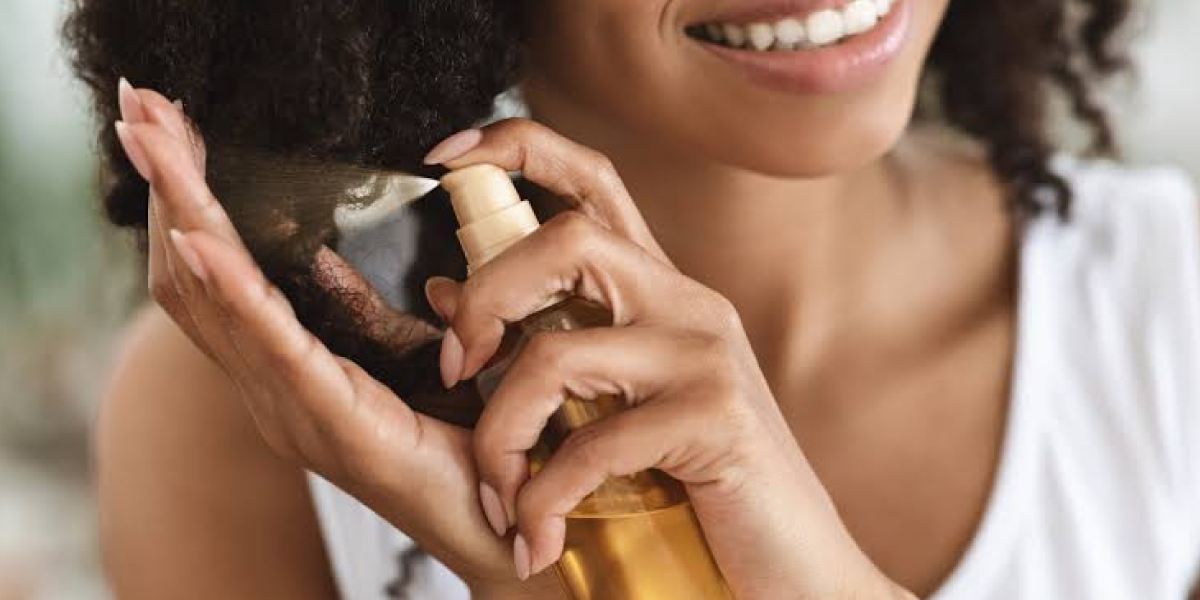
Even a beneficial ingredient like grapeseed oil for hair can yield poor results if used incorrectly.
| Mistake | Consequence | Professional Fix |
| Applying to Dry Hair | Locks out external ambient moisture, causing stiffness | Always apply over damp hair or water-based leave-in spray |
| Over-Application | Can cause slight limpness on fine hair textures | Limit dosage to 1–2 drops maximum for fine strands |
| Expecting Fast Growth | Frustration over genetic hair growth rates | Focus on length retention and preventing breakage |
| Using Cooking Oil | Chemical solvents like hexane may irritate the scalp | Source only 100% pure, cold-pressed cosmetic-grade oil |
- Applying Oil to Completely Dry, Dehydrated Hair: Oils are hydrophobic occlusives. If applied to dry, thirsty hair without prior water hydration, the oil forms a barrier that prevents external ambient moisture from entering, making the hair feel drier over time.
- Confusing Hair Growth with Length Retention: No oil can fundamentally rewrite follicle genetics or instantly force hair to grow faster. Grapeseed oil supports length retention by preventing premature breakage and split ends.
- Using Low-Quality or Cooking-Grade Oils: Many cheap grocery store grapeseed oils are chemically extracted using solvents like hexane or diluted with mineral oils. Always select 100% pure, cold-pressed, cosmetic-grade grapeseed oil for professional use.
- Neglecting Clarifying Washes: While grapeseed oil is light, continuous daily layering without periodic clarifying can lead to mild buildup, dulling hair shine over several weeks.
| Further reading
|
Best Practices and Expert Tips for Salon Professionals
As a stylist, integrating grape oil hair care into your service menu requires clear execution:
- Custom Blending with Essential Oils: Because grapeseed oil is a lightweight carrier oil, it makes an ideal base for scalp aromatherapy treatments. Combine 1 oz of grapeseed oil with 3 drops of peppermint oil or rosemary oil to stimulate circulation during a shampoo bowl scalp massage.
- Cocktailing with Styling Products: Mix 2 drops of grapeseed oil into a pump of styling lotion or curl-defining mousse before application to add extra softness and flexibility to textured sets.
- Client Education: Teach clients how to check ingredient labels. Recommend professional-grade products rather than store-bought alternatives to ensure consistent quality at home.
Real-World Case Example: Client Hair Rehabilitation
Client Profile: A client with fine, high-porosity Color-Treated Level 8 Blonde hair presented with chronic dry ends, split ends, and severe heat static following daily flat-iron use.
Treatment Strategy:
- Salon Care: A pre-shampoo hot-oil treatment was performed using 70% cold-pressed grapeseed oil mixed with 30% jojoba oil under a warm steamer for 15 minutes.
- Cleansing & Conditioning: Washed with a moisture-replenishing shampoo and sealed with a deep penetrating mask.
- Home Care Plan: The client was advised to stop applying heavy coconut oil and switch to 2 drops of pure grapeseed oil applied strictly to damp hair after leave-in conditioning prior to blow-drying.
Outcomes at 6 Weeks:
- Breakage Reduction: Visible reduction in comb-out breakage by roughly 40%.
- Volume Maintenance: Fine hair retained body and movement without looking greasy or weighed down.
- Cuticle Seal: Frizz was minimized on humid days, and color retention improved significantly between touch-ups.
| Further reading
▶ How to Use Leave-In Conditioner |
Frequently Asked Questions (FAQs)
How long does it take for grapeseed oil to grow hair?
Grapeseed oil does not directly accelerate the biological speed of hair growth at the follicle level (which averages about 0.5 inches per month). However, by reducing breakage, smoothing split ends, and strengthening the hair shaft, you will notice improved length retention within 4 to 6 weeks of consistent use.
How do you use grapeseed oil for hair growth?
To support an optimal scalp environment for hair growth:
- Warm 1 tablespoon of pure grapeseed oil slightly.
- Mix in 2–3 drops of rosemary or peppermint essential oil.
- Massage directly into the scalp using circular finger movements for 5 to 10 minutes to stimulate blood circulation.
- Leave it on for 30 minutes before washing out with a balanced professional shampoo. Repeat 1–2 times weekly.
What is the most powerful oil for hair growth?
There is no single “magic” oil for hair growth, as different oils solve different structural issues:
- Rosemary Essential Oil: Clinical studies show performance comparable to 2% minoxidil for stimulating scalp circulation when diluted in a carrier oil.
- Castor Oil: High in ricinoleic acid, excellent for thickening delicate edges (though very heavy).
- Grapeseed Oil: The premier lightweight carrier oil for balancing scalp sebum, fighting oxidative stress, and maintaining length without clogging pores.
Which is better for hair, grapeseed oil or coconut oil?
It depends entirely on your hair type and porosity:
- Grapeseed Oil is better for: Fine-to-medium hair, oily scalps, high-porosity hair needing a weightless seal, and thermal styling prep. It is non-comedogenic and will not weigh down delicate strands.
- Coconut Oil is better for: Thick, coarse, or severely protein-deprived hair that requires deep cortical penetration. However, coconut oil can cause protein buildup or cause fine/low-porosity hair to feel stiff and greasy.
Conclusion & Key Takeaways
Integrating grapeseed oil for hair into your care routine provides a light, nutrient-rich solution for dry strands, weak cuticles, and unbalanced scalps.
- Lightweight Protection: High concentrations of linoleic acid seal in moisture without weighing down fine or medium hair.
- Scalp Friendly: Non-comedogenic profile (Rating 1) makes it safe for soothing scalps without clogging hair follicles.
- Antioxidant Shield: Rich in Vitamin E and OPCs to protect against daily environmental oxidation and thermal wear.
- Versatile Application: Works as a pre-poo treatment, LOC sealing oil, thermal styling buffer, or carrier oil for essential oils.
Elevate Your Salon Services with Salon Essentials LLC
At Salon Essentials LLC, we are dedicated to helping salon owners and professional stylists across Louisiana and Southern Mississippi thrive. As your trusted wholesale distributor, we provide top-tier professional products—including the full range of Design Essentials treatments—delivering cost-effective, high-performance solutions tailored to your client’s needs.
Ready to stock your station with high-performance hair care products? Contact Salon Essentials LLC today to explore our wholesale catalog, connect with your local representative, and give your clients the results they deserve!