
Every professional stylist knows the quiet frustration that happens at the shampoo bowl. You look down, and instead of seeing healthy, elastic strands, you see tiny, fractured pieces of hair filling the sink. For clients, discovering these short, snapped strands around the bathroom mirror or in their hairbrush can feel deeply discouraging.
Hair damage does not happen overnight, and fixing it requires more than just a random deep conditioner. If you want to know how to prevent hair breakage, you have to look at the structural integrity of the hair strand itself. Hair is incredibly resilient, but chemical processing, heat styling, mechanical friction, and environmental stressors can strip its natural defenses, leading to structural failure.
This comprehensive guide breaks down the science of hair tension, reveals the absolute best products for hair breakage, and shares professional, salon-tested strategies to restore strength, elasticity, and shine to compromised strands. Whether you are a professional stylist looking to stock the best solutions for your station or a client trying to rescue your length, here is exactly what you need to know to stop the snap.
What is Hair Breakage and Why Does It Happen?
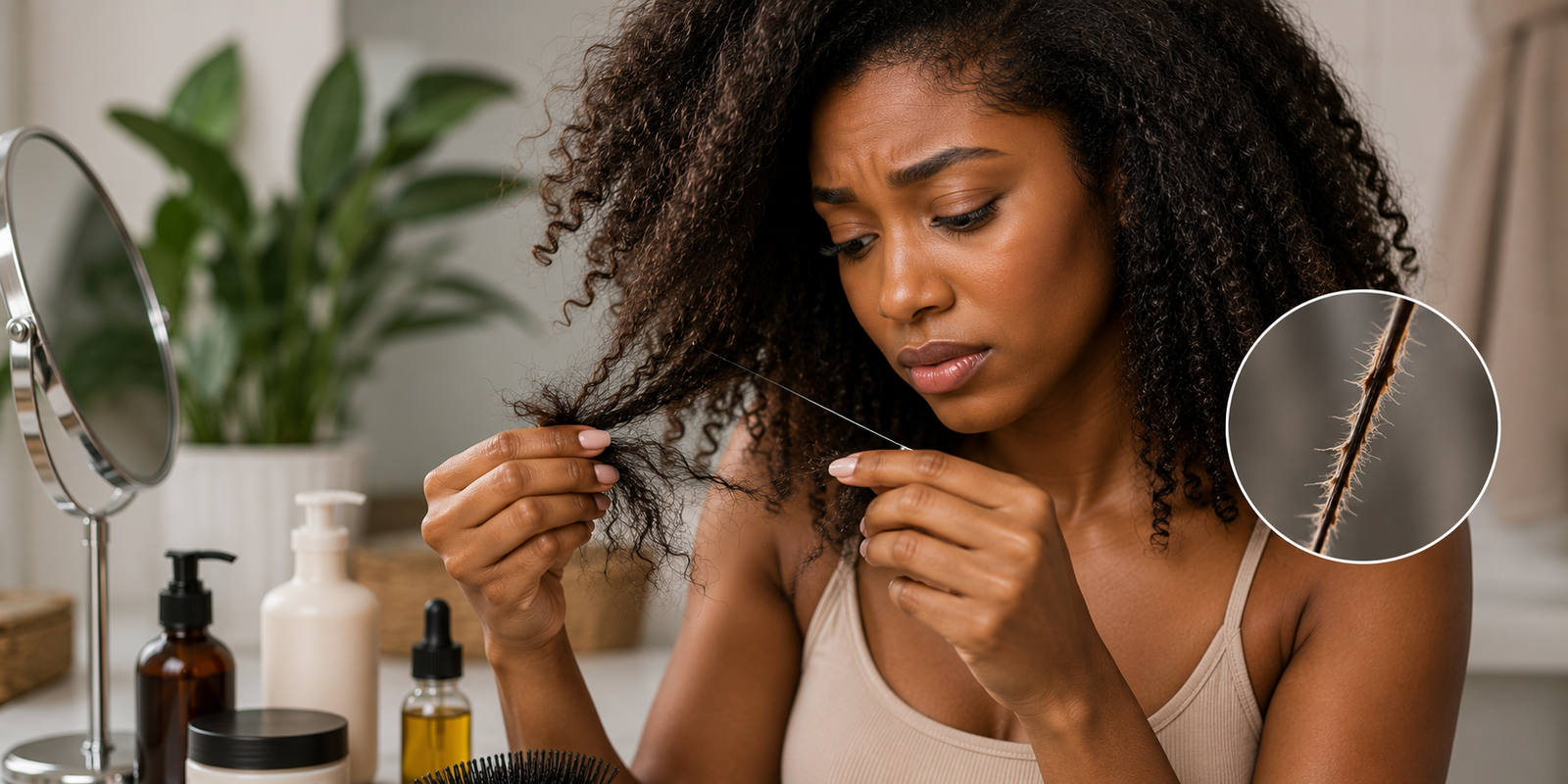
To fix hair structural failure, we first need to understand what it actually is. Hair breakage occurs when the outermost protective layer of the hair strand—the cuticle—becomes compromised.
Think of the hair cuticle like shingles on a roof. In healthy hair, these shingles lie flat, overlapping smoothly to protect the inner core, known as the cortex. The cortex houses the moisture, pigment, and structural protein bonds (like disulfide bonds) that give hair its strength and elasticity.
When the cuticle shingles are lifted, chipped, or completely stripped away by external stressors, the cortex is exposed. Without its protective shield, the inner structure dries out, becomes brittle, loses its elasticity, and eventually snaps under the minor pressure of a comb, brush, or hair tie.
Hair Breakage vs. Normal Shedding: How to Tell the Difference
It is incredibly common to confuse normal hair shedding with structural breakage, but they are entirely different biological processes.
- Normal Hair Shedding: This is part of the natural hair growth cycle (specifically the exogen phase). The average human safely sheds between 50 to 100 strands of hair per day. You can identify a shed hair by looking at the root. If the strand has a tiny, white, bulbous end, it fell out naturally from the follicle and will grow back.
- Hair Breakage: Broken hairs do not have a white bulb at the root. Instead, they are typically shorter, uneven pieces with frayed, split, or blunt ends. If you notice short hairs scattering across your bathroom counter or clothes when you style your hair, you are dealing with structural damage, not shedding.
| Further Reading: |
Common Causes of Hair Breakage
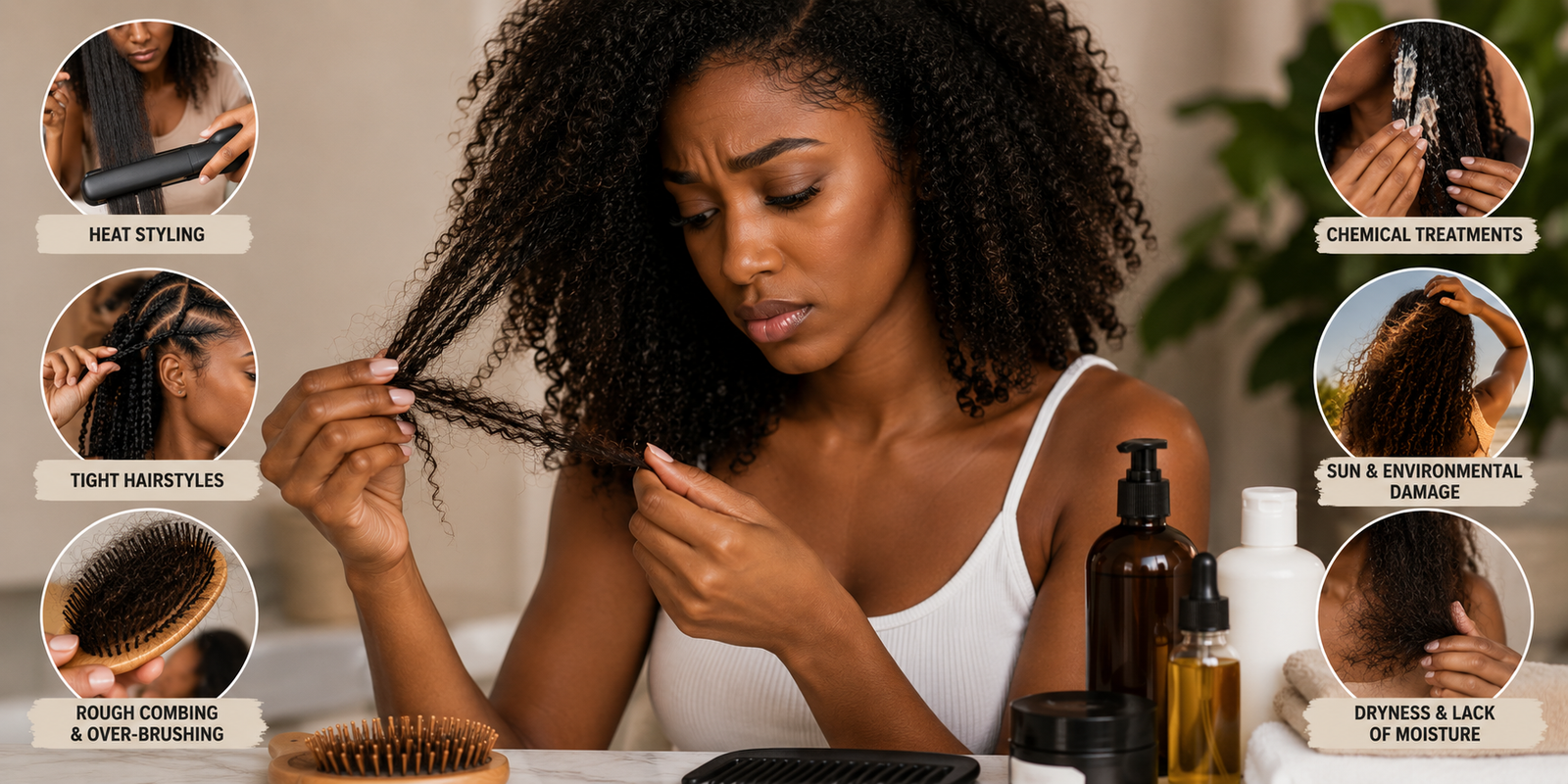
Hair damage rarely stems from a single mistake. Usually, it is the result of cumulative stress from three main categories: chemical, thermal, and mechanical damage.
1. Chemical Over-Processing
Chemical services like bleaching, permanent hair coloring, relaxers, and texturizers change the internal bond structure of the hair to alter its shape or color. When these services are done too frequently, left on too long, or applied to already damaged hair, they permanently degrade the hair’s protein matrix. This leaves the strand weak, porous, and highly susceptible to snapping.
2. Excessive Heat Styling
Blow dryers, flat irons, and curling wands are incredible styling tools, but they pose a constant threat to hair health. Temperatures exceeding 350°F (177°C) literally cook the keratin proteins inside the hair and dry out the moisture bound within the cortex. Over time, high heat creates micro-fissures along the hair shaft.
3. Mechanical Friction and Tension
The way we handle hair physically matters just as much as the products we use. Rough brushing, detangling from the roots down instead of the ends up, using tight elastic hair ties, and sleeping on rough cotton pillowcases create constant physical friction. This friction gradually wears away the cuticle layer.
| Further Reading: |
Quick Reference: The Structural Breakdown of Hair Damage
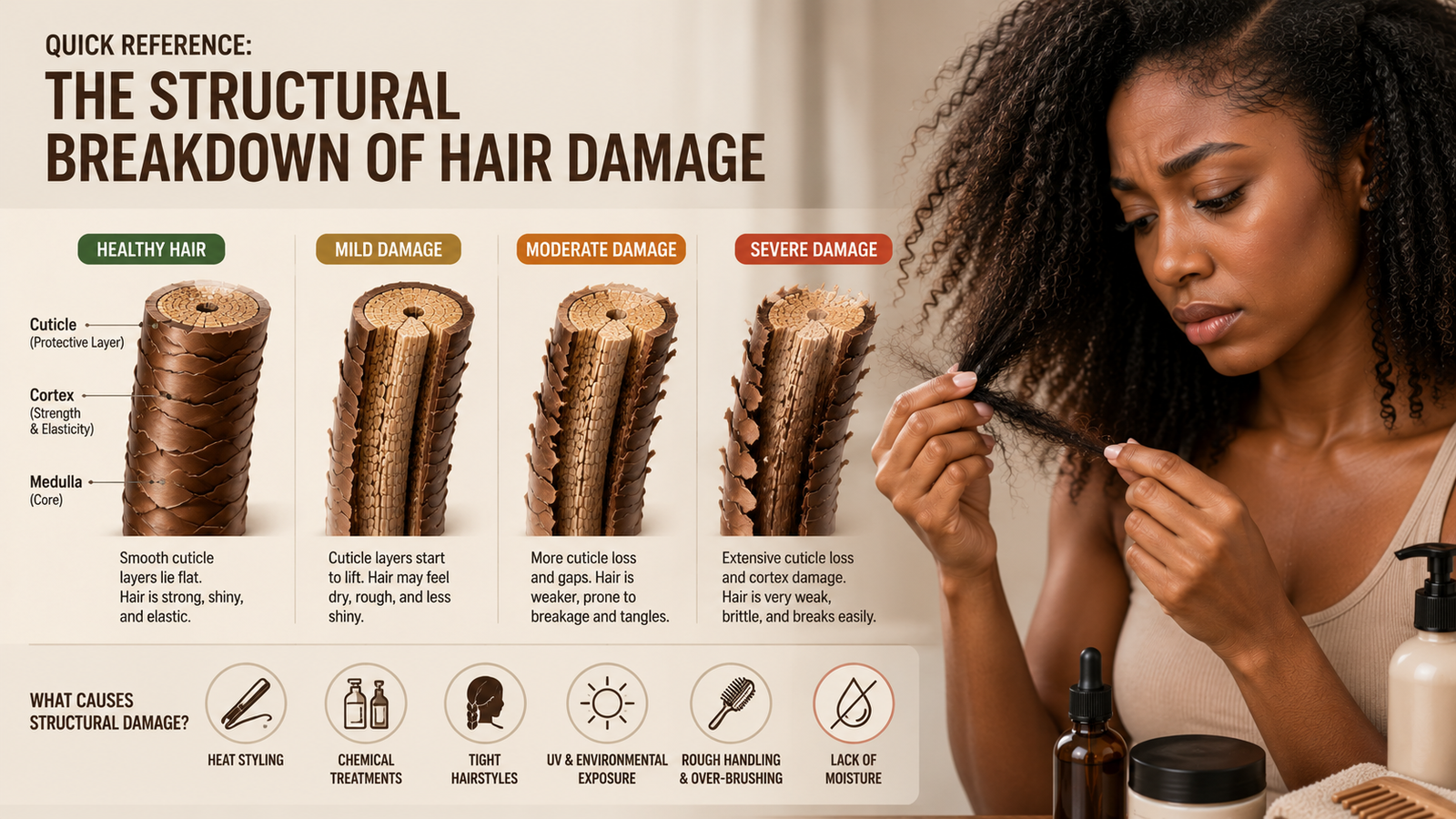
| Type of Damage | Primary Source | Structural Impact | Warning Signs |
| Chemical | Bleach, relaxers, perms, high-lift dyes | Breaks internal disulfide bonds; strips protective fatty acids | Mushy texture when wet; high porosity; rapid snapping |
| Thermal | Flat irons, curling tools, high-heat blow drying | Melts keratin proteins; vaporizes internal moisture | Rough, dry texture; split ends that travel up the shaft |
| Mechanical | Aggressive brushing, tight elastic bands, cotton sheets | Physically tears and chips the outer cuticle shingles | Short, frayed pieces around the crown; split ends |
The Ultimate Step-by-Step Hair Care Routine to Reduce Breakage
If you want to transform brittle strands into resilient, elastic hair, you need a structured, deliberate routine. This step-by-step framework is designed to clean, fortify, and protect hair without causing further stress.
Step 1: Prep and Cleansing
Start your wash day with a gentle, sulfate-free best shampoo for hair breakage. Sulfates can strip away the natural lipids that keep the cuticle smooth. Focus the shampoo primarily on your scalp to remove oil and buildup, letting the suds rinse down through the lengths of your hair without aggressively scrubbing the fragile ends.
Step 2: Targeted Conditioning and Repair
After rinsing your shampoo, gently squeeze excess water out of the hair. Apply a dedicated damaged hair repair products treatment or a moisture-rich deep conditioner. Focus this application from the mid-lengths down to the oldest, most fragile parts of the hair. For highly compromised hair, look for treatments containing hydrolyzed proteins, amino acids, and plant-based lipids that can temporarily fill the gaps in a damaged cuticle.
Step 3: Low-Friction Detangling
Never wrap your wet hair in a heavy, rough terry-cloth towel, which acts like sandpaper on fragile strands. Instead, press excess water out using a soft microfiber towel or a clean cotton t-shirt. Apply a high-slip leave-in conditioner, then use a wide-tooth comb or a flexible detangling brush. Always start detangling at the very ends of the hair, working your way up to the roots in small, gentle sections.
Step 4: The Shield (Heat Protection)
Before any hot air or styling tool touches your hair, apply a professional-grade heat protectant. Heat protectants act as a thermal buffer, evening out heat distribution and reducing the direct thermal shock to the hair strand. Keep your styling tools set to the lowest effective temperature setting (ideally below 350°F for fine or damaged hair).
| Further Reading: |
How to Stop Hair Breakage
What is the fastest way to prevent hair breakage?
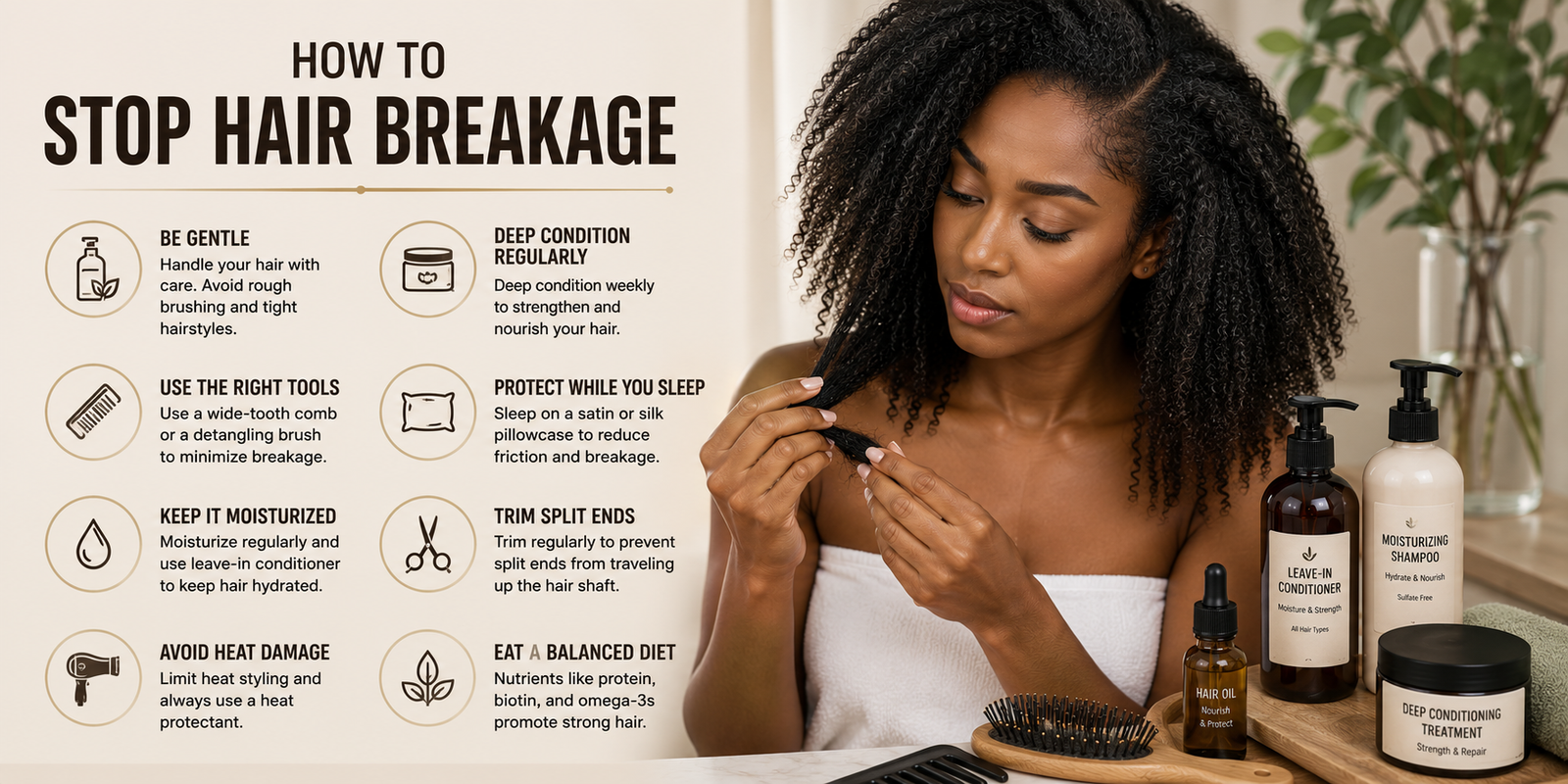
To quickly stop and prevent hair breakage, you must balance moisture and protein in your hair care routine, eliminate high-heat styling tools, and use a professional-grade damaged hair repair products treatment. Protecting the hair from mechanical friction by switching to a silk or satin pillowcase and using a wide-tooth comb on wet hair will immediately preserve the structural integrity of your strands.
Core Steps for Immediate Prevention:
- Switch to Sulfate-Free Cleansers: Protect natural oils that shield the hair cuticle.
- Use a Heat Protectant Every Time: Never apply direct heat to bare hair.
- Detangle from Ends to Roots: Stop pulling through knots from the top down.
- Incorporate Protein & Moisture: Use a targeted hair breakage treatment weekly.
- Ditch Elastic Bands: Switch to silk scrunchies or seamless hair ties to reduce tension.
Best Practices and Expert Tips to Protect Hair Health
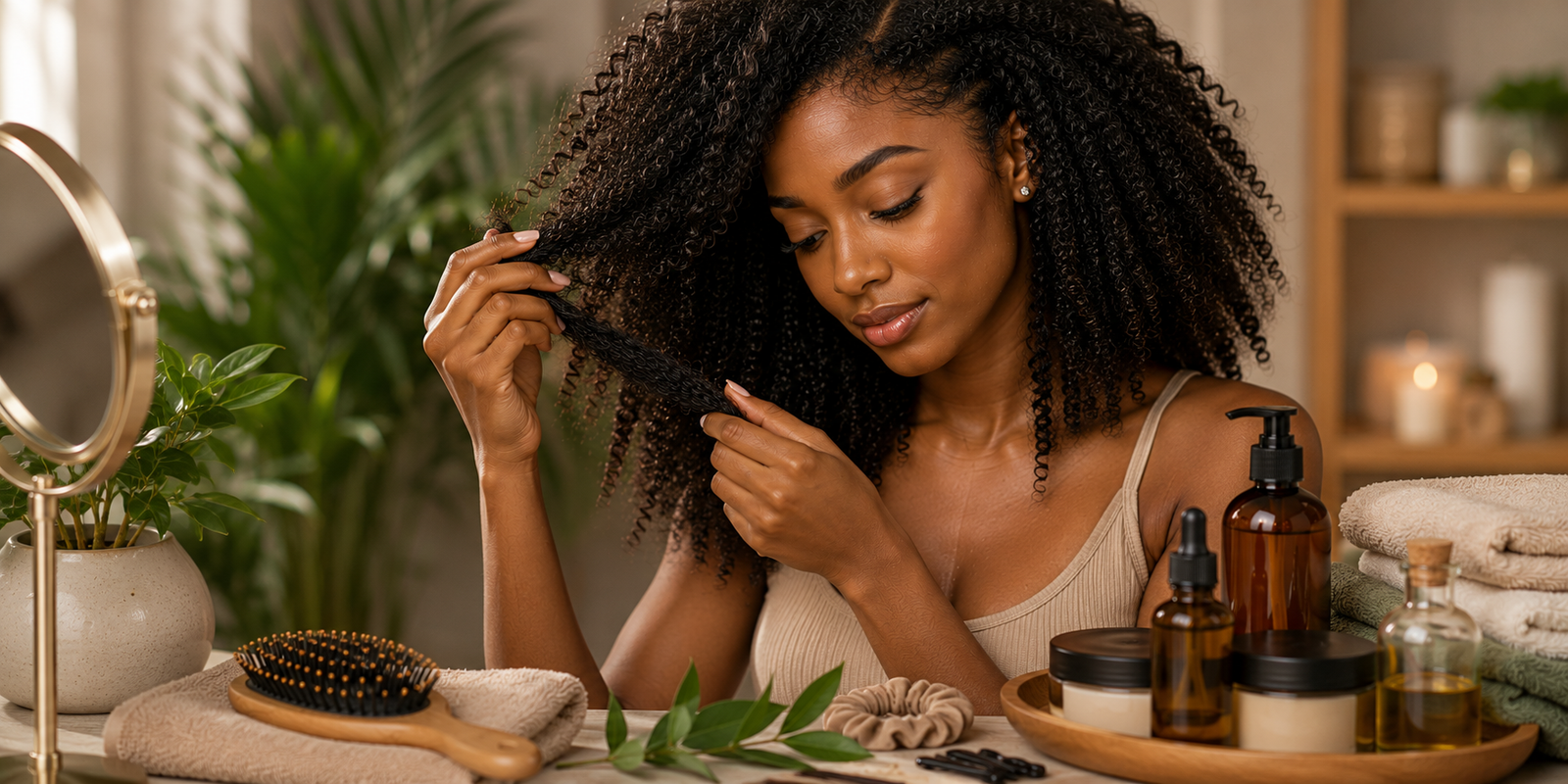
To get long-term results, you have to look beyond the shower. These lifestyle adjustments and styling habits will help shield your hair from daily wear and tear.
- Adopt Protective Styling Wisely: Styles like braids, twists, and buns can be excellent ways to keep ends safe from environmental stress and friction. However, if these styles are installed too tightly, they cause a type of hair loss and breakage known as traction alopecia. Ensure your protective styles are comfortable and don’t pull on the scalp.
- Upgrade Your Sleep Setup: The average person moves their head dozens of times throughout the night. Sleeping on a standard cotton pillowcase creates continuous friction against the hair cuticle. Switching to a pure silk or high-quality satin pillowcase allows your hair to glide smoothly across the surface, drastically reducing morning tangles and breakage.
- Balance Moisture and Protein: Hair health lives on a continuum between moisture (for elasticity) and protein (for strength). Too much moisture without protein leaves hair mushy and overly stretchy, while too much protein without moisture makes it rigid, stiff, and prone to snapping like a dry twig. Rotate your hydrating conditioners with strengthening protein treatments to maintain the perfect structural balance.
| Further Reading:
Unlock the Beauty of Wavy Hair with the Best Shampoo and Conditioner |
Top Professional Products for Hair Breakage Control
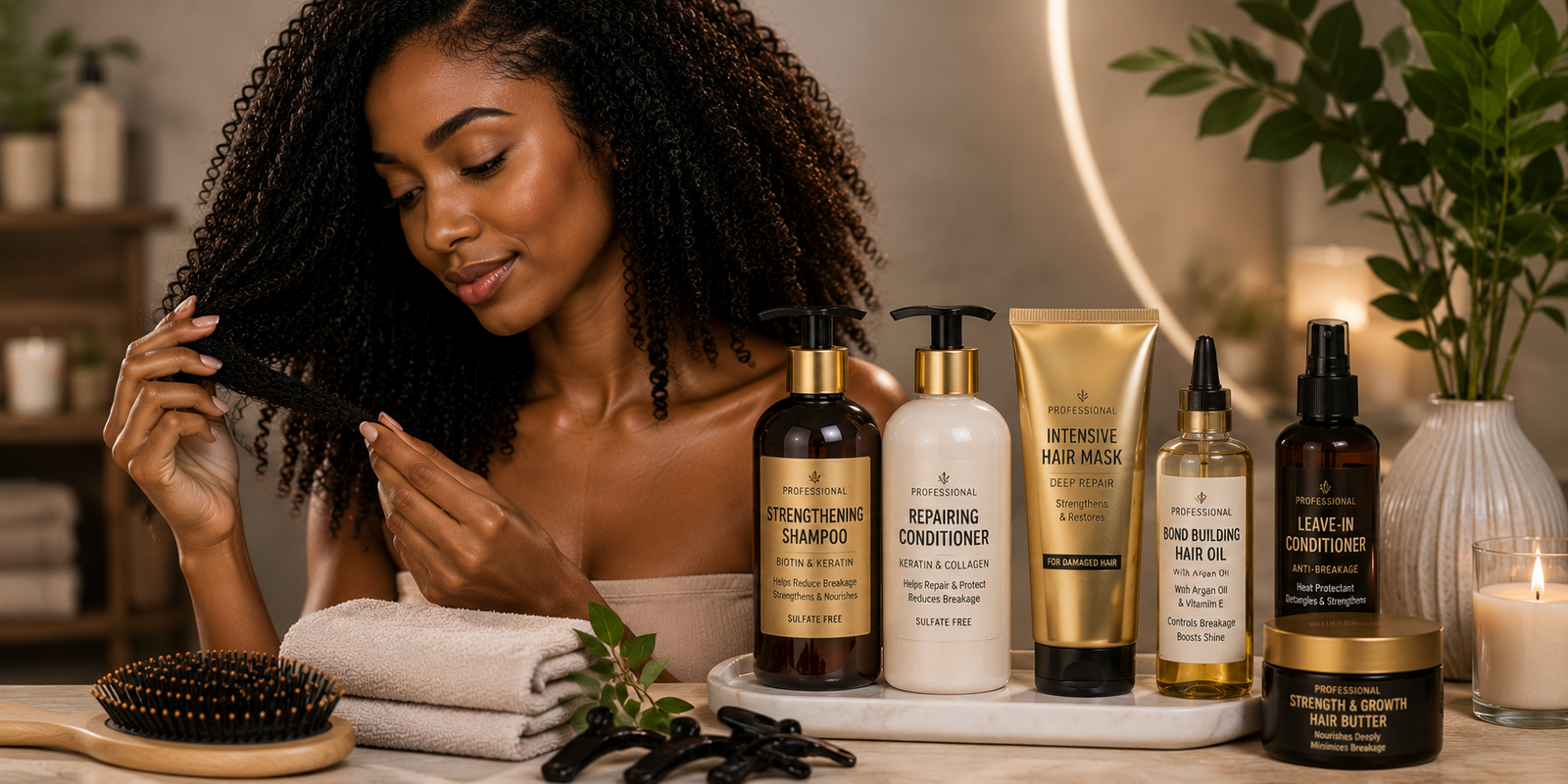
As a dedicated distributor for professional salons across Louisiana and Southern Mississippi, Salon Essentials knows that your business thrives on using products that deliver visible results. When building a retail shelf or backbar to fight hair damage, look for professional-grade formulations that feature high-quality ingredients like wheat proteins, almond oil, avocado oil, and shea butter.
1. Advanced Moisture-Rich Shampoos
Look for specialized, moisture-replenishing, sulfate-free shampoos. These formulas gently cleanse the scalp while depositing essential fatty acids onto the hair shaft, smoothing down raised cuticles right from the start of the wash process.
2. Deep Penetrating Hydrators and Conditioners
For deep hydration, choose conditioners enriched with natural oils like sweet almond oil and avocado oil. These ingredients penetrate the hair shaft to restore flexibility and shine, making them a crucial tool for any comprehensive hair breakage treatment routine.
3. Fortifying Protein Treatments
When hair has been structurally weakened by chemical color or relaxers, it needs a targeted damaged hair repair products approach. Incorporating treatments with hydrolyzed proteins helps temporarily patch structural gaps in the cortex, giving the hair strand back its foundational strength.
| Further Reading: |
Frequently Asked Questions (FAQs)
What causes hair breakage?
Hair breakage is caused by the breakdown of the hair’s protective outer cuticle layer. This is typically driven by a combination of chemical over-processing (like bleaching or relaxers), excessive heat styling without protection, environmental stressors, and mechanical friction (such as aggressive brushing or tight hair ties). When the cuticle is damaged, the inner core dries out and snaps under pressure.
What are the best products to prevent hair breakage?
The best products for hair breakage are those that offer a balanced approach of moisture, protein, and thermal protection. Look for sulfate-free strengthening shampoos, deep conditioning masks enriched with natural oils (like avocado and almond oil), leave-in conditioners with excellent slip for safe detangling, and professional-grade heat protectant sprays.
Can hair breakage be repaired naturally?
While you cannot structurally glue a completely broken hair strand back together permanently, you can learn how to stop hair breakage naturally by changing how you handle your hair. You can protect its health by using natural plant oils (like argan, jojoba, or coconut oil) to lock in moisture, switching to a silk pillowcase to eliminate friction, avoiding heat styling, and drinking plenty of water to support overall hair health from the inside out.
How often should I trim my hair to prevent breakage?
To maintain optimal hair health and prevent split ends from traveling up the hair shaft, it is best to get a trim every 6 to 8 weeks. If you are actively growing out your length and practicing excellent hair care habits, you can extend this to every 10 to 12 weeks. Regular trims cut away split ends before they can tear further up the strand and cause widespread breakage.
Which hair care routine helps reduce breakage the most?
The most effective hair breakage prevention tips point to a simple, consistent routine: wash with a gentle sulfate-free shampoo, follow with a deeply hydrating or protein-fortifying conditioner, apply a high-slip leave-in conditioner, detangle gently from ends to roots with a wide-tooth comb, and always apply a high-quality heat protectant before styling.
Conclusion: Partner with Salon Essentials for Healthier Hair
Learning how to prevent hair breakage is a journey that requires patience, consistent care, and professional-grade formulas. By identifying the root causes of damage—whether thermal, chemical, or mechanical—and implementing a dedicated care routine focused on moisture and protection, you can transform fragile, brittle strands into strong, beautiful hair. For professional stylists across Louisiana and Southern Mississippi, delivering these transformations for your clients requires having the absolute best tools and products on hand. At Salon Essentials, we are fully committed to your business success. We prioritize providing you with the most efficient, cost-effective, and professional-grade salon products to keep your backbars stocked and your retail shelves thriving. Ready to elevate your salon offerings and provide your clients with the ultimate hair repair solutions? Contact the Salon Essentials team today to explore our wholesale options and discover how we can help your salon business grow.