
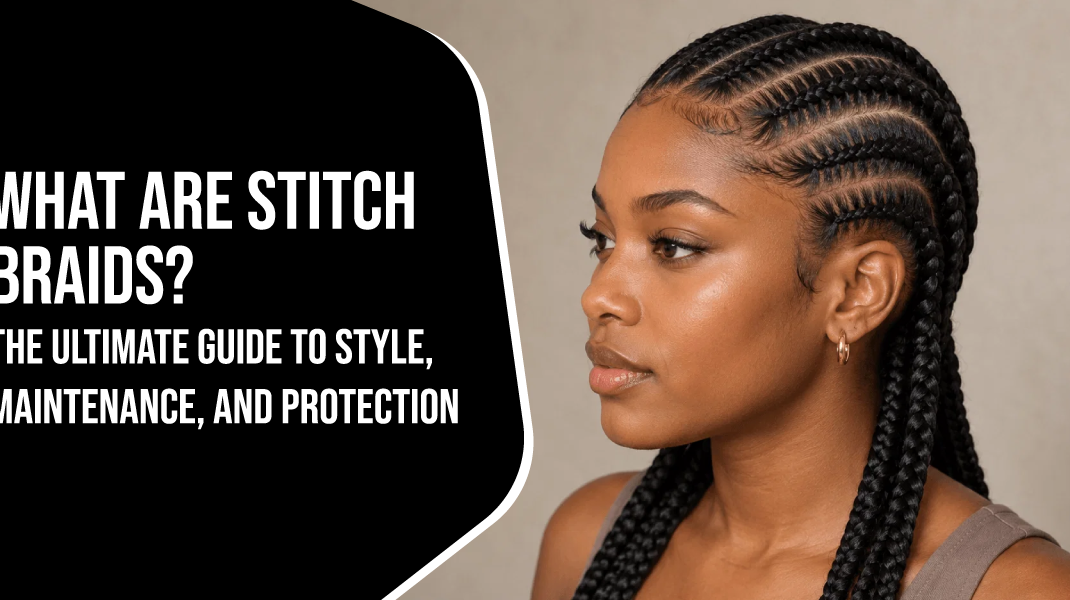
Nothing compares to the crisp, clean precision of a fresh set of feed-in braids. However, if you have spent hours scrolling through social media or browsing salon lookbooks, you have likely noticed ultra-sharp, graphic parting lines that make certain cornrow styles look completely seamless. This brings us to a fundamental question many beauty enthusiasts ask: What are stitch braids, and how do they differ from classic braided hair plaits?
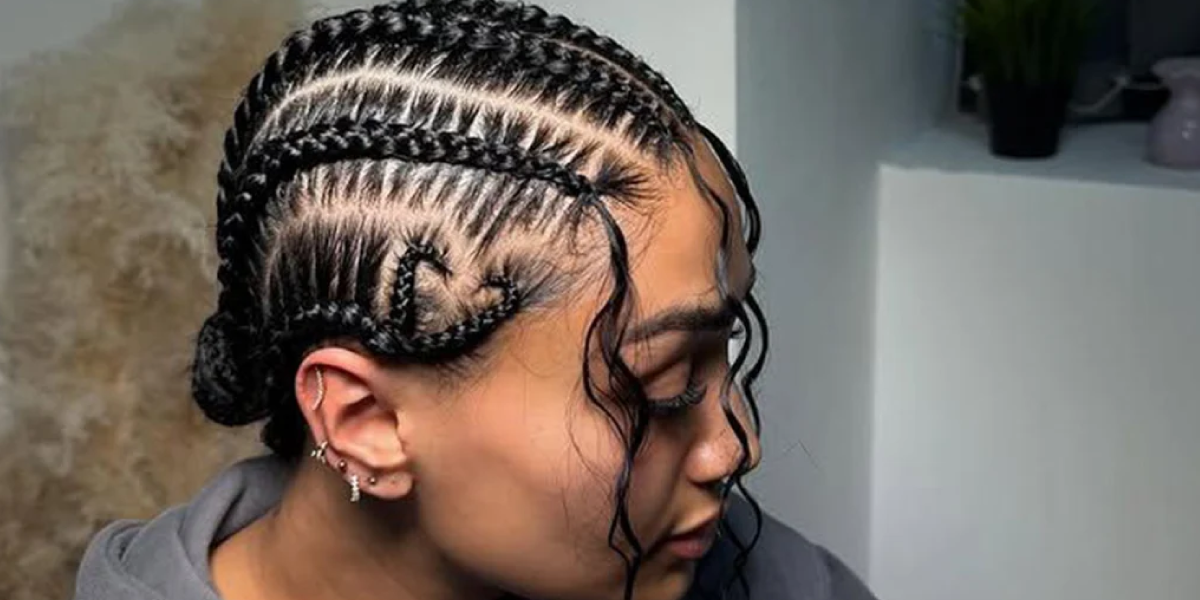
Stitch braids are an advanced feed-in braiding technique where the braider uses a precision parting tool or fingernail to divide natural hair into distinct, horizontal parallel lines before feeding extensions into the braid. This unique feed-in method creates a signature “stitched” or box-like pattern along the scalp, giving the finished hairstyle a clean, high-contrast visual appeal.
At Salon Essentials LLC, under the leadership of owner Dana Jones, we support professional braiders, salon owners, and mobile stylists across Los Angeles with professional wholesale hair care supplies and top-tier product lines like Design Essentials Professional. In this comprehensive guide, we will unpack everything you need to know about stitch braids—from installation techniques and protective benefits to popular design variations like Fulani boho braids and essential long-term maintenance strategies.
Stitch Braids Quick Reference
Fast Facts: What Are Stitch Braids?
- Definition: A feed-in braiding style using horizontal razor-sharp partings that resemble stitches along the scalp.
- Technique: Utilizes the feed-in method with firm hold gels or edge control, feeding synthetic or human hair extensions progressively to build thickness without tension.
- Average Lifespan: 4 to 6 weeks, depending on natural hair texture, scalp care, and night protection.
- Key Benefit: Delivers high visual precision while reducing weight and tension on the hairline compared to traditional knot-based cornrows.
Quick Comparison: Stitch Braids vs. Traditional Cornrows
| Feature | Stitch Braids | Traditional Cornrows |
| Parting Method | Horizontal, micro-line partings (“stitches”) | Continuous, standard vertical or angled partings |
| Feed-in Technique | Progressive feed-in without visible starting knots | Traditional overlap or single feed-in point |
| Scalp Appearance | Ultra-sharp, graphic, box-stitched contrast | Standard clean scalp lines |
| Tension Level | Moderate to low (distributed evenly along feed-in points) | Moderate to high (if started with heavy base knots) |
| Product Needed | Heavy-hold braiding gels / jam for sleek parting | Standard pomade or light braid mousse |
What Are Stitch Braids? Understanding the Technique and Origins
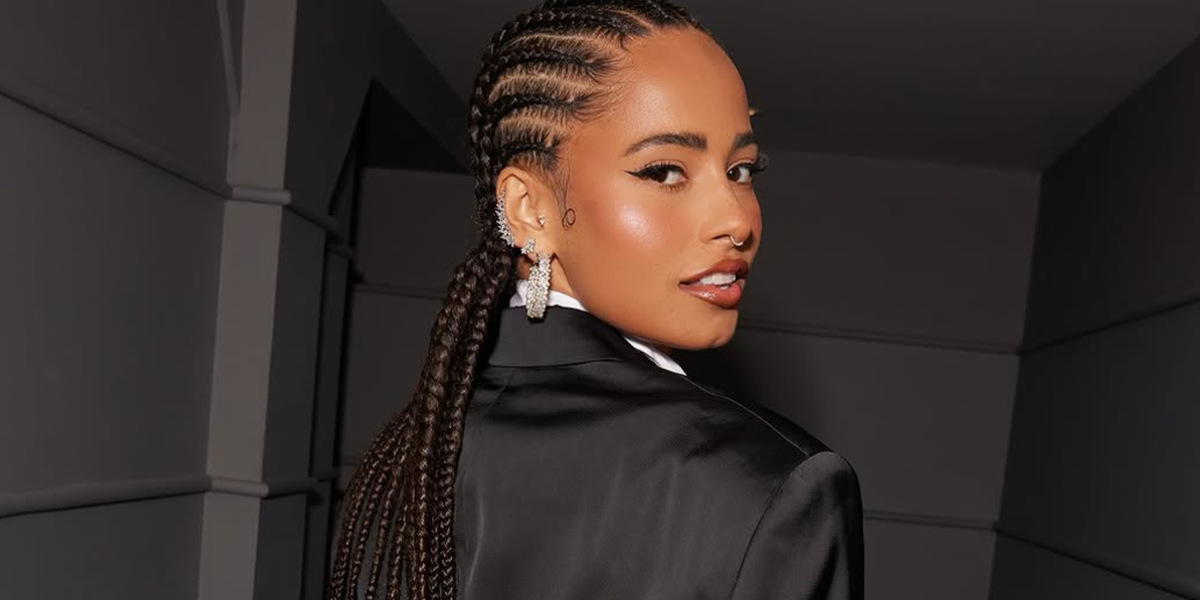
To truly understand what are stitch braids, it helps to look at the evolution of modern protective styling. Stitch braids are a refined variation of traditional feed-in cornrows. Instead of grabbing large sections of natural hair continuously into a braid, the stylist uses a multi-parting process.
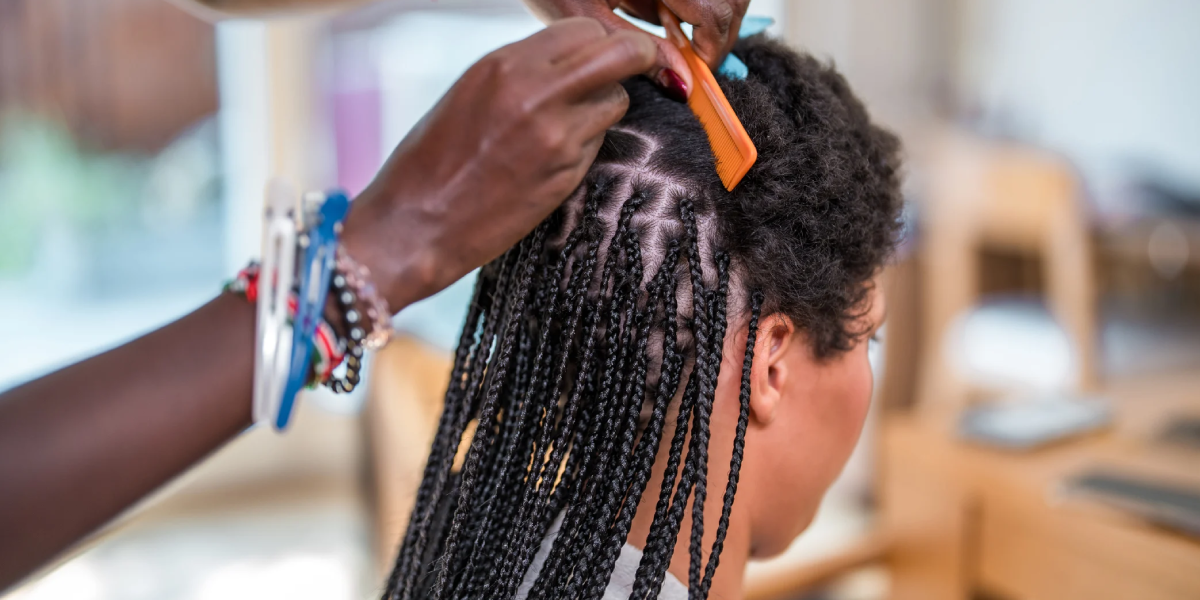
Using a metal rat-tail comb, precision parting ring, or sculpted fingernail, the stylist creates small horizontal cut-outs perpendicular to the main braid track. As each horizontal section is folded into the main braid, hair extensions are gradually added (fed in) underneath. This creates a visible “stitch” effect—a sequence of neat, uniform panels that frame each braid line down the scalp.
The Anatomy of a Stitch Braid
- The Base Track: The main directional line where the braid rests against the scalp.
- Horizontal Stitch Partings: Perpendicular mini-partings carved systematically along both sides of the main track.
- The Feed-In Extension: Small strands of braiding hair incorporated under the natural hair to add length and density seamlessly.
- The Braid Control Hold: High-shine, non-flaking edge gels applied to lock down flyaways and define every geometric line.
Why Stitch Braids Matter in Modern Protective Styling
Stitch braids have taken the beauty and hair distribution industry by storm because they bridge the gap between structural artistry and functional hair care.
1. Architectural Precision and Versatility
Unlike basic braided hair plaits, stitch braids allow stylists to execute complex geometric patterns. They serve as the foundational base for numerous trending cultural styles, including:
- Tribal Braids: Geometric front-to-back or side-parted patterns inspired by West African hair traditions.
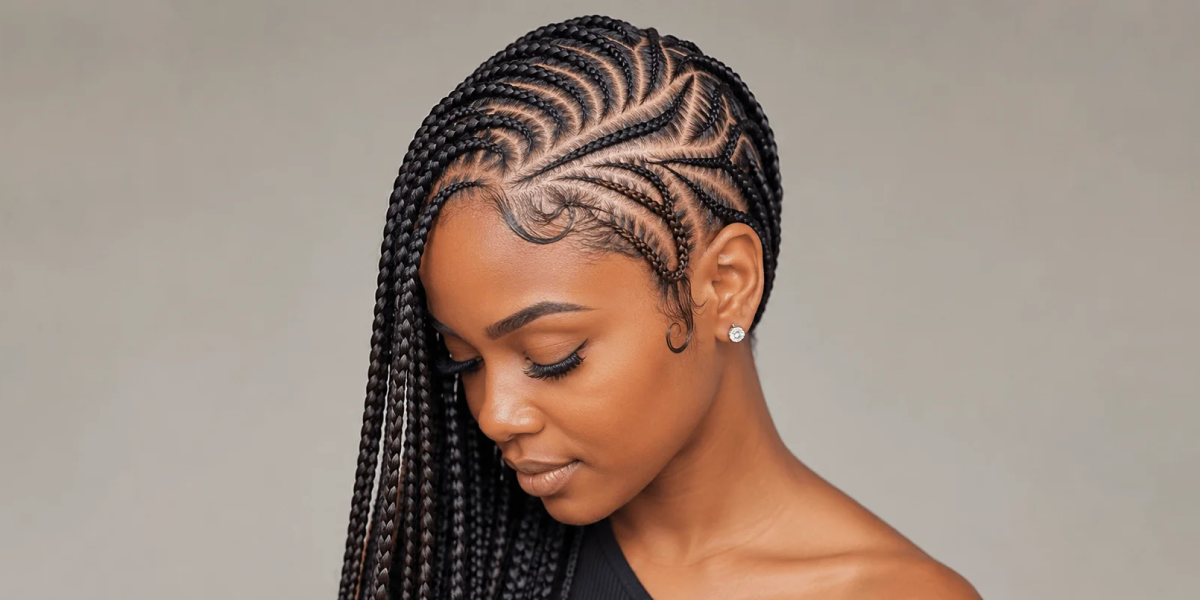
- Fulani Braids: A central cornrow combined with side braids feeding forward, often embellished with beads, metallic rings, or cowrie shells.
- Flip Over Fulani Braids: A modern adaptation where top braids are laid in a flexible direction, allowing the wearer to flip their braids from side to side effortlessly.
2. Seamless Integration with Texture Trends
Stitch braids pair exceptionally well with loose curls and textured extensions. Combining sleek scalp lines with soft textures creates dynamic hybrid styles like:
- Fulani Boho Braids: Combining sharp stitch cornrows at the crown with free-flowing, curly braiding hair throughout the back and ends.
- Curly Hair with Plait Accents: Mixing defined stitch cornrows with voluminous curly extensions for an effortless summer look.
- Fulani Braids with Curls: Featuring defined stitch lines on top while cascading into full, bouncy curl patterns toward the lengths.
Key Benefits of Stitch Braids
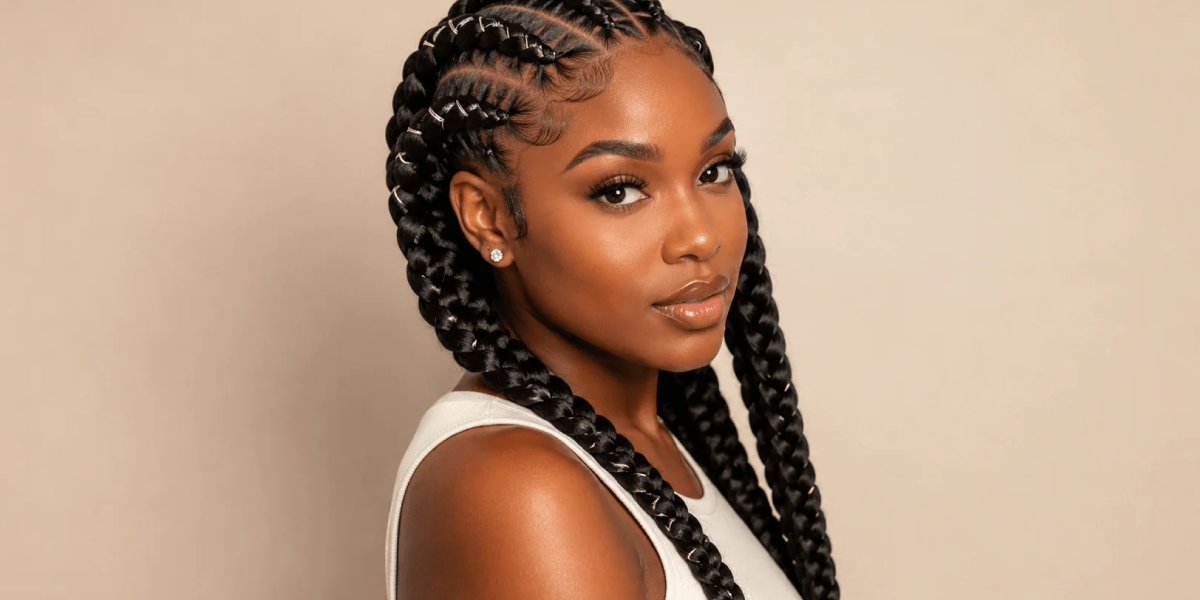
Beyond their striking aesthetic, stitch braids offer significant functional benefits for individuals focused on maintaining healthy natural hair.
1. Reduced Scalp and Hairline Tension
Because extension hair is added gradually in small, controlled increments rather than anchored at the root with a heavy knot, stitch braids distribute weight evenly across the scalp. This minimizes stress on delicate hairline follicles and helps prevent traction alopecia.
2. Longevity and Clean Lines
The heavy use of professional holding gels combined with precise parting keeps hair locked into place longer than standard cornrows. Even as your natural hair grows, the clean stitch lines maintain their definition for weeks.
3. Low Daily Maintenance
Once installed, stitch braids require minimal daily styling. This makes them an ideal choice for busy professionals, athletic lifestyles, and vacation hair routines.
Common Mistakes to Avoid with Stitch Braids
While stitch braids are visually stunning, improper technique or poor maintenance can harm your hair and scalp. Here are the most critical mistakes to watch out for:
| Mistake | Risk | Fix / Solution |
| 1. Excessive Pulling & Overtension | Severe scalp inflammation, tension bumps, and hair breakage. | Communicate with your stylist immediately if you feel pulling. Braid tension should feel secure, never painful. |
| 2. Product Buildup & Flaking | Low-quality pomades or conflicting alcohol gels create white residue along stitch lines. | Use clear, professional-grade edge controls (like Design Essentials Professional) designed for clean parting without flaking. |
| 3. Neglecting Scalp Hydration | Gel-soaked scalp exposed without moisture leads to dryness, itching, and scaling. | Apply lightweight, penetrating scalp oils (jojoba or tea tree oil) directly between stitch lines every few days. |
| 4. Keeping Braids in Too Long | Leaving braids in past 6 weeks causes natural shed hair to mat at the roots, leading to breakage. | Take down stitch braids within 4 to 6 weeks to wash, deep-condition, and rest your natural hair. |
Step-by-Step Installation Process for Stitch Braids
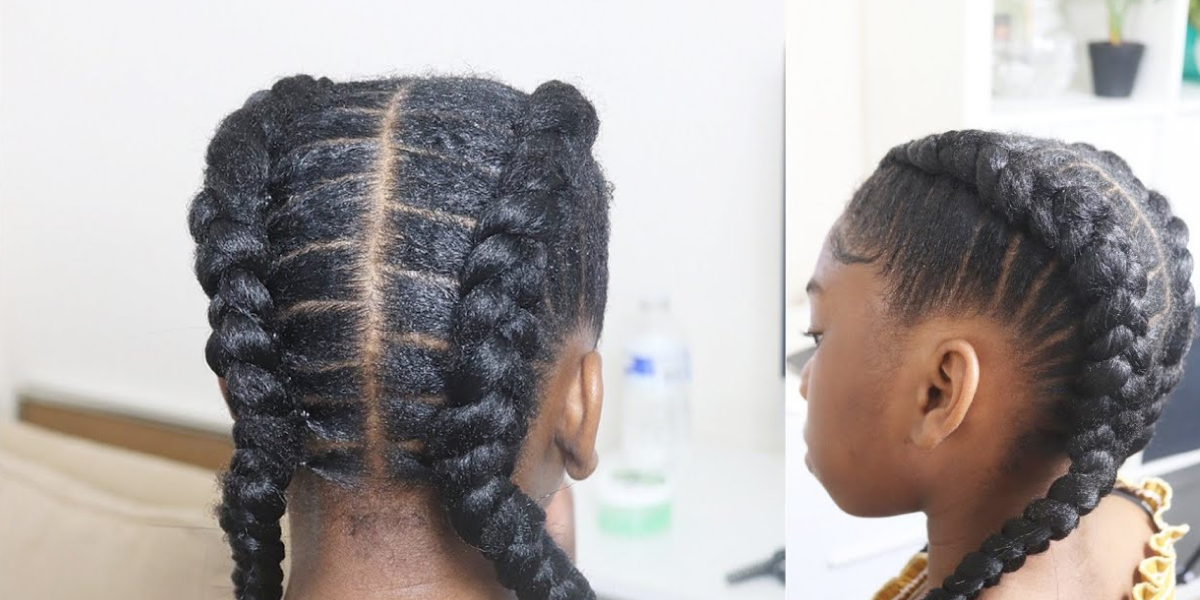
Achieving smooth, razor-sharp stitch braids requires patience, accurate hand positioning, and quality products. Here is how professional braiders execute the style:
| Step Number | Phase Name | Detailed Execution |
| Step 1 | Preparation & Detangling | Wash with clarifying shampoo, apply deep conditioner, and blow-dry completely straight using a comb attachment. |
| Step 2 | Sectioning & Mapping | Map out the master design on the scalp (e.g., straight-backs or flip over fulani braids) and separate main tracks with clips. |
| Step 3 | Carving Stitches & Feeding In | Apply high-hold wax/gel, slice horizontal mini-sections perpendicular to the main track, fold into the braid, and feed extensions underneath progressively. |
| Step 4 | Securing & Finishing | Braid to the ends, dip synthetic hair in hot water to set braid memory, apply mousse across the scalp, and set under a hood dryer with a satin strip. |
Best Practices and Pro Tips for Long-Lasting Stitch Braids
To keep your stitch braids looking fresh from week one to week six, follow these expert care standards:
Professional Care Protocols
- Nighttime Protection: Always cover your hair with a silk or satin bonnet or wrap your scalp in a long satin scarf. Satin reduces friction against pillowcases, preventing frizzy stitch lines.
- Lightweight Scalp Care: Use a nozzle-applicator bottle to apply light anti-itch serums or tea tree oil directly to exposed scalp lines without disturbing the braid tracks.
- Mousse Refresh Routine: Every week, apply a generous layer of conditioning foam or braid mousse over the top of your stitch braids, tie them down firmly with a satin scarf for 20 minutes, and let them air dry to restore a fresh-from-the-salon look.
- Preserve Curly Ends: If your style features fulani braids with curls or fulani boho braids, apply a light leave-in conditioner or mousse to the loose curl sections daily to prevent matting and tangling.
FAQs: Frequently Asked Questions About Stitch Braids
What’s the difference between stitch braids and regular braids?
Stitch braids utilize a specific feed-in parting technique where horizontal micro-sections of natural hair are carved out to create a distinct “stitched” or segmented pattern along the scalp. Regular cornrows simply braid continuous vertical strips of hair down the head without horizontal mini-partings or progressive feed-in layering.
Are stitch braids good for your hair?
Yes, stitch braids make an excellent protective style when installed correctly. Because extensions are fed in gradually rather than knotted at the root, stitch braids exert less direct tension on hair follicles compared to traditional box braids or knotted cornrows. However, maintaining proper scalp hygiene and avoiding excessive tightness during installation are essential for preserving hair health.
How long will stitch braids last?
Stitch braids typically last between 4 to 6 weeks. Longevity depends on how well you protect your hair at night with satin wraps, your natural hair growth rate, and your daily scalp care routine. Larger or thicker stitch braids may start to look fuzzy sooner (around 3 to 4 weeks), while smaller, intricate stitch styles can stay neat for up to 6 weeks.
What is the least damaging braid style?
Knotless braids and feed-in cornrows (including stitch braids) are widely considered the least damaging braid styles. Both techniques eliminate the tight, heavy starting knot used in traditional box braids, distributing weight evenly down the hair shaft and significantly lowering the risk of traction alopecia along the hairline.
Elevate Your Braiding Practice with Salon Essentials LLC
Understanding what are stitch braids is just the first step—achieving flawless execution depends on using high-performance professional tools and products. Whether you are crafting classic straight-backs, intricate tribal braids, or voluminous fulani boho braids, quality products make all the difference in achieving clean lines and long-lasting hold.
At Salon Essentials LLC in Los Angeles, owner Dana Jones is committed to supporting professional stylists, salon owners, and mobile braiders with wholesale access to premier hair care products, including the full Design Essentials Professional product line.
Ready to stock your salon with professional-grade braiding gels, scalp treatments, and maintenance supplies? Connect with Salon Essentials LLC today to explore our wholesale catalog and elevate your protective styling offerings!