
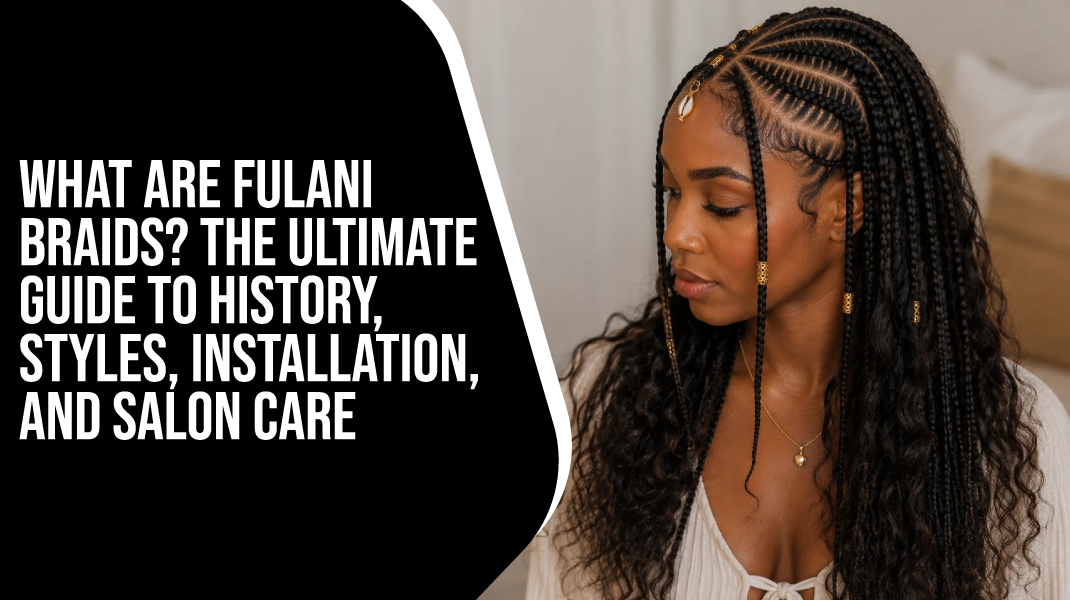
Protective hairstyles are more than just fashion statements; they are living expressions of history, cultural identity, and intricate hair artistry. If you are exploring iconic protective options for your salon clients or asking what are Fulani braids, you are looking at one of the most culturally rich and visually striking braid styles in Black hair culture. Defined by a central cornrow braided from front to back, side cornrows braided forward toward the face, and individual box braids or twists hanging in the back, Fulani style braids combine symmetry, geometric precision, and personal adornment.
Whether you are a professional cosmetologist looking to perfect your parting grid and accessory installation or a client choosing your next protective look, understanding the history, installation steps, and long-term scalp care behind Fulani braid styles ensures a stunning result. In this comprehensive guide, we examine the origins of this traditional look, compare popular Fulani hairstyles, outline step-by-step installation techniques, detail common mistakes to avoid, and share professional maintenance best practices.
What Are Fulani Braids?
Fulani braids (also known as Fulani style braids or bobraids) are a traditional protective hairstyle originating from the Fula (Fulani) ethnic group in West Africa. The signature pattern features a central cornrow braided down the middle of the scalp, side cornrows braided forward toward the temples or cheeks, and loose individual box braids or cornrows in the back, often decorated with beads, cowrie shells, or metallic rings.
- Key Feature: Asymmetrical or directional cornrows paired with forward-sweeping side braids and decorative accessories.
- Average Lifespan: 4 to 6 weeks with proper scalp care and night protection.
- Popular Variations: Classic beads and shells, Fulani lemonade braids, boho Fulani braids, and crown Fulani style patterns.
- Essential Care: Daily edge and scalp hydration, low-tension installation, and silk/satin bonnet protection.
What Is a Fulani Braid Style and Why Is It So Popular?
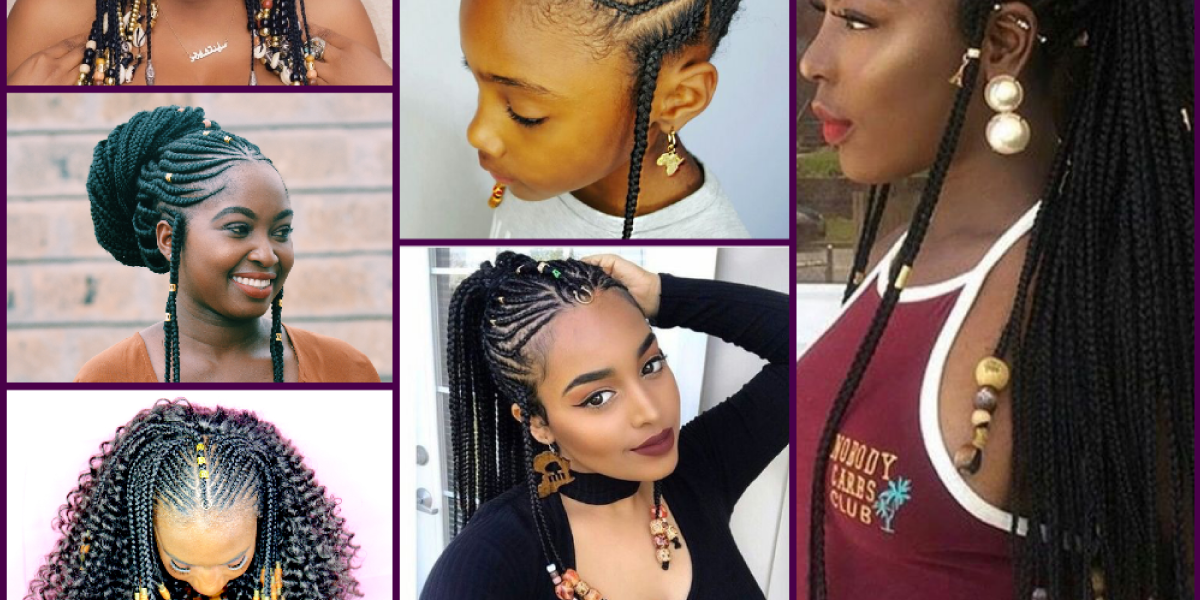
Understanding what are Fulani braids requires looking at both their traditional lineage and their modern salon resurgence. Unlike uniform straight-back cornrows or all-over box braids, classic Fulani braid patterns incorporate a specific multi-directional geometry:
- The Center Row: A single cornrow (or thin central grid) braided directly down the middle of the head toward the nape or crown.
- Forward-Sweeping Sides: Cornrows braided along the sides of the head that direct forward toward the face, hanging alongside the cheeks or ears.
- Back Section Integration: Individual box braids, knotless braids, or lower cornrows cascading down the back and shoulders.
- Adornment & Jewelry: Incorporation of wooden beads, brass rings, cowrie shells, and metallic wire woven directly into the braid lengths.
The popularity of Fulani hairstyles stems from this dynamic framing. The forward-facing side cornrows accent cheekbones and jawlines, while the beadwork adds rhythm and movement to the style.
Cultural Heritage: The Fula People of West Africa
Fulani style braids originate from the Fula (or Fulani) people, a traditionally nomadic pastoralist ethnic group inhabiting regions across West Africa, including Nigeria, Senegal, Guinea, and Mali. Historically, hair styling within the Fula culture communicated marital status, wealth, family lineage, age group, and religion. Accessories like cowrie shells represented fertility and wealth, while silver coins and amber beads signified tribal lineage and status. Today, wearing a Fulani braid honors this deep West African legacy while providing a versatile, modern protective style.
Comparing Popular Fulani Braids Hairstyles and Variations
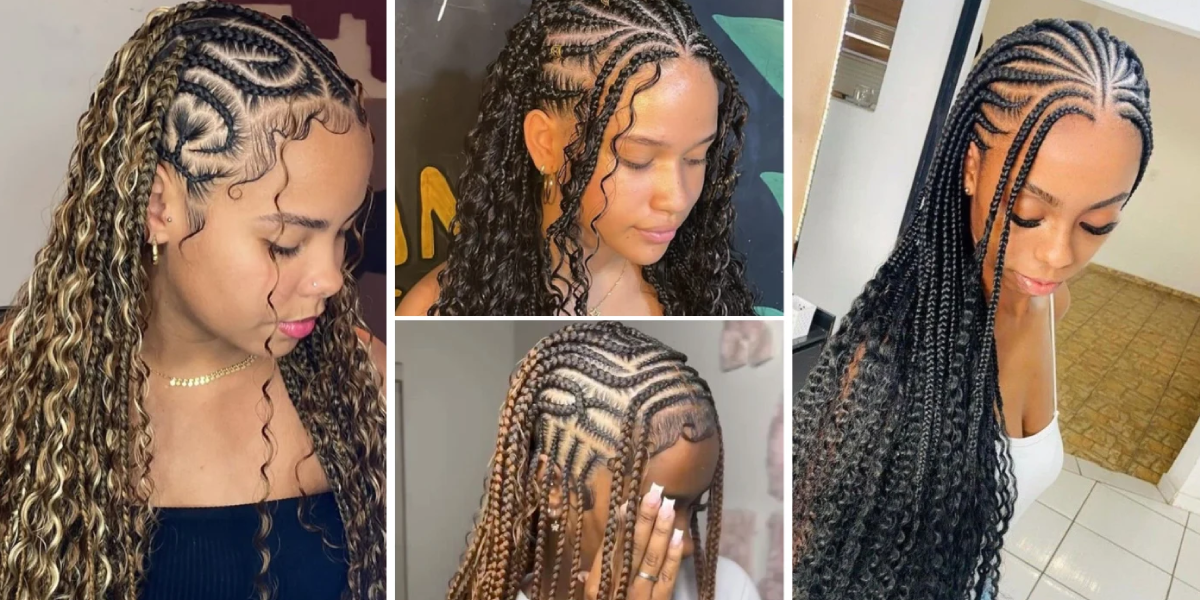
Modern braiders adapt traditional Fulani patterns to suit different aesthetic preferences, hair densities, and lengths:
| Fulani Style Variation | Structural Features | Ideal For | Average Longevity |
| Classic Traditional Fulani | Center braid, forward side cornrows, back box braids with wooden/glass beads. | Traditional cultural look, medium-to-long extensions. | 4 to 6 weeks |
| Fulani Lemonade Braids | Combines forward side-swept cornrows with deep side-swept lemonade patterns. | Modern asymmetrical aesthetic, facial framing. | 4 to 5 weeks |
| Boho / Goddess Fulani | Forward side cornrows transitioning into curly human/synthetic hair ends. | Soft, voluminous, romantic vacation style. | 3 to 4 weeks (Requires curl care) |
| Knotless Fulani Braids | Utilizes lightweight knotless feed-in techniques at the scalp roots for all rows. | Sensitive scalps, low-tension comfort, flexible styling. | 4 to 6 weeks |
| Short / Shoulder-Length Fulani | Bob-length or shoulder-skimming braids finished with heavy lower beads. | Lightweight everyday wear, summer climates. | 3 to 5 weeks |
Benefits of Wearing Fulani Style Braids
Choosing fulani style braids offers several aesthetic, protective, and practical benefits:
- Low Daily Manipulation: Once installed, your natural hair remains protected inside the cornrow and box braid structures, reducing heat damage and mechanical breakage.
- Striking Facial Framing: The forward-swept side cornrows frame the face beautifully, creating a natural contouring effect around the eyes and cheekbones.
- Direct Scalp Access: Because Fulani braid patterns feature clean, visible partings, applying scalp serums, witch hazel, and moisturizing oils is straightforward.
- High Creative Customization: Stylists and clients can mix braid sizes, incorporate colored hair extensions, and switch out beads or metallic cuffs for customized looks.
Common Mistakes to Avoid During Installation and Maintenance
1. Excessive Tension on the Temples and Hairline
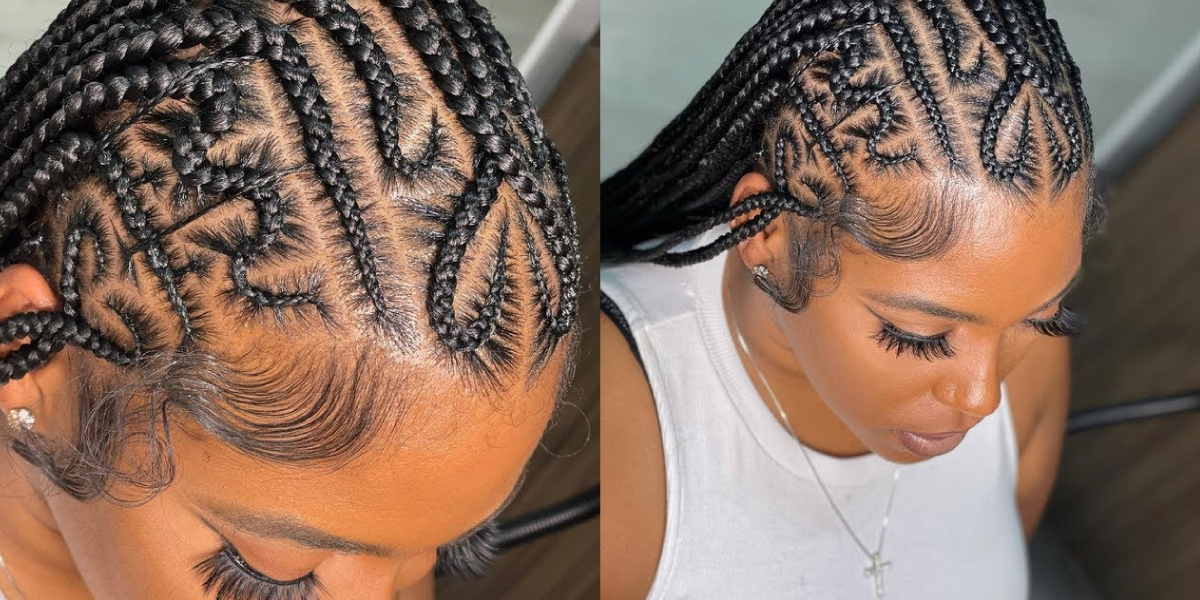
Because side cornrows in Fulani styles pull forward toward the face, applying too much tension along the hairline can cause traction alopecia, delicate edge damage, and tension bumps. Stylists should use feed-in methods and light hand pressure along edges.
2. Overloading Excessive Weight with Heavy Beads
While beads are central to traditional braids Fulani aesthetics, placing too many heavy wooden or ceramic beads on fragile ends can weigh down the scalp, causing physical strain and premature unraveling.
3. Neglecting Pre-Braid Moisture Prep
Braiding natural hair while dry or poorly detangled leads to internal strand breakage during installation and take-down. Hair should be thoroughly cleansed, deep-conditioned, and blow-dried with heat protectant beforehand.
4. Leaving Styles Installed Past 6 Weeks
Retaining protective styles too long leads to root matting, buildup at the base of cornrows, and stress on growing hair. Take braids down between 4 to 6 weeks to refresh the scalp.
Step-by-Step Process: Professional Fulani Braid Installation
Creating clean, balanced Fulani braid styles requires precise grid mapping and tension control:
- Step 1: Scalp Cleansing & Moisture Prep: Wash natural hair with a clarifying shampoo, apply an intensive deep conditioner, and blow-dry smooth using a tension nozzle attachment.
- Step 2: Map the Signature Central & Side Grid: Using a metal rat-tail comb, carve out the iconic central part down the middle of the head. Next, map the directional side sections that sweep forward toward the face.
- Step 3: Lay Base Partings with Styling Gel: Apply a smooth edge gel or braiding wax along the parts to smooth flyaways and lock in crisp, clear lines.
- Step 4: Execute Feed-In Cornrows: Begin braiding the center row and forward side rows close to the scalp, gradually feeding in small strips of pre-stretched extension hair to ensure a flat, natural root.
- Step 5: Braid the Back Section: Create individual box braids or knotless braids across the back quadrant, ensuring even weight distribution.
- Step 6: Thread Beads and Accessories: Use a latch hook or bead threader to slide beads onto the forward side braids and back ends. Secure beads with clear rubber bands.
- Step 7: Set with Mousse & Hot Water: Apply a lightweight setting foam across the cornrows, lay hair with a wrap strip, and dip synthetic ends into hot water to lock the braid structure.
Best Practices for Prolonging Braid Freshness
- Protect Hair Overnight: Wrap cornrows with a satin scarf to lay front rows flat, then cover remaining lengths with a wide bonnet to prevent pillow friction.
- Soothe and Hydrate the Scalp: Apply lightweight, non-comedogenic scalp oils or leave-in conditioning mists along exposed parts every 2 to 3 days.
- Clean Edge Gel Buildup: Cleanse gel buildup around the hairline using a damp microfiber cloth dabbed with witch hazel or micellar water rather than layering heavy products continuously.
Supporting Professional Stylists Across Louisiana and Southern Mississippi
Executing immaculate, long-lasting Fulani hairstyles requires high-performance products that provide clean partings, superior edge control, and deep moisture without leaving white residue or clogging scalp pores.
At Salon Essentials LLC, a premier Design Essentials Wholesaler/Distributor, our team is dedicated to supplying professional stylists with the premium hair care products required to run successful salon businesses. Serving licensed cosmetologists and salon owners across Louisiana and Southern Mississippi, Salon Essentials LLC provides authentic Design Essentials products—including moisturizing shampoos, conditioning foams, high-shine edge gels, and scalp treatments formulated for textured hair and protective braid excellence.
Equipping your station with professional-grade supplies ensures every cornrow remains sleek, neat, and comfortable for your clients.
Real-World Example: Traditional Fulani Style for Vacation Care
Salon Spotlight: Amara’s Protective Transformation
- Client Request: Amara wanted a bold, culturally rich protective style for an extended international trip that offered facial framing and secure beadwork.
- Stylist Strategy: Mapped a classic Fulani grid using feed-in cornrows for the front side-swept rows and knotless individual braids for the back. Prepped her hair with Design Essentials Almond & Avocado Leave-In Conditioner and secured metallic cuffs and wooden beads onto the ends.
- Outcome: Amara enjoyed 5 weeks of vacation wear with zero scalp irritation. Her natural edges remained protected, and her braids stayed clean and defined throughout her trip.
Frequently Asked Questions (FAQs)
What is the difference between cornrows and Fulani braids?
The main difference lies in directional layout and design structure. Standard cornrows are simple underhand rows braided straight back, sideways, or in custom curves across the entire head. Fulani braids are a specific traditional pattern featuring a central cornrow, side cornrows braided forward toward the face, individual braids in the back, and traditional bead or shell accessories.
What is the significance of Fulani braids?
Historically, Fulani braids signaled social status, age, wealth, marital standing, and family lineage within the Fula culture of West Africa. Beads, cowrie shells, and coins woven into the braids carried symbolic meanings related to prosperity, heritage, and fertility. Today, they remain a proud celebration of African heritage and artistic beauty.
Do Fulani braids damage hair?
Fulani braids do not damage hair when installed and maintained correctly. However, damage like traction alopecia can occur if the forward-sweeping side cornrows are braided too tightly along the hairline, if excessive heavy beads strain the roots, or if the braids are kept in longer than 6 weeks without proper scalp hydration.
What do Fulani braids look like?
Fulani braids feature a signature look consisting of a central cornrow braided down the middle of the scalp, thin side cornrows braided forward toward the face (hanging near the cheeks or ears), and loose individual box braids or cornrows cascading down the back. They are frequently decorated with wooden beads, metallic rings, or cowrie shells.
Conclusion
Now that you know what Fulani braids are, you can appreciate why this timeless protective style continues to captivate salon clients and stylists around the world. By blending historical West African artistry with modern feed-in techniques and decorative accessories, Fulani style braids offer a striking protective option that keeps natural hair safe while making an unforgettable aesthetic statement.
Focusing on proper preparation, balanced root tension, and consistent scalp hydration is key to delivering comfortable, long-lasting results.
For salon owners, braiders, and licensed cosmetologists across Louisiana and Southern Mississippi, partner with Salon Essentials LLC to access wholesale Design Essentials products that power your protective styling services and keep your clients’ hair healthy, shiny, and strong.