
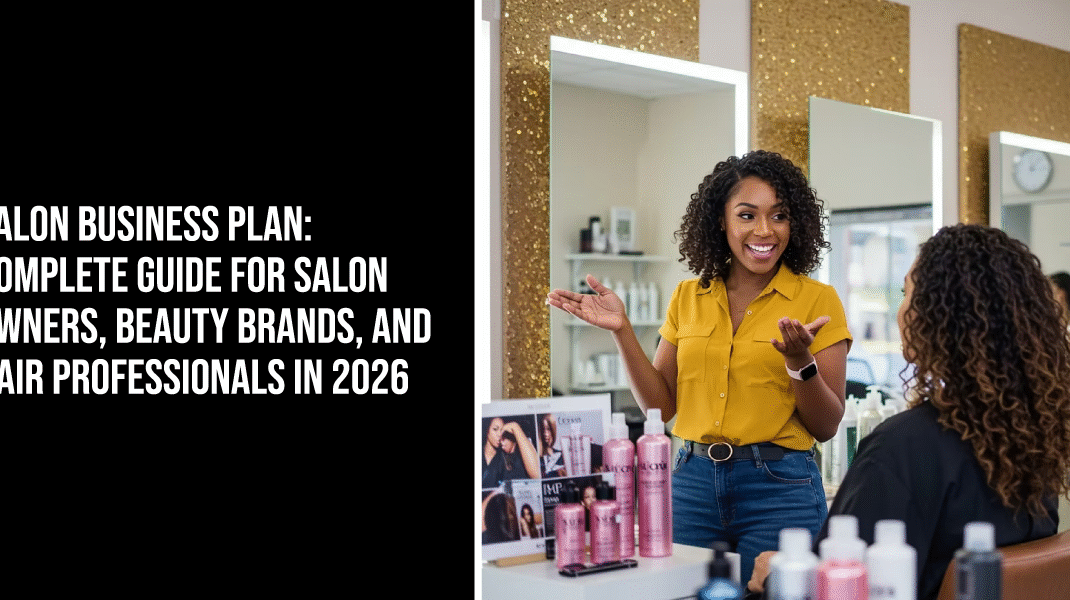
Opening a salon sounds exciting at first. You think about beautiful interiors, happy clients, trendy hairstyles, premium products, and growing your beauty brand. Then reality starts showing up. Rent gets expensive. Product costs keep increasing. Staff management becomes stressful. Marketing takes time. Competition grows every month. Many salon owners quickly realize how important a proper salon business plan is.
A salon business plan helps you understand how your salon will operate, grow, make a profit, manage expenses, attract clients, and compete in today’s beauty industry. It gives salon owners a clear direction before investing thousands of dollars into equipment, products, branding, employees, and salon space.
So, What is a Salon Business Plan?
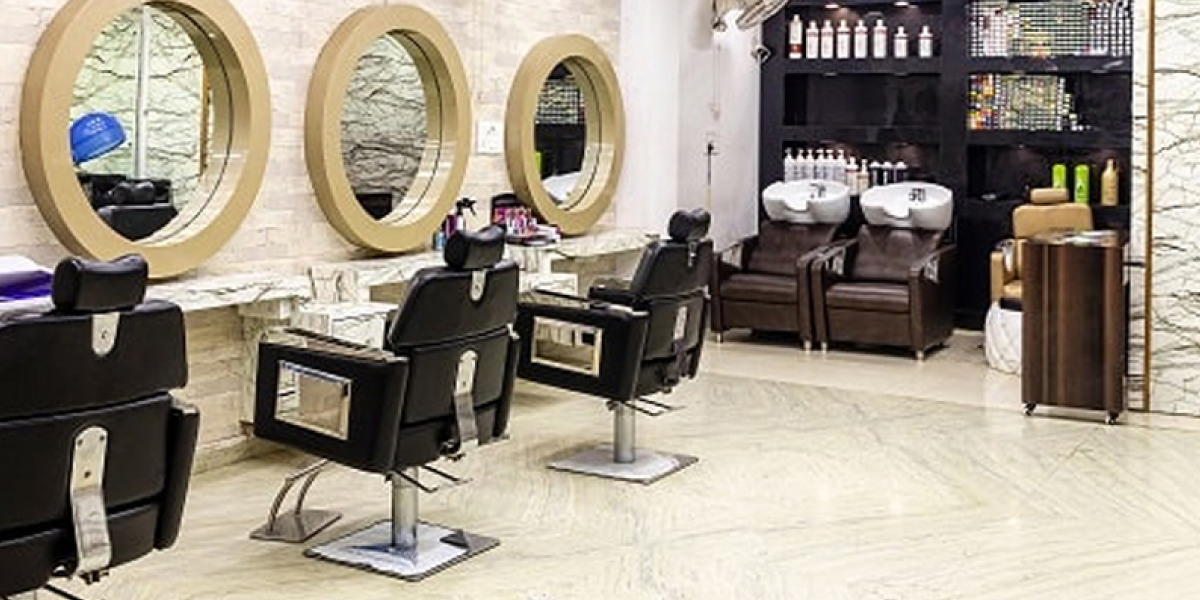
A salon business plan is a detailed guide that explains:
- What your salon does
- Who your clients are
- How your salon makes money
- What products you sell
- How you market your salon
- What expenses you will have
- How you plan to grow
Think of it like the foundation of your salon business.
Without a proper plan, many salon owners:
- Overspend on furniture
- Buy the wrong products
- Underprice services
- Struggle with inventory
- Fail to attract repeat clients
- Lose money on marketing
A strong salon business plan helps avoid these problems early.
Why Salon Owners Need a Business Plan in 2026
The beauty industry has changed a lot over the last few years.
Clients now care more about:
- Hair health
- Moisture retention
- Breakage prevention
- Protective hairstyles
- Premium salon experiences
- Natural ingredients
- Healthy scalp care
- Social media reputation
At the same time, salon owners face:
- Higher rent costs
- Expensive labor
- Product inflation
- More competition
- Rising advertising costs
The beauty and haircare industry continues to grow every year, especially premium haircare and retail salon products. Many profitable salons now earn a large share of their income from retail products rather than from salon services alone.
That means your business plan should focus on:
- Retail sales
- Client retention
- Premium product lines
- Hair treatment systems
- Memberships
- Online marketing
- Repeat appointments
What People Talk About Salon Businesses
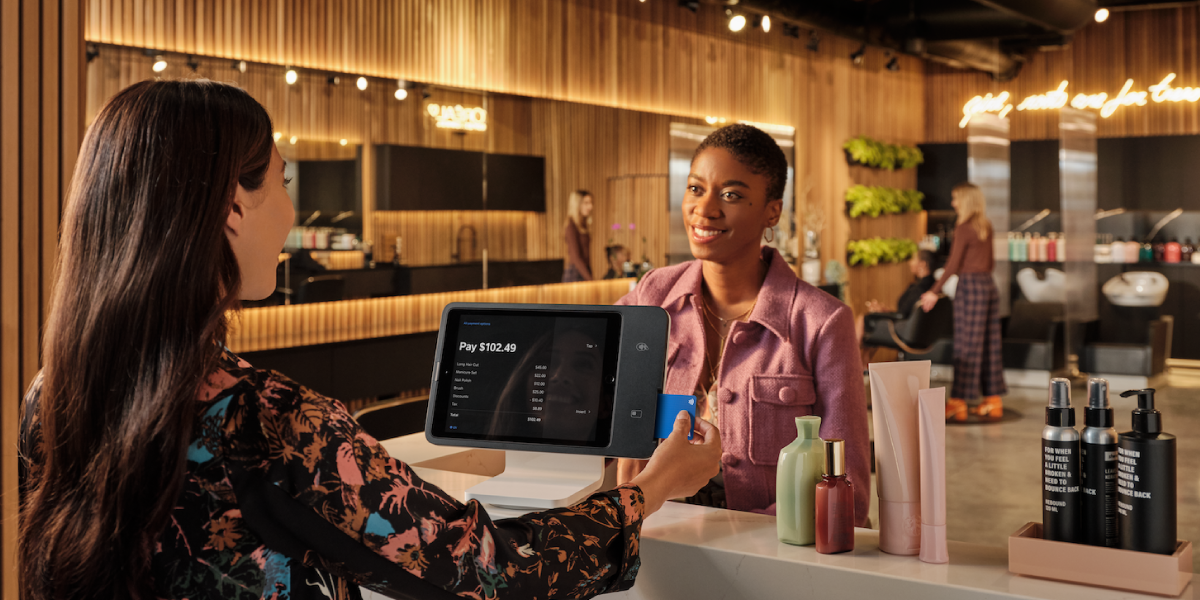
Many salon owners openly discuss their struggles on Reddit and Quora. The same concerns appear again and again.
“How Much Money Do I Need to Open a Salon?”
This is one of the biggest questions online. Most salon owners underestimate costs at first.
Common startup expenses include:
- Rent deposits
- Renovation
- Salon chairs
- Shampoo stations
- Mirrors
- Lighting
- Hair products
- Licensing
- Insurance
- Marketing
- Website setup
- Booking software
In Louisiana, a small salon usually costs about $35,000 to $75,000 to start with basic setup and products. A larger or luxury salon can cost $150,000 to $250,000+, depending on location, design, staff, and equipment.
The Most Important Parts of a Salon Business Plan
A salon business plan works best when it clearly covers all key areas that help you run, manage, and grow your salon successfully. Here are those things:
1. Executive Summary
This section explains your salon quickly.
Include:
- Salon name
- Location
- Services
- Mission
- Business goals
- Revenue goals
- Product focus
Example:
“Our salon focuses on healthy haircare, premium treatments, textured hair support, and retail haircare solutions for clients seeking long-term hair health.”
2. Salon Services
Explain all salon services clearly.
Examples:
-
- Hair coloring
- Haircuts
- Relaxer systems
- Braids
- Twists
- Deep conditioning
- Hair repair treatments
- Protective styles
- Moisture therapy
Many salons now earn higher profits from specialty treatments compared to standard haircuts.
3. Retail Product Strategy
This section matters a lot today. Modern salons need retail income. Clients want salon-quality products at home.
At Salon Essentials LLC, salon owners can access professional retail products, including:
- Milk & Honey Neutralizing Conditioning Shampoo
- Milk & Honey 6N1 Reconstructive Conditioner
- African Chebe Braid and Twist Styling Creme
- Chebe Strengthening & Curl Perfecting Mousse
- Anti Breakage Moisture Leave-In Conditioner
- Agave & Lavender Moisturizing Hair Bath
- Almond & Avocado collections
- Coconut & Monoi treatments
These products help salons support:
- Moisture retention
- Curl care
- Hair repair
- Breakage prevention
- Healthy scalp maintenance
- Relaxed hair care
Retail products increase:
- Monthly income
- Client loyalty
- Repeat purchases
- Brand trust
4. Market Research
Your business plan should explain:
- Who your target clients are
- What they spend money on
- What competitors offer
- What makes your salon different
Many salon clients now search for:
- Healthy hair salons
- Natural hair experts
- Relaxer specialists
- Luxury salon experiences
- Curly hair professionals
- Hair repair specialists
5. Competitor Analysis
Study salons around your area carefully.
Look at:
- Pricing
- Reviews
- Social media
- Product displays
- Customer experience
- Retail setup
- Booking systems
Many salon owners fail because they copy competitors instead of improving the client experience.
6. Marketing Plan
Marketing is one of the biggest reasons salons grow or fail.
Your salon marketing strategy should include:
- Instagram Reels
- TikTok videos
- Google reviews
- Referral programs
- Email campaigns
- SMS reminders
- Before-and-after videos
- Client testimonials
- Influencer collaborations
Many Reddit salon owners say Instagram drives a large percentage of their bookings.
7. Financial Planning
Your salon business plan must explain:
- Startup costs
- Monthly expenses
- Expected income
- Payroll
- Product costs
- Advertising budget
- Equipment expenses
Typical salon expenses include:
- Rent
- Utilities
- Employee wages
- Haircare inventory
- Insurance
- Website management
- Marketing costs
8. Inventory Management
Many salon owners lose money because of poor inventory systems.
Common problems include:
- Overstocking
- Expired products
- Wrong product choices
- Slow-moving retail products
Your salon plan should explain:
- Which products you stock
- Why clients need them
- Monthly reorder process
- Retail display strategy
9. Client Retention Plan
Getting new clients costs more money than keeping old clients. Strong salons focus heavily on retention.
Retention strategies include:
-
- Loyalty rewards
- Membership plans
- Birthday discounts
- Follow-up messages
- Haircare education
- Retail recommendations
Clients stay loyal when they trust your products and results.
Common Mistakes Salon Owners Make
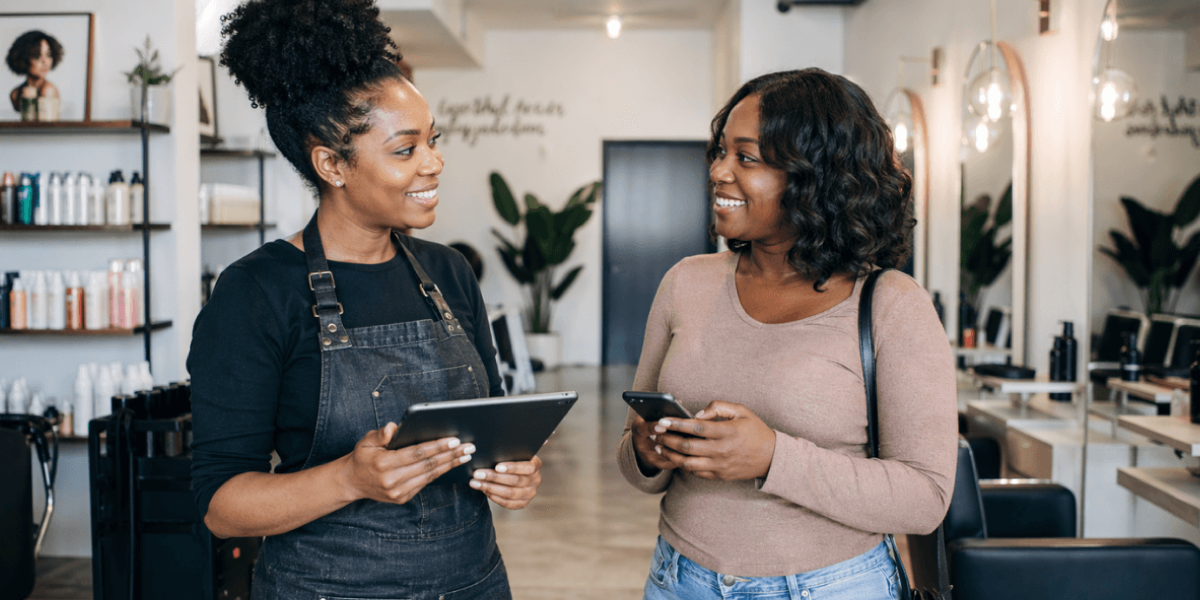
Below are the common mistakes made by salon owners:
- Ignoring Retail Sales: Many salons depend only on appointments. That limits growth. Retail products create additional income every day.
- Buying Cheap Products: Low-quality products damage trust quickly. Clients notice poor results fast. Professional products help build long-term loyalty.
- Weak Social Media Presence: Many clients check Instagram before booking. Poor photos and inactive pages hurt trust.
- Poor Pricing Strategy: Underpricing services creates burnout and low profit margins.
- No Financial Planning: Many salon owners spend too much before opening. A business plan helps control spending early.
Why Salon Owners Work With Salon Essentials LLC
At Salon Essentials LLC, we support salon owners, hairstylists, and beauty professionals with trusted salon products and reliable wholesale supply across Louisiana and Southern Mississippi as a Design Essentials distributor.
We provide professional shampoos, conditioners, relaxer systems, African Chebe collections, Almond & Avocado products, Coconut & Monoi treatments, and retail-ready salon essentials with fast delivery, product guidance, and 24/7 support.
Our focus is simple: help salons improve retail sales, client satisfaction, and steady business growth using products customers already trust.
Wrapping Up
A salon business plan helps salon owners build a stronger future before spending money on equipment, products, staff, and marketing. The beauty industry keeps changing quickly.
Clients now expect:
- Better haircare
- Premium products
- Healthy hair solutions
- Strong customer service
- Social media visibility
- Professional retail products
Salon owners who plan carefully usually grow faster, retain more clients, and create stronger long-term profits.
If you are starting a salon, expanding your beauty business, improving your retail product strategy, or searching for trusted wholesale salon products, Salon Essentials LLC is ready to help your business grow with trusted professional products, dependable support, and fast service.
|
For orders, call now: 5042144089 |
FAQs
|