
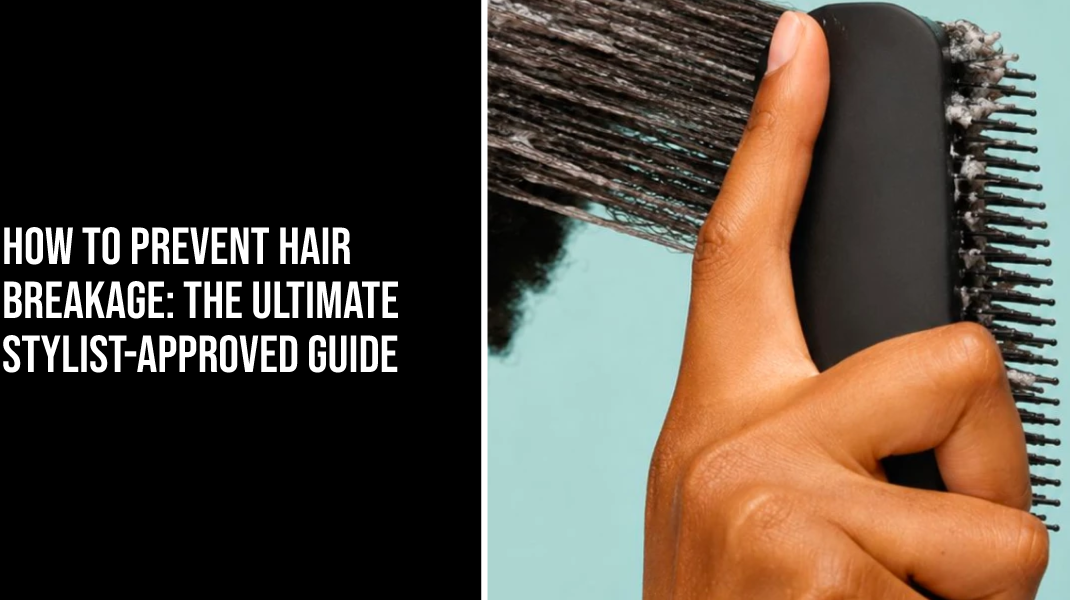
Finding short, snapped strands on your bathroom counter or noticing thin, frayed ends in your mirror can be frustrating. Hair breakage affects all hair textures, whether you have fine straight locks, dense coils, or color-treated waves. Unlike natural hair shedding—where hair falls out completely from the follicle with a white bulb attached—breakage occurs when the hair shaft fractures due to weakened protein structures and depleted moisture.
Knowing how to prevent hair breakage requires moving beyond quick cover-ups and addressing the root causes of structural weakness. In this comprehensive guide, our beauty experts at Salon Essentials break down the science of hair integrity, detail effective hair breakage prevention tips, and highlight the best products for hair breakage to restore elasticity, shine, and strength.
Quick Guide to Stopping Hair Breakage
What is hair breakage?
Hair breakage occurs when the outer protective cuticle of the hair shaft breaks down, exposing the inner cortex and causing the strand to snap under tension or friction.
5 Fast Steps to Stop Hair Breakage
- Switch to a sulphate-free, bond-building shampoo to reinforce internal keratin bonds.
- Apply a heat protectant up to 450°F (232°C) before using hot tools.
- Swap cotton pillowcases for mulberry silk to reduce friction overnight.
- Use a microfiber towel or T-shirt to gently pat hair dry rather than rubbing.
- Schedule regular trims every 6–8 weeks to remove splitting ends before they travel up the shaft.
What Causes Hair Breakage?

Hair consists of roughly 85% keratin protein held together by disulfide, hydrogen, and salt bonds. When these bonds are compromised by physical stress, heat, or chemicals, the hair shaft loses its elastic recovery and fractures.
| Damage Category | Primary Triggers | Visible Indicators |
| Thermal | Flat irons, curling wands, blow dryers | White specks, frayed split ends |
| Chemical | Bleach, relaxers, permanent dyes | Gummy texture when wet, high porosity |
| Mechanical | Aggressive brushing, tight hairstyles | Short snapped strands at the crown |
| Environmental | UV exposure, hard water, dry climate | Dullness, coarse texture, tangling |
1. Thermal Degradation
Exposing hair to temperatures above 300°F (150°C) strips away surface lipids and alters the shape of keratin proteins. Water trapped inside the cortex boils and expands, creating micro-blisters within the hair shaft that cause immediate snapping.
2. Chemical Stress
Bleaching, permanent coloring, and chemical relaxers break disulfide bonds to alter hair color or texture. Over-processing opens the protective cuticle permanently, making hair brittle and porous.
3. Friction and Mechanical Force
Rough towel-drying, plastic bristle brushes, and tight elastics strip away the lipid layer of the hair. Wet hair is especially vulnerable because water weakens hydrogen bonds, stretching hair up to 50% beyond its natural elasticity.
Step-by-Step Routine: How to Stop Hair Breakage Naturally
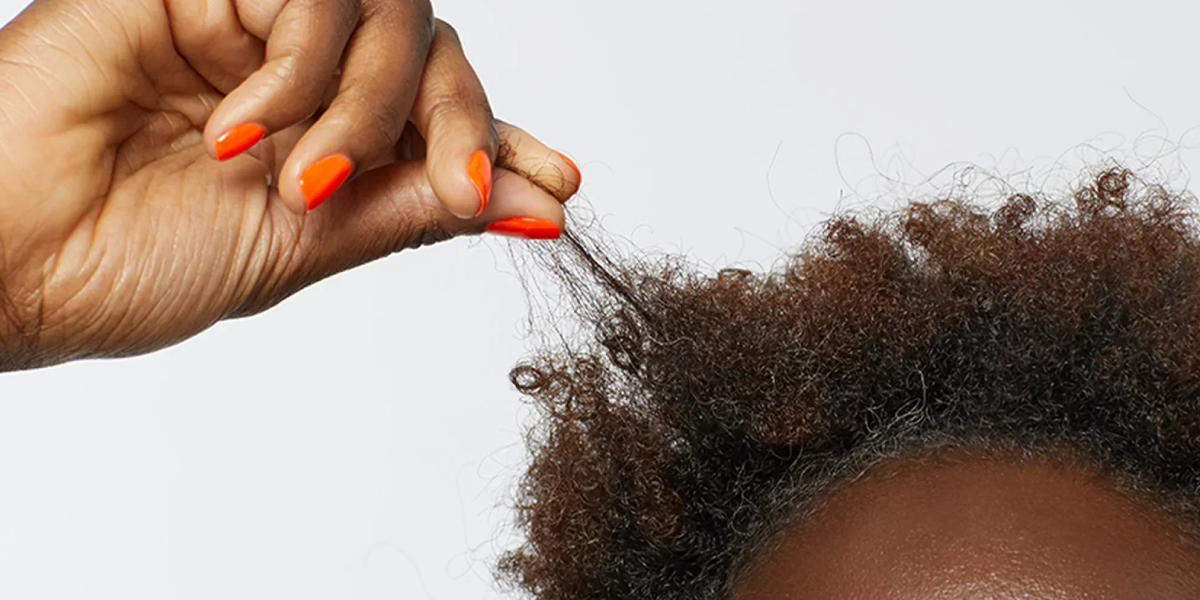
Building a resilient hair care routine requires balancing moisture and protein. Follow this sequence to repair damage and prevent future fracturing.
Step 1: Gentle Cleansing and Scalp Care
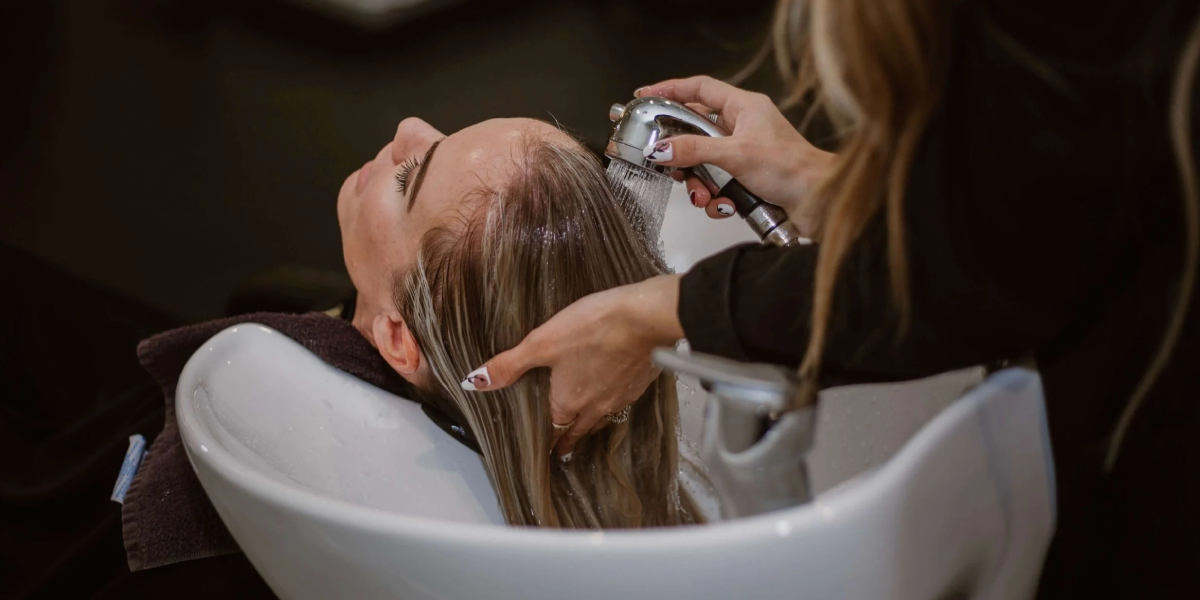
Start with a targeted best shampoo for hair breakage that uses gentle, sulphate-free surfactants like sodium cocoyl isethionate. Heavy sulfates strip essential oils, forcing the cuticle to flare open and snag. Wash primarily at the scalp and let the suds rinse down the lengths.
Step 2: Deep Conditioning and Bond Repair
After cleansing, apply a damaged hair repair product rich in hydrolysed proteins (wheat, soy, or silk) or bond-repairing molecules (like bis-aminopropyl diglycol dimaleate). Hydrolysed proteins temporarily fill microscopic gaps in the cuticle, restoring tensile strength.
- Fine Hair: Use a lightweight protein spray or mask once every two weeks.
- Coarse or Coily Hair: Use a deep moisturizing butter mask enriched with shea or argan oil weekly.
Step 3: Moisture Retention and Detangling
Apply a leave-in conditioner to wet hair to lock in hydration. Always detangle starting from the ends and working up to the roots using a wide-tooth comb or a flexible detangling brush.
Step 4: Protective Styling and Drying
Ditch heavy terry-cloth towels. Wrap your hair in a microfiber towel or cotton T-shirt to absorb excess water without lifting the cuticle. When air-drying isn’t an option, use a blow dryer with a diffuser attachment on low-to-medium heat.
Best Products for Hair Breakage Prevention
Choosing the right formulas simplifies hair breakage treatment. Here are the product categories recommended by the stylists at Salon Essentials:
1. Bond-Building Treatments
- How They Work: Reconnect broken disulfide bonds inside the hair cortex.
- Best For: Bleached, highlighted, or chemically processed hair.
- Application: Apply as a pre-shampoo treatment 1–2 times weekly.
2. Hydrolysed Protein Masks
- How They Work: Attach to damaged areas of the cuticle layer to temporarily fill gaps.
- Best For: High-porosity, limp, or overly stretchy hair.
- Application: Use after shampooing; leave on for 10–15 minutes before rinsing.
3. Leave-In Heat Protectants
- How They Work: Form an insulating barrier around the hair shaft to slow down heat transfer.
- Best For: Anyone using blow dryers, flat irons, or curling wands.
- Application: Spray or smooth evenly over damp hair before applying heat.
4. Natural Sealant Oils
- How They Work: Coat the outer hair shaft to seal in moisture and reduce surface friction.
- Key Ingredients: Argan oil, jojoba oil, and marula oil.
- Application: Apply 1–2 drops to dry ends daily to smooth flyaways.
Common Hair Care Mistakes That Cause Breakage
Even well-intentioned routines can lead to damage if key technical errors are made.
- Brushing Wet Hair with Metal Brushes: Wet strands lack structural rigidity. Use a flexible wide-tooth comb or specialized wet brush instead.
- Sleeping on Damp Hair: Wet hair rubs against pillowcase fibers overnight, causing friction tangles and structural stress.
- Using Elastic Hair Ties with Metal Clasps: Metal fasteners catch and cut hair strands. Switch to silk scrunchies or spiral telephone-wire ties.
- Applying Heat Tools on Damp Hair: If you hear a sizzling sound while flat-ironing, you are boiling the moisture inside the cortex. Ensure hair is 100% dry before using hot irons.
- Over-Proteinizing: Excessive protein treatments without enough moisture make hair stiff and brittle, leading to more snapping.
Expert Hair Breakage Prevention Tips
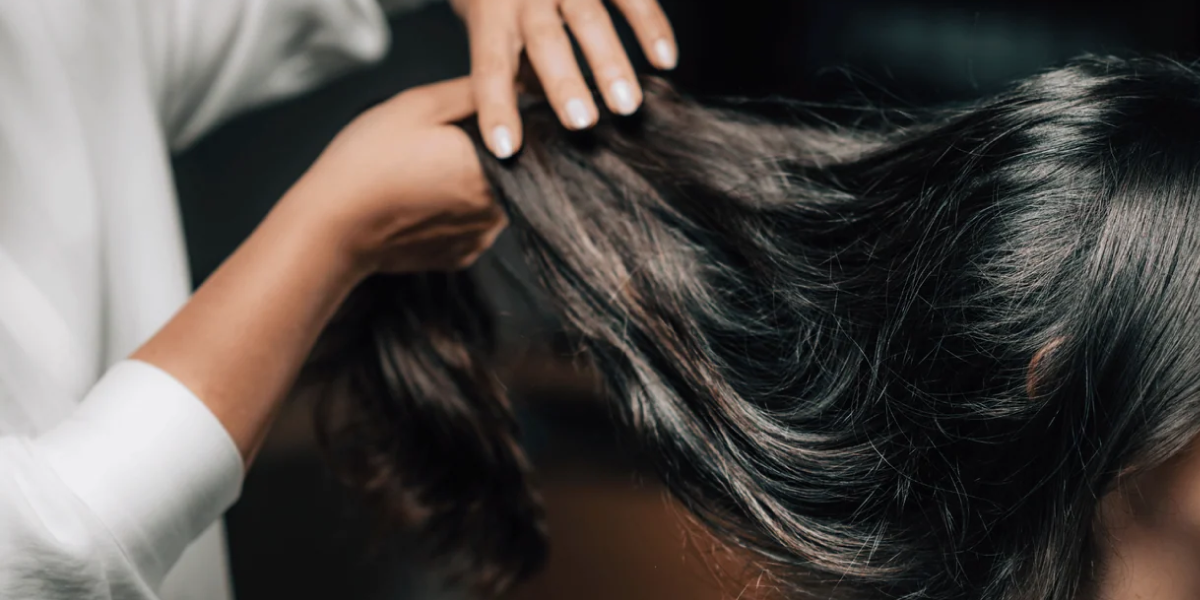
- Incorporate Micro-Trims: Don’t wait for split ends to become visible. Schedule a light trim every 6 to 8 weeks to remove split ends before they split further up the hair shaft.
- Rotate Style Heights: If you wear high ponytails or topknots daily, the elastic exerts stress on the same section of hair. Alternate between low buns, loose braids, and wearing hair down.
- Protect Hair Overnight: Wrap hair in a silk bonnet or use a 100% Mulberry silk pillowcase to eliminate fabric friction while sleeping.
- Use Hard Water Filters: Mineral deposits like calcium and magnesium in hard water attach to hair strands, making them stiff and prone to snapping. Installing a shower filter softens water and improves product absorption.
Frequently Asked Questions
What causes hair breakage?
Hair breakage is primarily caused by physical friction, excessive heat styling without protection, harsh chemical treatments (such as bleaching or relaxers), and severe lack of moisture. Nutritional deficiencies, lack of protein, and rough handling during detangling also play major roles.
What are the best products to prevent hair breakage?
The most effective damaged hair repair products include bond-building treatments, hydrolysed protein masks, leave-in heat protectants, and sulfate-free moisturizing shampoos. Look for ingredients like keratin, argan oil, amino acids, and ceramides.
Can hair breakage be repaired naturally?
While a completely broken hair strand cannot be glued back together permanently, you can stop hair breakage naturally by using natural oil treatments (like argan or jojoba oil) to seal moisture, using gentle handling, avoiding heat, and protecting hair with silk pillowcases.
How often should I trim my hair to prevent breakage?
To keep breakage from spreading up the hair shaft, trim your ends every 6 to 8 weeks. If you frequently style with heat or color your hair, every 6 weeks helps maintain clean, healthy ends.
Which hair care routine helps reduce breakage the most?
A balanced routine that combines gentle sulfate-free cleansing, weekly bond-building or protein-moisture masks, heat protection before styling, and low-manipulation night care provides the highest protection against breakage.
Strengthening Your Hair Routine
Learning how to prevent hair breakage is a continuous process that relies on gentle care, proper moisture-protein balance, and structural protection. By swapping out damaging habits for protective practices—such as using heat protectants, switching to silk accessories, and choosing targeted hair breakage treatments—you can protect your strands and grow longer, healthier hair. At Salon Essentials LLC, we craft hair care guides and curate professional-grade formulas to keep your beauty regimen effective and simple. Explore our full collection of damaged hair repair products today to restore your hair’s natural strength and shine.