

Have you ever scratched your head and seen white flakes falling on your shoulders? You might think it’s just dandruff, but sometimes it’s not that simple. Many people mix up dandruff vs dry scalp because both cause flakes and itching, yet they come from totally different reasons.
In short, dandruff happens when there’s too much oil and fungus on your scalp, while dry scalp happens when there’s not enough moisture. That’s the main difference: one is oily, the other is dry.
But here’s the tricky part. Both look almost the same from the outside. That’s why most people treat the wrong one and never get results. Don’t worry, though.
In this blog, we’ll talk in detail so you can tell which one you actually have, what causes it, and how to fix it the right way.
What is Dandruff?
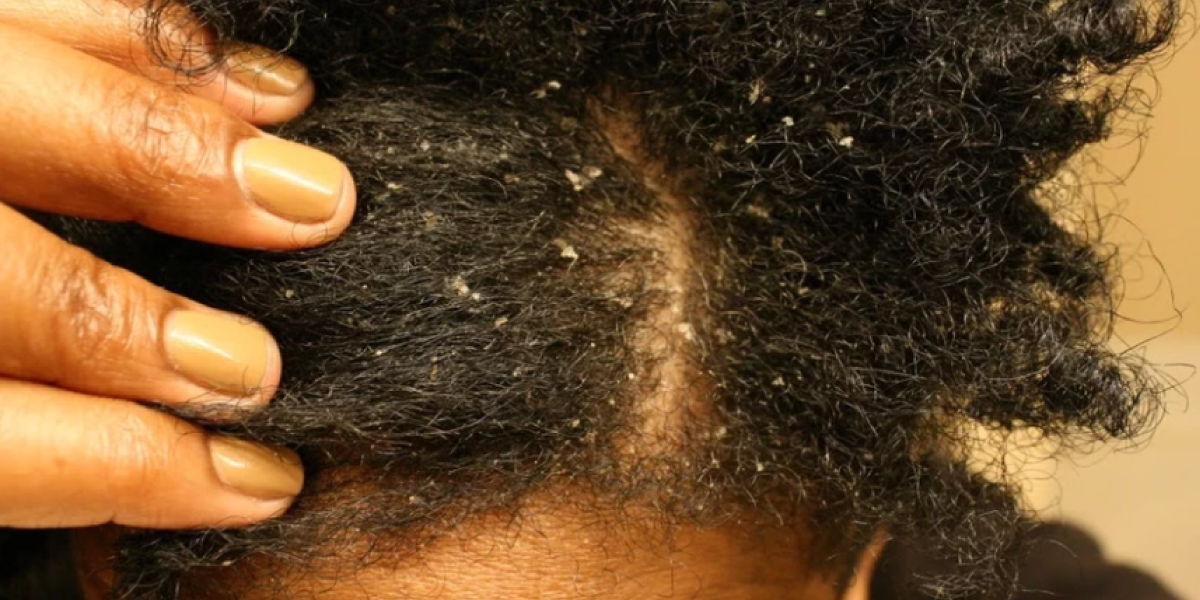
Dandruff is when your scalp sheds too many dead skin cells because of excess oil and fungal overgrowth. Normally, your scalp renews its skin slowly, but with dandruff, the process speeds up. This leads to bigger, oily flakes that are either white or yellow.
The main reason behind dandruff is a fungus called Malassezia. It lives naturally on everyone’s scalp, but sometimes it grows too much. When that happens, your scalp becomes irritated, itchy, and flaky.
Dandruff can make your scalp look greasy and can even cause redness.
What is Dry Scalp?
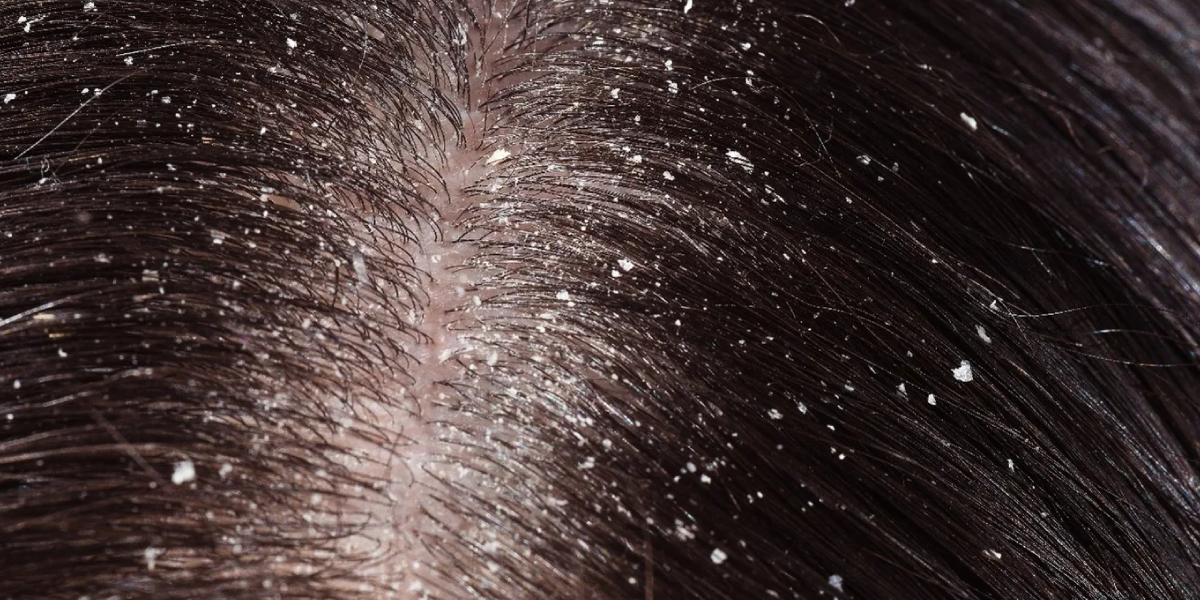
Dry scalp means your scalp doesn’t have enough moisture. Just like dry skin on your hands or face, your scalp can also become dry and tight. This leads to small, dry white flakes that easily fall off your hair or shoulders.
Dry scalp usually happens because of cold weather, over-washing, harsh shampoos, dehydration, or aging. It can also appear when you use products that remove the natural oils from your scalp. If your skin feels dry elsewhere, like on your arms or legs, that’s another sign your scalp might just be dry.
If you’re wondering which shampoo helps, try a moisturizing shampoo for a dry scalp. This could be the best shampoo for a dry scalp. It gently cleanses without stripping away natural oils.
Dandruff vs Dry Scalp: Main Difference
The key difference is simple: Dandruff = too much oil, Dry scalp = not enough oil. Dandruff flakes are larger, oily, and yellowish, while dry scalp flakes are smaller, dry, and white. Also, dandruff often comes with an oily scalp, while a dry scalp feels tight and rough.
Here’s a quick comparison of the differences between dandruff and dry scalp:
| Feature | Dandruff | Dry Scalp |
| Cause | Too much oil + Malassezia fungus | Lack of moisture |
| Flakes | Big, oily, white, or yellow | Small, dry, white |
| Scalp feel | Oily, sometimes red or itchy | Dry, tight, sometimes sore |
| Hair type | Often greasy | Often dry |
| Common in | Teenagers and adults | Anyone, especially in winter |
| Treatment focus | Control fungus and oil | Restore moisture |
You can also check some dry scalp vs dandruff pictures online. They help you easily spot the difference just by looking.
Causes of Dandruff
Dandruff happens when your scalp produces too much sebum (oil), and it mixes with fungus and dead skin. This mix irritates the scalp and makes skin cells shed faster.
According to the American Academy of Dermatology, researchers still don’t fully know what causes dandruff.
Common dandruff triggers include:
- Stress or hormonal changes
- Using heavy or oily hair products
- Weather changes, especially humidity
- Not washing hair often enough
- Sensitivity to hair care ingredients
- Skin conditions like seborrheic dermatitis
Sometimes dandruff also appears on other oily parts of the body, like eyebrows, sides of the nose, chest, or behind the ears.
Causes of Dry Scalp
Dry scalp mainly happens due to loss of moisture. When your scalp doesn’t have enough natural oil, it becomes dry and flaky.
Common reasons include:
- Cold, dry weather
- Hot showers or washing too often
- Shampoos with harsh chemicals or sulfates
- Dehydration (not drinking enough water)
- Aging or hormonal changes
- Skin conditions like eczema or psoriasis
You might also notice dry scalp when your hair looks dull or frizzy since it’s not getting enough oil from the scalp.
How to Tell If You Have Dandruff
Look for these signs:
- Big white or yellow flakes that stick to your scalp or hair
- Scalp feels oily or greasy
- Itchiness that doesn’t go away easily
- Sometimes redness or scaly patches
If flakes look oily and your scalp feels greasy, you likely have dandruff.
If interested, you can check out this guide to learn if dandruff causes hair loss.
How to Tell If You Have Dry Scalp
Dry scalp signs are a bit different:
- Small, light, white flakes that fall off easily
- Scalp feels tight or dry
- Hair looks dull and lacks shine
- You might notice dryness on your skin elsewhere, too.
If flakes get worse in winter or after washing too often, it’s probably dry scalp.
So when you think about dry scalp vs dandruff, just remember this: dry scalp itches more from tightness, dandruff itches more from oil buildup.
How to Treat Dandruff
To treat dandruff, you need to reduce oil buildup and control fungus.
Here are simple and effective ways:
- Use an Anti-dandruff Shampoo
Look for ingredients like:
- Pyrithione Zinc (Head & Shoulders)
- Selenium Sulfide (Selsun Blue)
- Ketoconazole (Nizoral)
- Coal Tar or Salicylic Acid (Neutrogena T/Gel or T/Sal)
These help control fungus and reduce flakes.
- Wash Hair Regularly
- Keeping your scalp clean helps control oil. But don’t overdo it. Gentle and regular washing works best.
- Avoid Heavy Styling Products
- These can trap oil and make dandruff worse.
- Manage stress
- Stress can trigger dandruff flare-ups. Try breathing exercises, yoga, or short walks.
- Sunlight helps
- A few minutes of sunlight may reduce fungus, but avoid long exposure.
If it still doesn’t improve after a few weeks, visit a dermatologist. They can suggest stronger medicated treatments.
How to Treat Dry Scalp
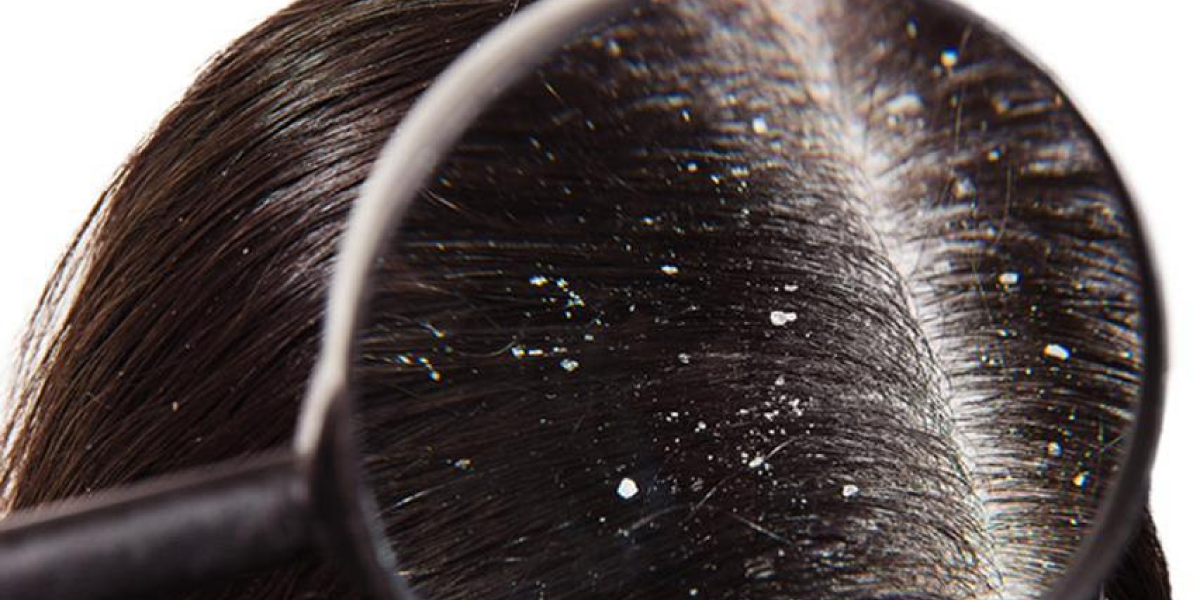
Dry scalp treatment focuses on restoring moisture and protecting natural oils.
Here’s what you can do:
- Use a moisturizing shampoo and conditioner
- Pick gentle, sulfate-free products made for dry scalp. They keep your scalp soft, add shine, and clear flakes slowly. You can try the Design Essentials Scalp and Skin Care Collection.
- Start with the Oil Hair and Body Moisturizer to add moisture and make your hair feel fresh. Then use the Moisturizing Oil Treatment to calm a dry scalp and bring back comfort.
- If your scalp feels itchy, go for the Therapeutics Anti-Itch Hair and Scalp Treatment. This is the best shampoo for a dry, itchy scalp. It cools the scalp and helps reduce flakes. For a clean, fresh feel, the Detoxifying Tonic also works really well.
- Use scalp oils
- Massage coconut, jojoba, or argan oil onto your scalp once or twice a week. Leave it overnight for deep hydration.
- Avoid hot water
- Wash hair with lukewarm water instead. Hot water removes natural oils.
- Reduce washing frequency
- Washing too often can dry out your scalp more. Wash 2–3 times a week if possible.
- Stay hydrated
- Drink enough water and use a humidifier during winter to keep moisture in the air.
- Use scalp serums or leave-in moisturizers
- These keep your scalp soft and balanced without making your hair greasy.
Can You Have Both Dandruff and Dry Scalp?
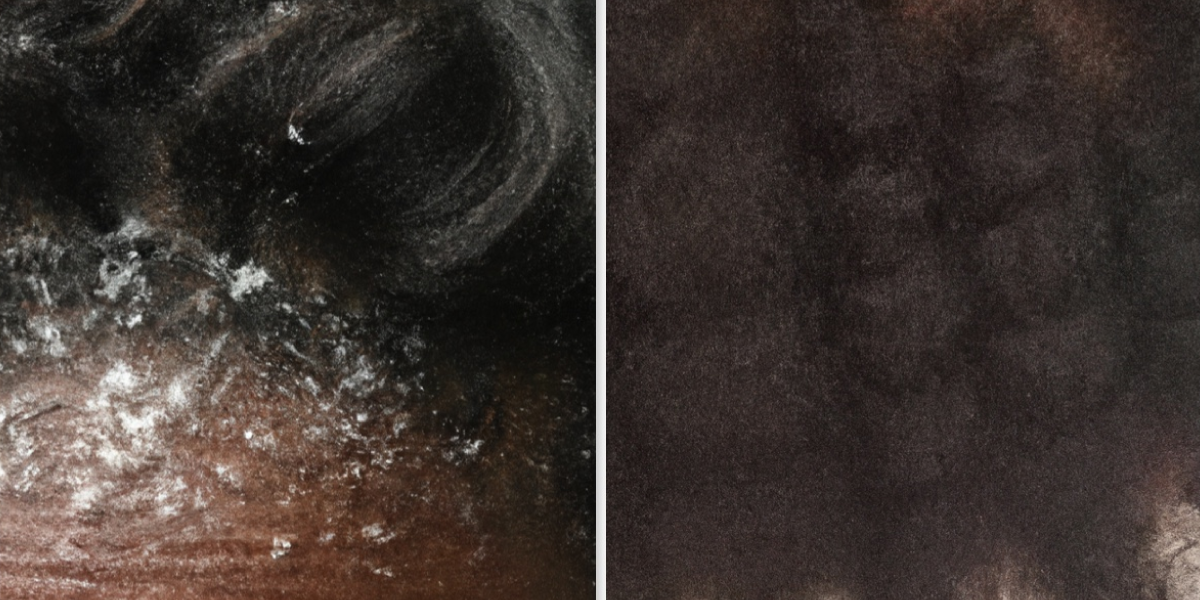
Yes, it’s possible to have both at the same time. For example, you may have oily roots with dandruff but dry ends and a tight scalp. That’s why it’s important to look at all your symptoms before choosing products. You might need a balanced haircare routine, like a mild antifungal shampoo once or twice a week and a moisturizing shampoo for a dry scalp on other days.
People often ask, “Does dry scalp cause dandruff?” The answer is, not directly, but if your scalp gets too dry and irritated, it can trigger flaking and itching that looks like dandruff.
So, taking care of moisture balance is super important.
When to See a Dermatologist
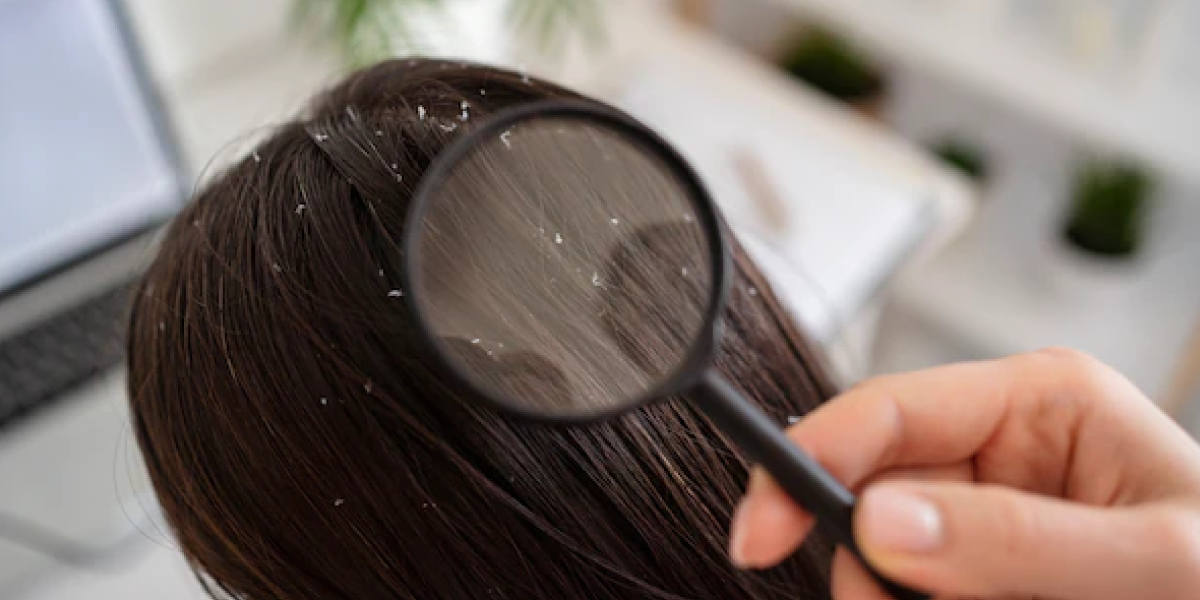
If your flakes don’t go away even after trying home remedies or medicated shampoos, it’s best to see a dermatologist.
You should also get checked if you have:
- Red, scaly patches
- Pain or swelling
- Crusty buildup
- Signs of infection or open sores
These could be symptoms of other scalp conditions like seborrheic dermatitis, psoriasis, or eczema.
Prevention Tips for a Healthy Scalp
Here are some easy habits to prevent dandruff or dry scalp in the long run:
To Prevent Dandruff
- Wash hair regularly to control oil
- Use anti-dandruff shampoo once or twice a week
- Avoid heavy or oily hair products
- Manage stress levels
- Spend a few minutes in sunlight daily
To Prevent Dry Scalp
-
- Use moisturizing shampoo for a dry scalp from a trusted source, like Salon Essentials products.
- Avoid hot showers
- Stay hydrated
- Protect your scalp from cold or windy weather
Wrapping Up – Dandruff vs Dry Scalp
In short, dry scalp and dandruff may look similar, but they come from opposite reasons: too much oil vs too little moisture. Knowing which one you have helps you choose the right care routine.
If your scalp feels oily and flakes are big and greasy, you’re likely dealing with dandruff. If your scalp feels tight, itchy, and flakes are small and white, it’s dry scalp.
With the right shampoo, regular care, and healthy habits, you can say goodbye to flakes and keep your scalp happy and balanced.
FAQs
|