
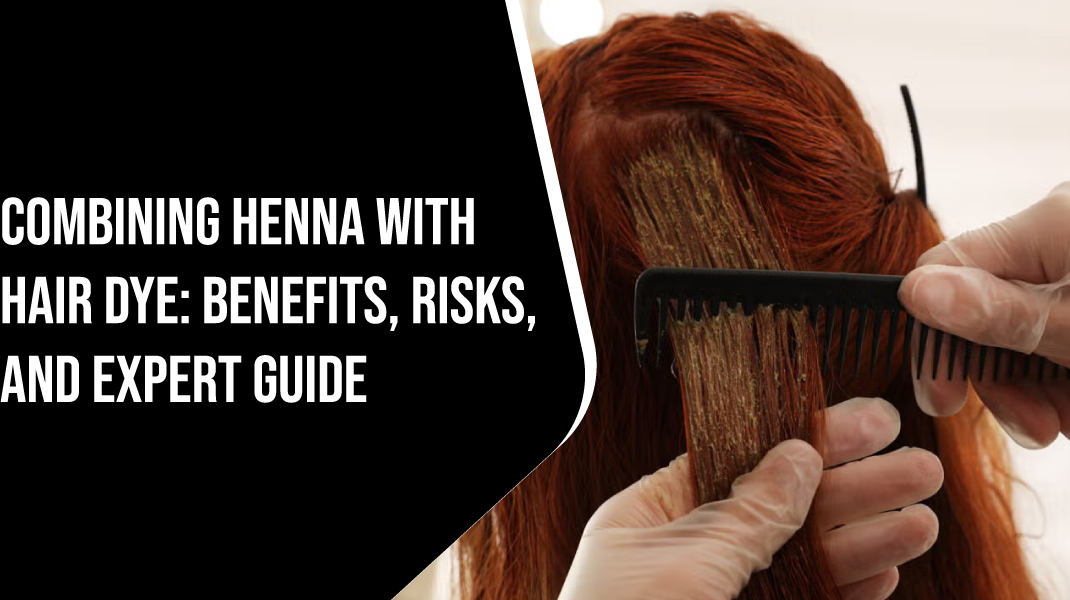
Few beauty topics stir as much debate among professional colorists as combining henna with hair dye. On one hand, pure henna is celebrated as an ancient, plant-based alternative that coats the hair shaft in rich, auburn tones while strengthening fragile strands. On the other, conventional oxidative hair dyes rely on synthetic pigments, ammonia, and hydrogen peroxide to penetrate deep into the cortex.
When these two completely different coloring philosophies meet, the results can range from multidimensional, custom tones to severe chemical reactions, including hair melting, smoking, or turning a bright shade of swamp green.
If you have hair colored with henna and want to switch back to traditional box dye—or if you are considering mixing henna and hair dye to achieve a unique custom shade—understanding the underlying chemistry is crucial. In this comprehensive guide, the beauty specialists at Salon Essentials break down what henna actually is, analyze the hidden dangers of metallic salts, detail safe application protocols, and explain how to transition between natural and synthetic pigments without ruining your hair.
Quick Guide to Henna with Hair Dye
What is the main risk of combining henna with hair dye?
Combining synthetic hair dye with henna containing metallic salts or metallic compounds can cause a violent chemical reaction. Hydrogen peroxide in synthetic dye reacts with metallic salts, resulting in extreme heat, smoking, rapid hair melting, severe breakage, and unpredictable color turns (such as bright green or blue).
Fast Facts: Henna vs. Synthetic Hair Dye
| Feature | Pure Herbal Henna (Lawsonia inermis) | Compound Henna / Black Henna | Synthetic Hair Dye (Oxidative) |
| Coloring Agent | Natural lawsone tannin molecules | Lawsone blended with metallic salts or PPD | Synthetic pigment precursors + peroxide |
| Action on Hair | Binds to keratin on the outer hair shaft | Coats shaft; metallic salts react with chemicals | Lifts cuticle; deposits pigment inside cortex |
| Chemical Compatibility | Safe with dye only if 100% pure | Extremely Dangerous with synthetic dye | Compatible with standard hair products |
| Color Removal | Permanent, nearly impossible to lift | Permanent; bleaching causes severe damage | Can be lifted with color removers or lightener |
5 Essential Safety Steps Before Dyeing
- Identify Your Henna Source: Confirm whether your past treatment was 100% pure body-art-quality (BAQ) henna or a compound henna mixture.
- Perform a Strand Test: Snip a small bundle of hair from an inconspicuous area and soak it in a mixture of developer and hair dye for 30 minutes.
- Check for Thermal Reactions: Watch the strand test closely for smoking, heat generation, or bubbling—signs of metallic salts.
- Use a Chelating Treatment: Apply a mineral-clearing detox shampoo to remove residual metal or mineral buildup from the hair shaft.
- Consult a Professional Colorist: Always inform your stylist if you have used any form of henna colouring hair within the last 2–3 years.
What Is Henna and How Does It Interact with Hair?
To evaluate the safety of hair dying henna against traditional hair coloring, it helps to understand whats henna on a molecular level and how its action compares to synthetic alternatives.
| Coloring Method | Active Compound | Hair Shaft Interaction | Final Physical Result |
| Pure Henna | Lawsonia inermis (Lawsone) | Migrates into outer cuticle and binds tightly to natural keratin protein | Acts like a protective varnish; adds thickness, shine, and translucent auburn tones |
| Compound Henna | Lawsone + Metallic Salts / PPD | Binds to keratin while depositing mineral salts and synthetic chemicals onto the shaft | Creates darker shades, but leaves reactive metallic compounds trapped in hair |
| Synthetic Dye | Precursors + Peroxide / Ammonia | Forces open the outer cuticle layer to strip melanin and deposit synthetic color into the cortex | Delivers precise, alterable shades, but temporarily weakens internal protein structure |
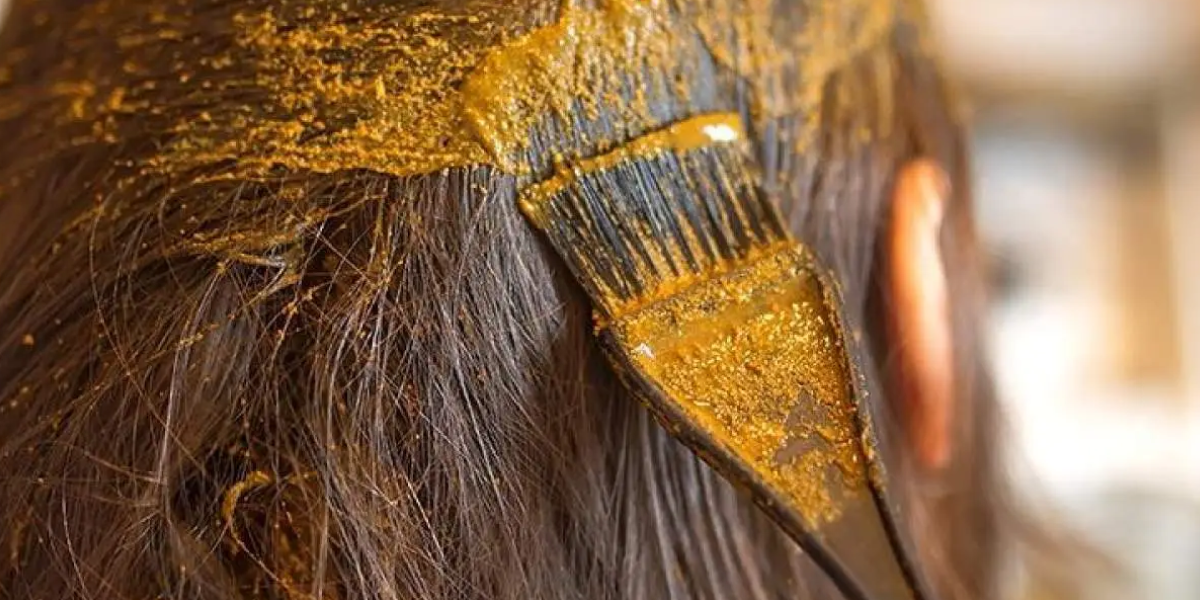
Pure henna is derived from the dried, powdered leaves of the Lawsonia inermis plant. The active dye component is lawsone (hennotannic acid), a red-orange compound that has a strong affinity for keratin proteins.
How Pure Henna Works
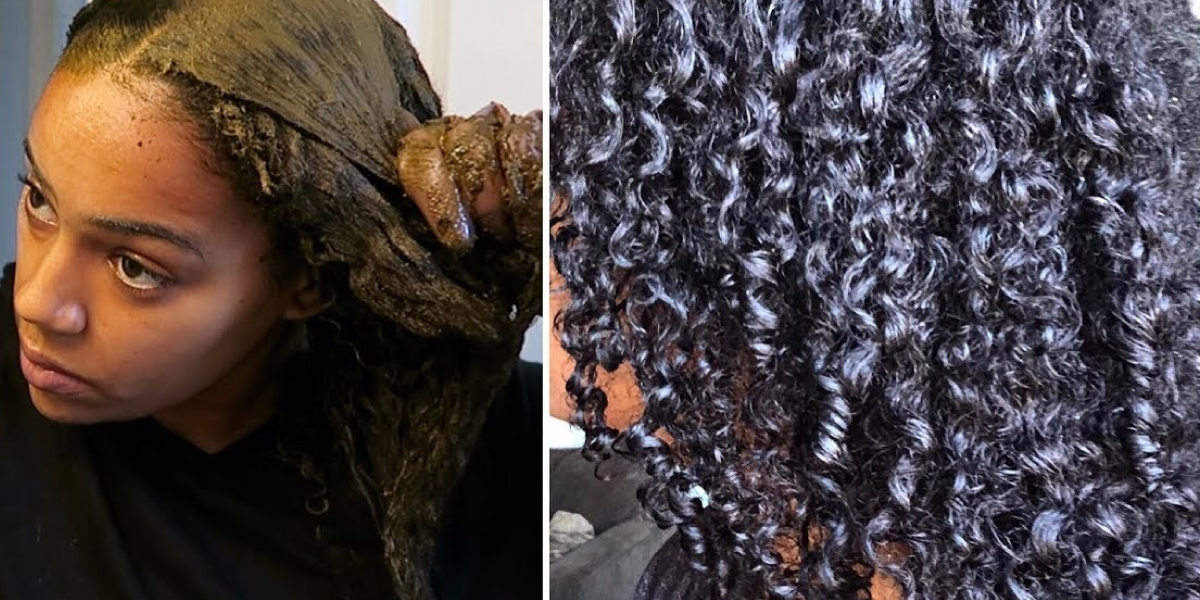
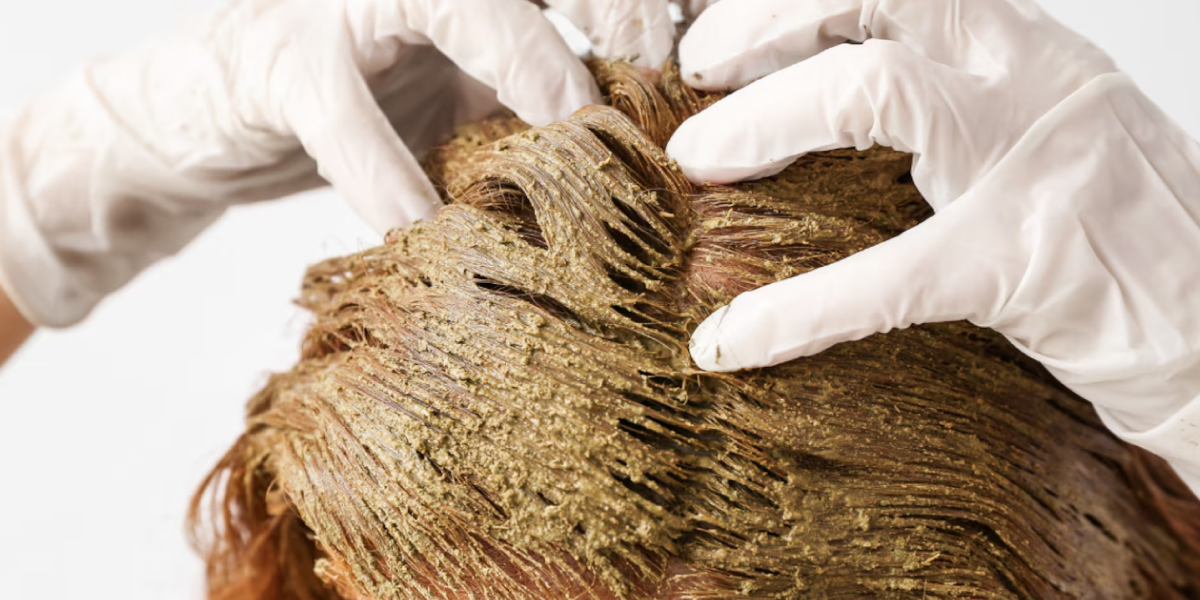
When pure henna paste is applied to hair, lawsone molecules migrate from the paste into the outer cuticle layer, binding tightly to the keratin. Unlike synthetic dye, pure henna does not break open the hair shaft or strip natural melanin. Instead, it acts like a translucent varnish over a wood grain:
- On light brown or blonde hair, it creates bright copper or fiery auburn tones.
- On dark brown or black hair, it yields rich mahogany undertones visible in sunlight.
- It adds structural density, temporary shine, and smooths the cuticle.
The Compound Henna Trap: Metallic Salts and PPD
The primary danger in henna for hair dying does not come from pure Lawsonia inermis, but from commercially packaged “compound hennas.” To offer shades like “jet black,” “ash brown,” or “burgundy,” manufacturers often add chemical additives:
- Metallic Salts: Compounds such as copper sulfate, iron, lead acetate, or nickel are added to alter the dye color and speed up processing time.
- PPD (Para-Phenylenediamine): Found in so-called black henna and hair dye blends, PPD is a powerful chemical allergen used to produce dark tones rapidly.
When hydrogen peroxide from standard permanent hair dye comes into contact with metallic salts trapped in the hair cuticle, an exothermic catalytic reaction occurs. This rapid oxidation generates extreme heat, causing hair to melt, snap off, or turn unnatural shades of green, blue, or purple.
Why Combining Henna with Hair Dye Matters
Navigating the intersection of henna and hair color is critical for anyone who frequently changes their look, covers gray hair, or visits professional salons.
| Scenario | Potential Risk Level | Likely Outcome |
| Pure BAQ Henna + Non-Ammonia Semipermanent Dye | Low | Subtle color shift, good gloss, no thermal reaction |
| Pure BAQ Henna + Bleach / High-Lift Developer | Moderate to High | Stubborn brassy/orange tone that is difficult to lift |
| Compound Henna (with Metallic Salts) + Permanent Dye | Extreme Danger | Hair smoking, melting, severe breakage, green tint |
| Synthetic Hair Dye followed by Pure Henna | Low | Deep warm tones; henna binds well over porous hair |
1. Salon Safety and Liability
Hairdressers rely on predictable chemical responses. When a client applies synthetic developer over unidentified metallic salts, the resulting damage can destroy the hair structure in minutes. This unpredictability is why many stylists refuse to work on hair previously treated with plant dyes without a signed waiver or extensive strand testing.
2. Color Unpredictability and Tonal Stacking
Because lawsone molecules bind permanently to keratin, henna creates an impenetrable warm base. Attempting to apply cool ash-blonde or icy brunette synthetic dye over hennaed hair often yields muddy, brassy, or uneven results due to color theory conflicts—the underlying red-orange pigment constantly bleeds through synthetic tones.
Potential Benefits of Combining Henna and Synthetic Dye
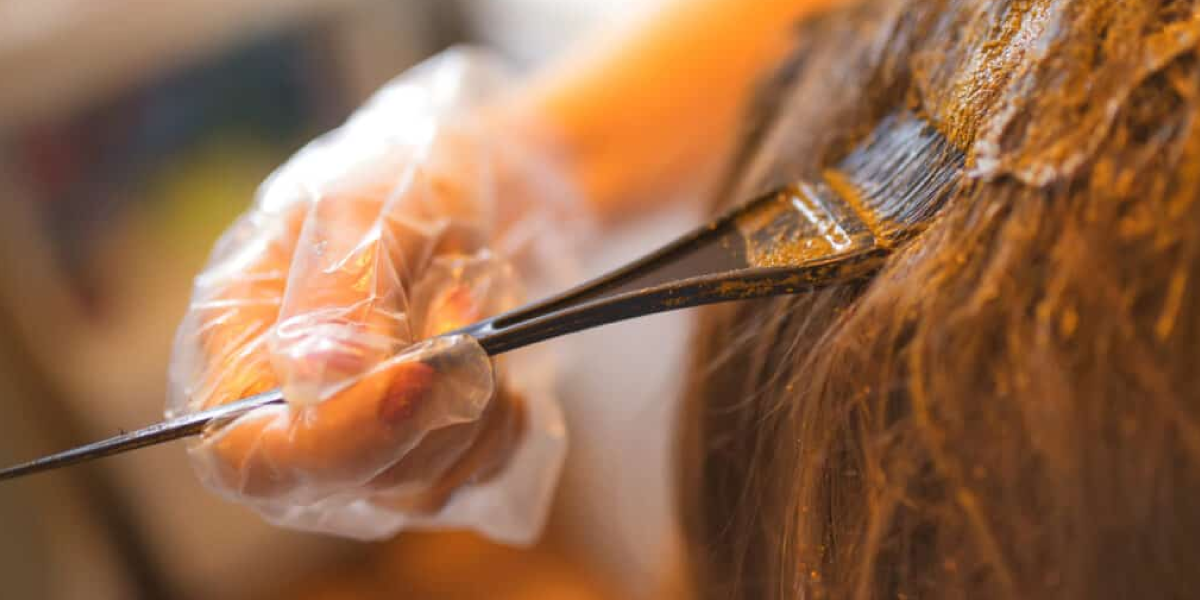
When done correctly, safely, and under controlled conditions (using strictly 100% pure body-art-quality henna), combining natural and synthetic color methods can offer a few unique beauty advantages.
1. Enhanced Hair Strength and Thickness
Pure henna coats the hair shaft, temporarily filling micro-gaps in damaged cuticles. For individuals with fine, fragile hair, applying pure henna prior to a gentle semipermanent synthetic gloss can provide added density and structural support that offsets the weakening effects of conventional coloring.
2. Multi-Dimensional Custom Color
Blending natural indigo, pure henna, and gentle demi-permanent synthetic dyes allows experienced colorists to create deep, multi-tonal brunette and auburn shades that resist fading better than synthetic dyes alone.
3. Natural Conditioning Base
Pure henna acts as a natural conditioning treatment. When paired with ammonia-free, oil-based synthetic glazes, the hair retains exceptional shine, smoothness, and seal against humidity.
Common Mistakes When Mixing Henna and Hair Dye
Avoiding catastrophic hair damage comes down to recognizing common missteps before applying any product to your scalp.
| Application Mistake | Root Cause | Direct Consequence |
| Skipping the Strand Test | Assuming past henna was 100% pure without verification | Risk of extreme heat generation, hair smoking, or strand melting |
| Treating All Henna as Natural | Buying retail box henna with unlisted additives or fillers | Exposure to toxic metallic salt reactions when using synthetic dye |
| Bleaching Compound Henna | Attempting to lift dark metallic dye with lightener | Severe chemical breakage, gummy texture, and emerald green tint |
| Over-Processing Gray Roots | Layering synthetic dye directly over indigo-henna blends | Unpredictable blue, teal, or muddy gray color distribution |
Mistake 1: Assuming All Henna Is Pure
Many store-bought box hennas labeled “100% Natural” still contain metallic compounds or synthetic dyes as unlisted fillers. Always verify that your henna source lists a single ingredient: Lawsonia inermis.
Mistake 2: Applying Bleach directly over Unknown Henna
Bleaching hair treated with compound henna triggers an immediate chemical reaction with metallic residues. The hair shaft can heat up rapidly, steam, and dissolve, leaving behind gummy, severely damaged strands.
Mistake 3: Over-Processing Gray Hair with Indigo Blends
Attempting to cover stubborn grays by mixing synthetic dye over henna-indigo blends often results in green or blue roots. Indigo oxidizes differently than henna and synthetic pigments, making gray coverage tricky without step-by-step color correction.
Mistake 4: Skipping the Strand Test
Never apply a full head of synthetic hair dye over old henna without testing a hidden strand of hair first. A 30-minute strand test is the only foolproof way to detect metallic salt contamination before it touches your head.
Step-by-Step Process: How to Safely Transition Between Henna and Hair Dye
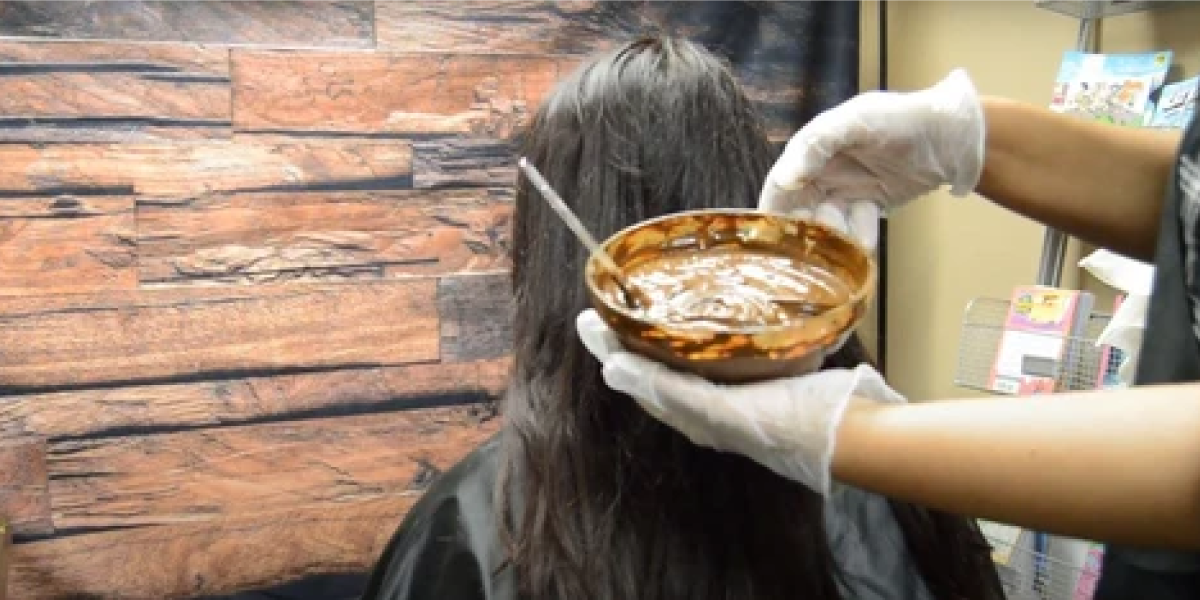
If you currently have henna in your hair and wish to transition back to synthetic hair color, follow this professional safety protocol.
| Phase | Duration / Timing | Action Step | Purpose |
| Phase 1: Detox | Weeks 1–3 (3–4 washes) | Wash with chelating / clarifying shampoo | Strip surface minerals, oils, and metallic traces |
| Phase 2: Oil Extraction | Weeks 2–4 | Apply warm coconut or olive oil masks | Loosen surface lawsone pigment bonds |
| Phase 3: Strand Testing | Day before coloring | Snip a 1-inch hair sample and apply target dye | Test for heat, breakage, or green discoloration |
| Phase 4: Color Application | Day of coloring | Apply ammonia-free demi-permanent color | Deposit pigment gently without aggressive lifting |
Step 1: Perform the Mineral Clarifying Detox
Wash your hair 3–4 times over two weeks using a professional chelating or clarifying shampoo. Chelating shampoos contain ingredients like EDTA that bond to heavy metals, calcium, and mineral residues, helping to wash them away from the hair cuticle.
Step 2: Use Hot Oil Treatments to Fade Pigment
While pure henna is permanent, deep oil treatments (using warm virgin coconut, jojoba, or olive oil) left on under a plastic cap for 1–2 hours help break down surface residue and fade excess color intensity naturally.
Step 3: Conduct the Clarifying Strand Test
Snip a small, 1-inch bundle of hair from the nape of your neck. Secure the end with tape. Mix 1 tablespoon of your intended synthetic hair dye or lightener with developer, submerge the hair strand, and observe closely for 30 minutes:
- If the strand gets hot, smokes, or turns green/blue: Compound metallic salts are present. Do not apply synthetic dye. You must wait for the hair to grow out or consult a professional for specialized mineral removal.
- If the strand stays cool and processes to a normal shade: The henna is pure, and you can proceed with caution.
Step 4: Apply Deposit-Only Color
When transitioning from pure henna to synthetic dye, avoid high-lift formulas or strong bleaches initially. Opt for deposit-only demi-permanent hair color that matches or deepens your tone while your natural hair grows out.
Best Practices and Expert Tips for Color Compatibility
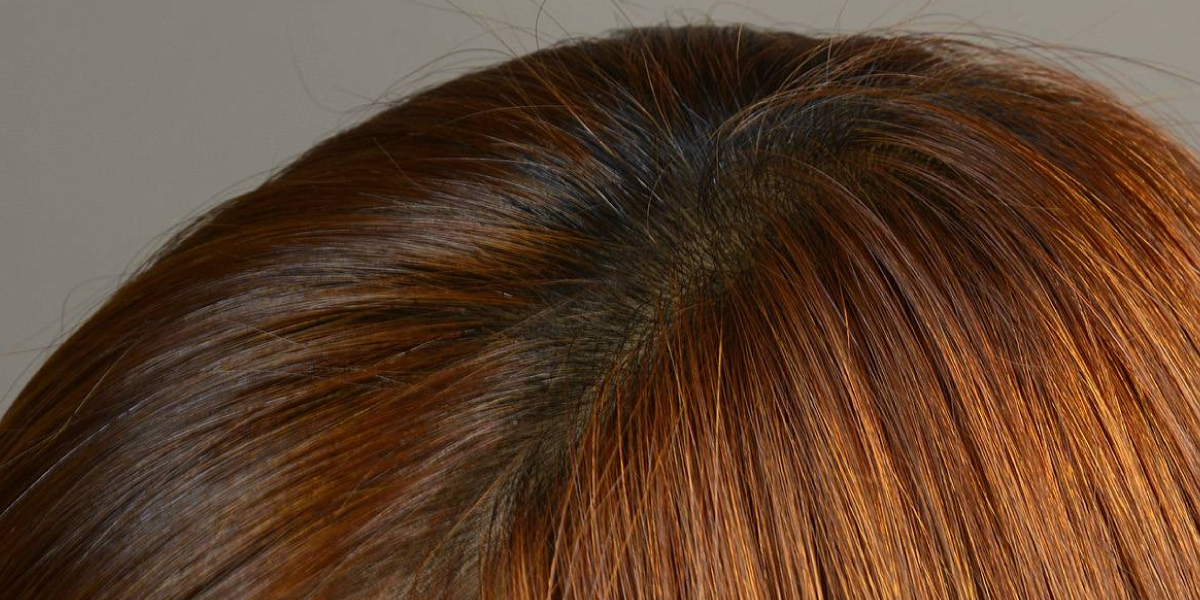
- Keep a Hair History Log: Write down the exact brand, ingredient list, and application date of every henna or dye product you use.
- Choose Body-Art-Quality (BAQ) Henna: Look for finely sifted, pure Lawsonia inermis imported from reputable regions (such as Rajasthan or Yemen) intended for body art, as these are strictly free from metallic salts.
- Use Color Wheel Principles for Correction: If pure henna leaves your hair overly orange, use a green- or blue-based cool ash toner to neutralize unwanted warm tones gently.
- Moisturize Between Color Sessions: Henna acts as a protein-like treatment that can leave hair feeling stiff if moisture is lacking. Alternate your color sessions with deep moisturizing masks rich in fatty acids and aloe vera.
Frequently Asked Questions
Is it good to dye your hair with henna?
Dyeing your hair with pure body-art-quality henna can be very beneficial if you want permanent warm auburn tones without synthetic chemicals. Henna coats the cuticle, adds natural shine, increases strand thickness, and strengthens weak hair. However, it is virtually permanent and difficult to lift, making future color changes challenging.
Can you mix henna with hair dye?
You should never directly mix liquid synthetic hair dye into raw henna powder in the same bowl. However, you can apply synthetic dye over hair previously colored with henna only if the henna was 100% pure and completely free of metallic salts. Always perform a strand test first to prevent chemical reactions.
What is the downside of henna in hair?
The main downsides of henna include its permanent nature, unpredictable reaction with synthetic hair dyes, limited color range (it only deposits orange-red tones), and potential to dry out certain hair textures. Additionally, if compound henna containing metallic salts was used, applying synthetic color later can cause severe breakage or melting.
Why don’t hairdressers like henna?
Hairdressers often dislike working on henna-treated hair because of its chemical unpredictability and stubborn resistance to lifting. Many commercial henna products contain unlisted metallic salts that react violently with salon developers, causing heat, damage, and green tones. Furthermore, pure henna creates an impenetrable warm barrier that makes achieving cool blonde or dimensional brunette shades nearly impossible.
Making Safe Choices for Your Hair Journey
Mastering the relationship between henna with hair dye comes down to respecting chemical boundaries, identifying product ingredients, and prioritizing strand integrity. Whether you wish to embrace the strengthening benefits of natural plant dyes or transition back to versatile salon colors, taking the time to detox your hair and perform mandatory strand tests ensures your hair remains healthy, strong, and beautifully colored.
At Salon Essentials LLC, we empower your beauty regimen with expert product guides, honest advice, and salon-quality solutions. Explore our curated range of protective haircare essentials today to nourish your strands through every step of your hair care journey.