
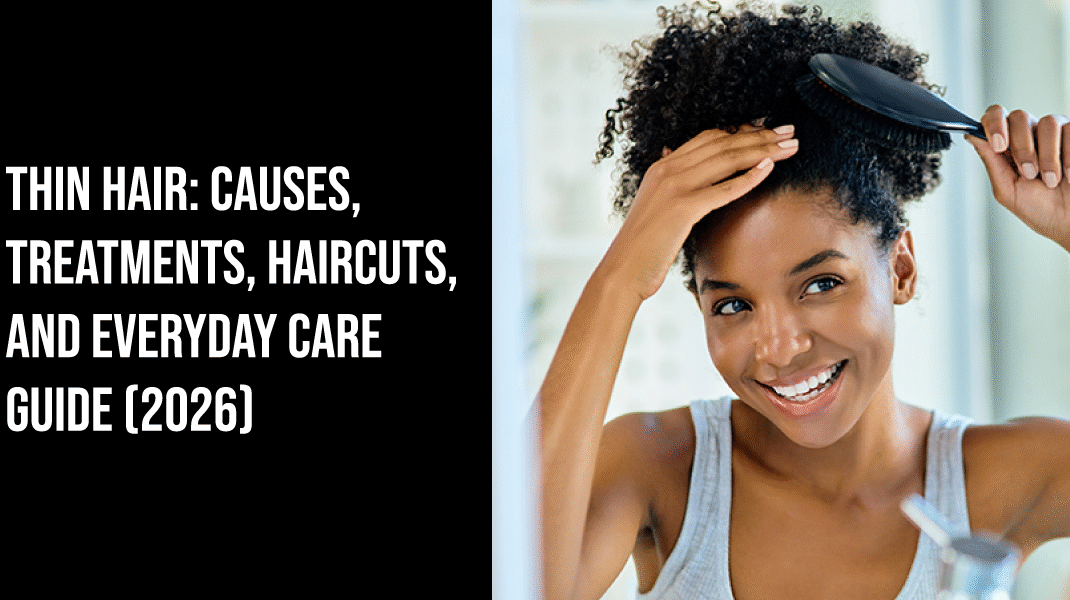
Have you ever looked in the mirror and noticed your hair looking a little flat or see-through at the ends? That’s what we call thin hair: when your strands are fine, light, and sometimes lack volume or thickness.
It can happen for many reasons, like genetics, stress, or even the way you style and care for your hair. But the good news is that there are simple ways to make thin hair look fuller, stronger, and more lively again.
In this blog, we’ll talk about what causes hair thinning, how you can take care of it, and smart tips to add volume without damaging your strands. So, if your hair feels limp or lacks bounce, stay with us.
By the end, you’ll know exactly what to do to bring it back to life.
Why Understanding Thin Hair Matters
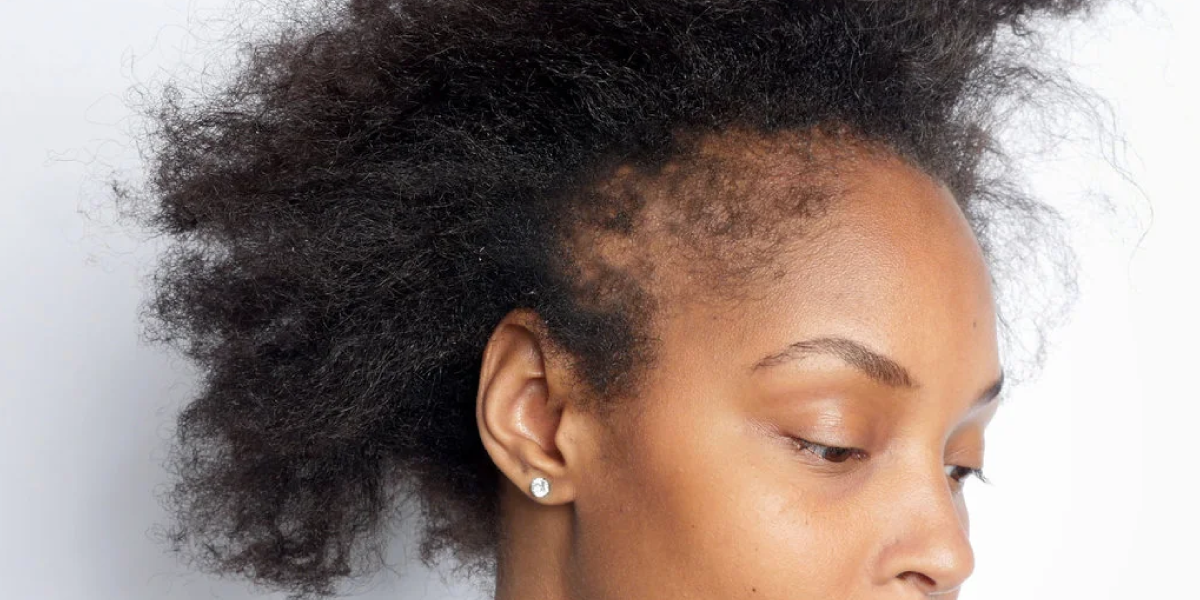
When you know the reason behind your thinning hair, you can take the right steps before it gets worse. Many people see results simply by changing their diet, haircare routine, or stress levels.
So, learning about it is the first step to regrowth. Knowing how to stop hair thinning early can save a lot of time and worry later.
What is Thin Hair?
Thin hair means your hair strands or density (number of hairs on your scalp) are less than usual. It doesn’t always lead to baldness, but it can make your hair look flat, weak, or patchy.
The good news is that it’s often manageable if you know what’s causing it. If you have thinning hair, don’t panic. Most people can improve it with the right care and simple hair loss treatment at home.
Common Causes of Thin Hair
Let’s show you the primary reasons behind hair thinning.
1. Genetics
If thinning runs in your family, you might experience hereditary hair loss (androgenetic alopecia). It happens gradually and often starts around the crown or temples. This kind of hair loss and hair thinning usually needs early care.
2. Hormonal Changes
Pregnancy, menopause, or thyroid problems can change hormone levels and trigger hair thinning. These are common reasons for hair loss in women.
3. Nutritional Deficiencies
Low levels of iron, vitamin D, zinc, or protein can weaken hair growth. Without proper nutrients, hair becomes weaker and starts thinning.
4. Stress
Emotional or physical stress can push hair into a resting phase, which leads to sudden shedding. Many people notice hair loss or thinning hair after stressful life events.
5. Medical Conditions and Medications
Autoimmune diseases, chemotherapy, or skin conditions can directly affect hair growth and lead to hair thinning.
6. Improper Hair Care
Harsh chemical treatments, tight hairstyles, or heat styling can break your hair over time. This type of damage can make your hair thin and weak.
How to Know If You Have Thinning Hair
You might notice more hair on your pillow, comb, or shower drain. Your part may look wider, or your ponytail may feel thinner. Losing 50–100 hairs daily is normal. More than that could mean hair thinning. If this sounds familiar, it’s time to think about how to fix thinning hair before it spreads more.
12 Best Ways to Stop Thin Hair Issues
If you are wondering how to reduce hair thinning or what kind of hair loss treatment works best, try these easy and proven methods.
1. Scalp Massage
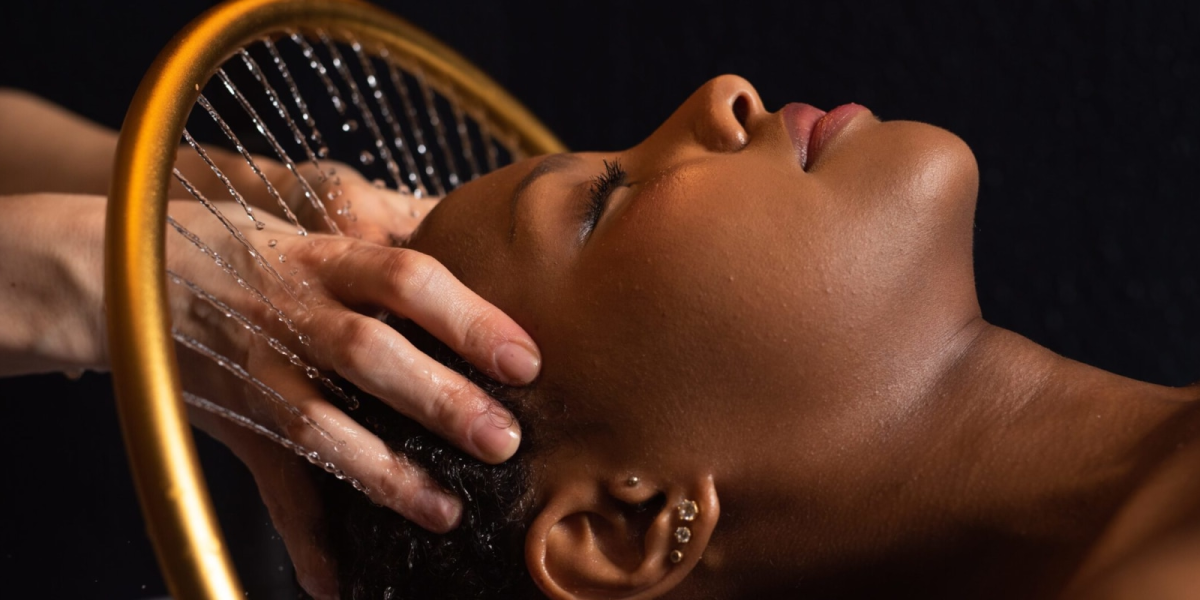
Scalp massage boosts blood flow to hair follicles. Use your fingertips or a soft scalp massager daily for 5 minutes. Pros: Easy and free. Cons: Won’t fix medical causes.
2. Essential Oils
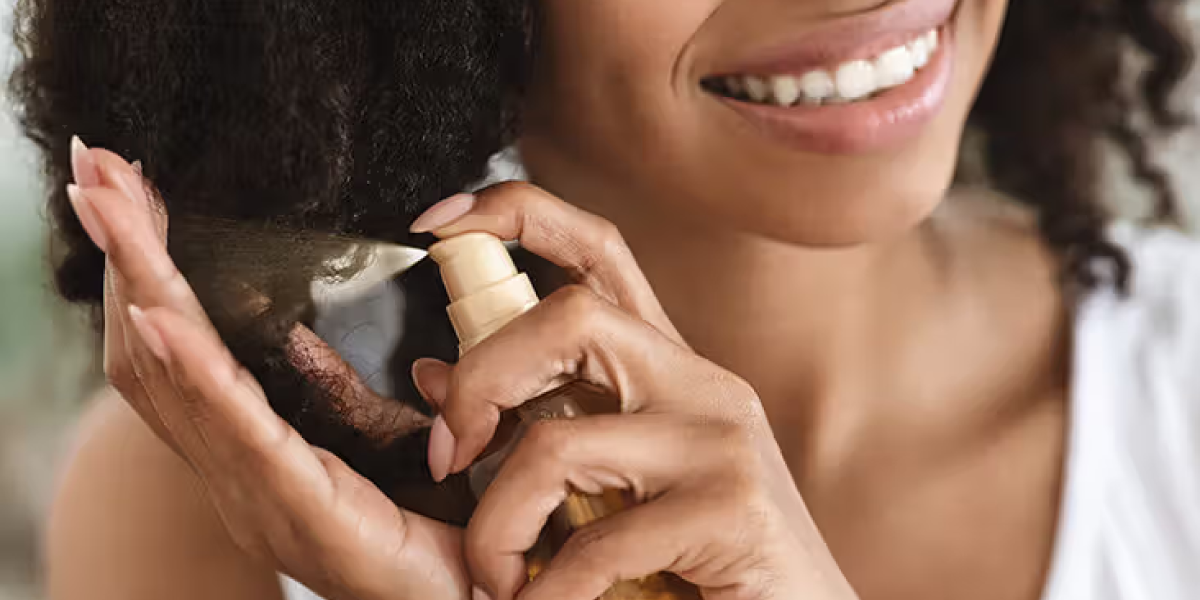
Try diluted rosemary or lavender oil with coconut oil. They can support scalp health and reduce hair thinning. Tip: Always do a patch test first.
3. Anti-Thinning Shampoo
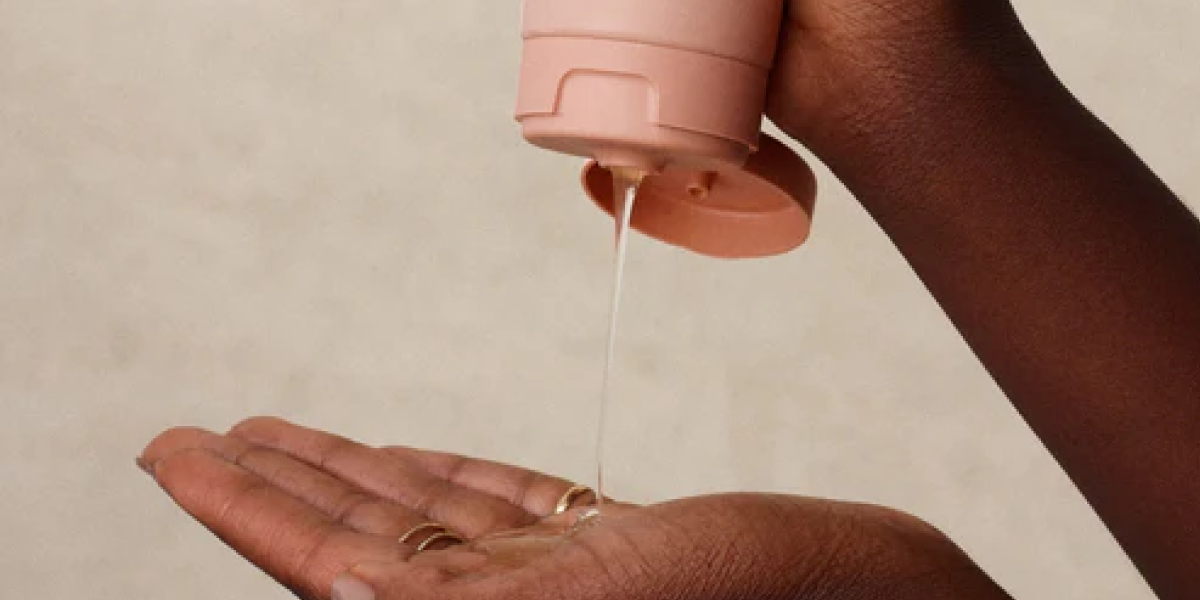
Pick shampoos with biotin, caffeine, or keratin. They give instant volume and nourish your scalp. Tip: Massage gently while washing. These can be your first step in a simple hair treatment thinning routine.
4. Multivitamins

If your diet lacks nutrients, take a balanced multivitamin (with zinc, iron, folate) after consulting your doctor. It helps control thinning hair naturally.
5. Folic Acid Supplements

Folic acid supplements help new cell growth and may support hair production. It’s one of the easiest ways to support hair loss treatment from the inside.
6. Biotin
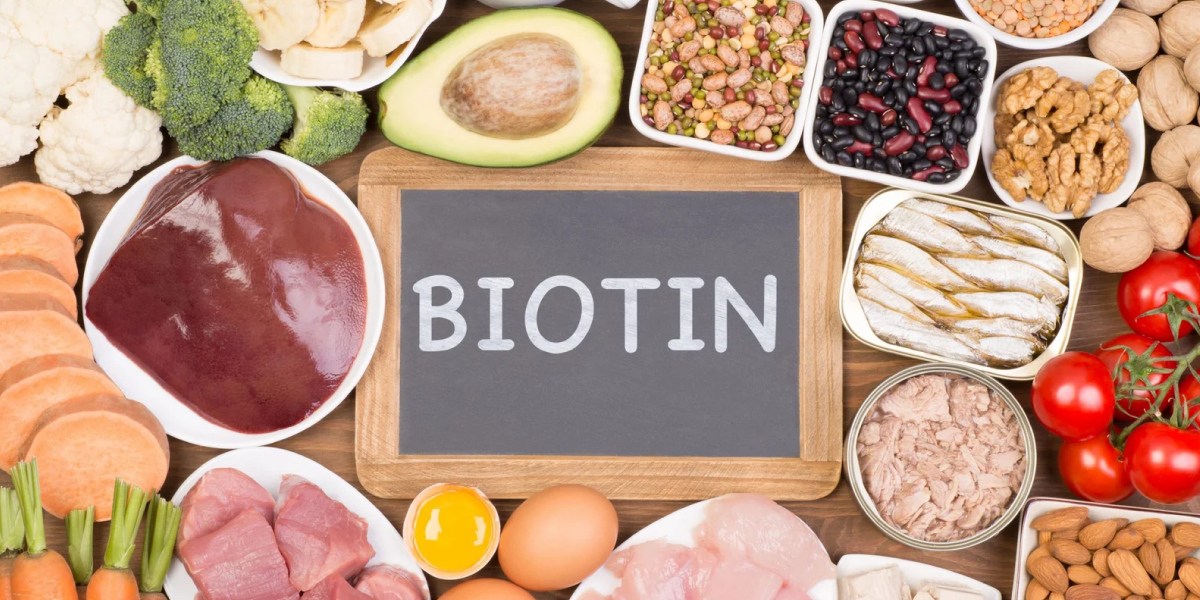
If you want to know how to stop hair thinning fast, biotin works wonders. Often found in hair growth gummies, biotin supports keratin strength. Works best if you have a biotin deficiency.
7. Omega-3 and Omega-6 Fatty Acids
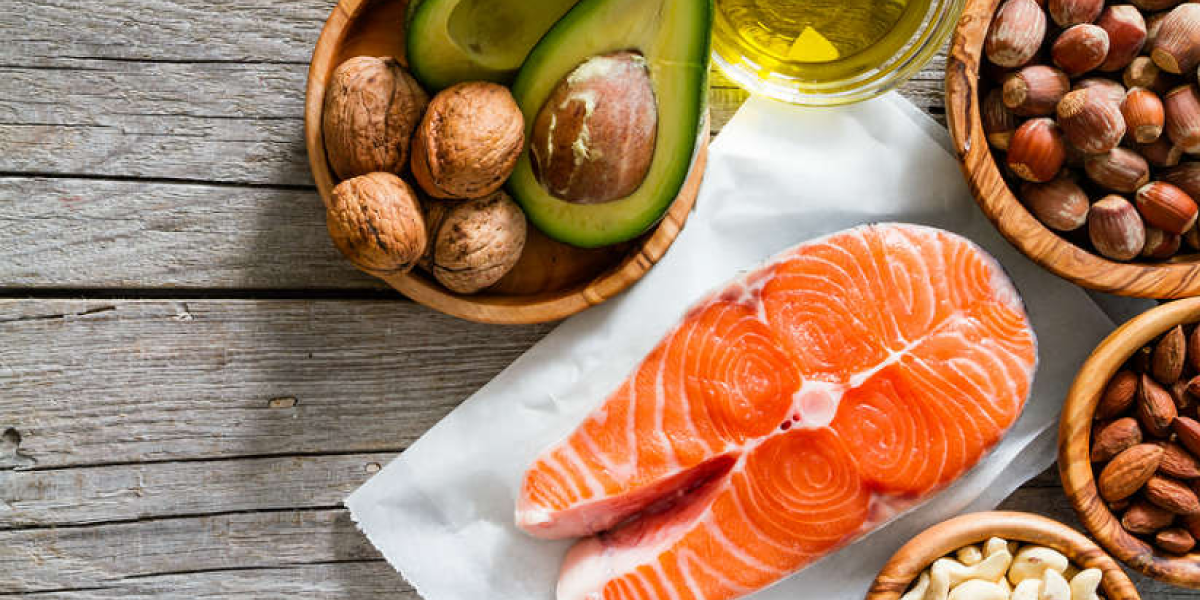
These healthy fats fight scalp inflammation. Found in fish oil, chia seeds, and walnuts. Great for improving hair thickness over time.
8. Minoxidil (Rogaine)
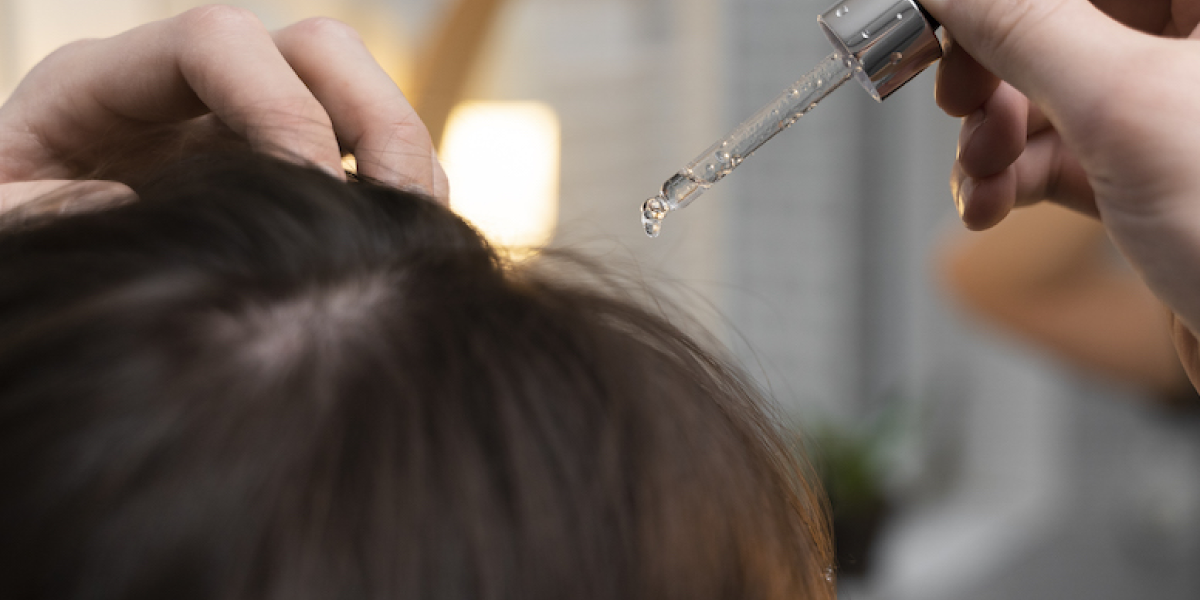
FDA-approved topical treatment that helps regrow hair over months. Apply twice a day as directed. A trusted option for hair loss and hair thinning.
9. Spironolactone
Prescription medicine that helps women with hormone-related thinning. Often used as a hair loss treatment for women with hormonal imbalances.
10. Finasteride
A daily oral tablet mainly for men, approved for hereditary hair loss. Helps stop further thinning.
11. Corticosteroids
Used for autoimmune-related hair thinning, usually prescribed by a dermatologist. These can help if you’re unsure how to fix thinning hair caused by inflammation.
12. At-Home Laser Therapy
Laser combs or caps stimulate follicles for regrowth. Takes time, but safe for home use. Perfect for anyone looking for a non-invasive hair treatment thinning option.
Daily Habits to Slow or Reverse Thinning Hair
Eat balanced meals rich in protein and vitamins. Avoid smoking. Sleep well and manage stress through meditation or walking. Wash your hair regularly but gently.
Plus, protect your hair from heat and avoid tight hairstyles. These small habits can make a big difference if you want to know how to reduce hair thinning naturally.
Besides, you can check out this guide to learn the best shampoo and conditioner for thinning hair.
Best Haircuts for Thin Hair
If your hair feels thin or flat, the right haircut can make a huge difference. Some cuts can instantly make your hair look fuller and more lively. Let’s go through some easy haircut ideas that actually work for thin hair.
Should Thin Hair be Layered?
Go easy with layers. Too many layers can make your hair look even thinner. A one-length cut, like a blunt bob, gives your hair a thicker look. You can add a few soft layers near your face to shape it nicely. It’s a great trick if your hair is thinning a bit.
Does Thin Hair Look Better Short or Long?
Shorter hair usually looks thicker. Styles like shoulder-length bobs or pixie cuts add volume and lift. Long hair can sometimes look heavy and flat, which makes thin areas more visible.
Best Cuts for Thin Curly Hair
A rounded layered bob or curly shag adds bounce and movement. These styles keep your curls light and full, so your hair looks more alive.
Best Cuts for Thin Dyed Hair
Go for a choppy bob or a blunt cut. These styles keep the color bold and the hair looking fuller. They also make it easier to hide thin spots.
Best Cuts for Thin Straight Hair
Try a sharp, even cut with curtain bangs. This adds a clean shape and makes your hair look thicker. Straight hair looks best when it’s cut neatly and evenly.
Best Cuts for Thin Gray Hair
Pixie cuts or chin-length bobs are perfect. They give gray hair a stylish and fuller look. Plus, they’re easy to manage and always look neat.
Thinning Hair in Women – Special Section
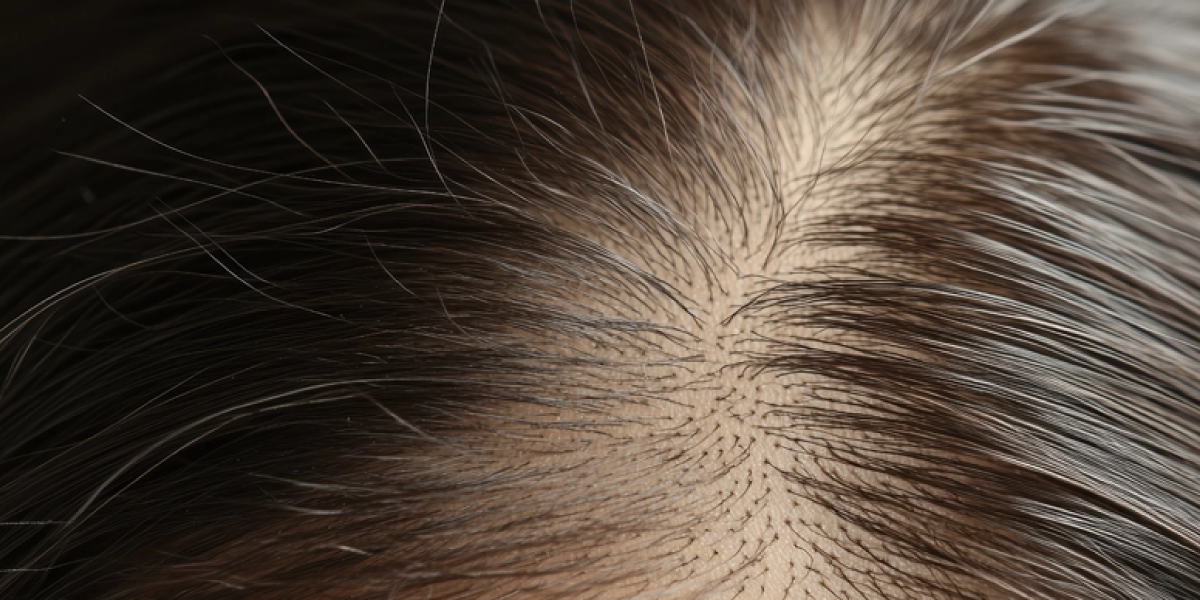
In women, hair thinning often starts after pregnancy, menopause, or thyroid problems. Hormonal imbalance and stress are big triggers. Treatments include minoxidil, PRP therapy, or low-level laser light. Always consult a dermatologist before starting any treatment. Most hair loss in women is treatable with consistent care and early action.
When to See a Doctor or Dermatologist for Hair Thinning
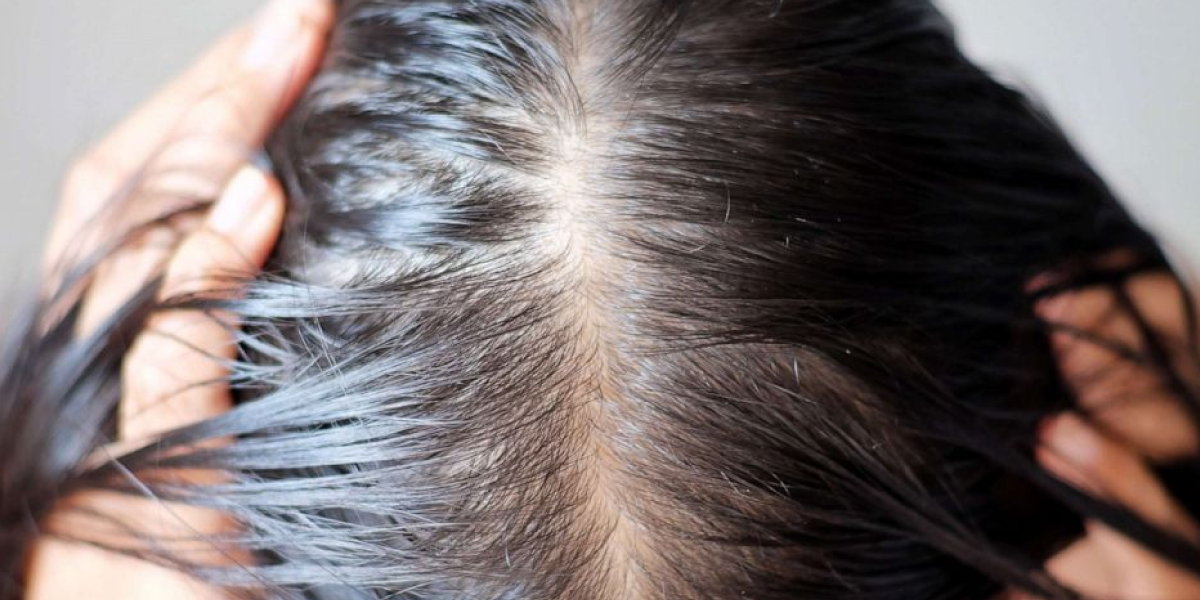
If your hair suddenly sheds in clumps, or you notice bald patches or scalp irritation, see a doctor. They can test your hormones, thyroid, and nutrient levels to find the exact reason. Medical advice is crucial when regular natural hair loss treatments don’t help with your thinning hair.
Simple Natural Remedies You Can Try at Home
Here are simple natural remedies for you to try at home.
- Aloe vera: Soothes scalp and strengthens roots.
- Onion juice: Boosts growth (use once weekly).
- Green tea rinse: Fights inflammation.
- Coconut oil: Moisturizes and prevents breakage.
- Rosemary water: Improves circulation naturally and helps reduce hair thinning.
|
At Salon Essentials LA, we make it easy to care for thin hair with the right shampoos, conditioners, and treatments. Shop now and start fixing thinning hair today! |
Do’s and Don’ts for Thin Hair Care
These small do’s and don’ts can help you slowly fix thinning hair and make your scalp healthier again.
| Do: | Don’t: |
| ✔ Eat healthy food
✔ Use mild shampoos ✔ Massage your scalp regularly ✔ Trim split ends ✔ Stay hydrated |
✘ Use excessive heat or bleach
✘ Keep tight hairstyles ✘ Skip meals or a crash diet ✘ Ignore sudden hair shedding |
Wrapping Up – You Can Improve Thin Hair Naturally
Thin hair is common and nothing to feel embarrassed about. With the right diet, gentle care, and the right haircut, you can make your hair look and feel thicker again. Be patient. Small daily habits often bring the best long-term results.
So if you’ve been searching for how to stop hair thinning or how to fix thinning hair, remember that consistency always wins.
FAQs
|