
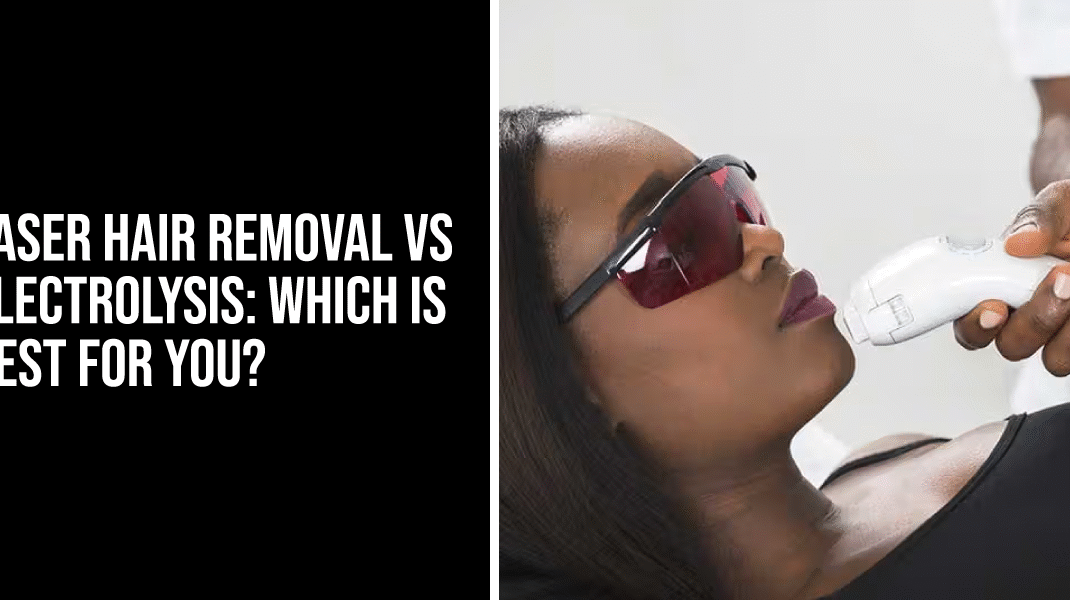
Are you tired of the constant struggle with shaving, waxing, or plucking unwanted hair? It can be frustrating, time-consuming, and sometimes even painful. If you want a long-term solution, understanding laser hair removal vs electrolysis can help you decide which method is right for you.
Both treatments target the hair follicle, but they work in very different ways. Each has its own strengths, ideal candidates, and limitations depending on your hair type, skin tone, and personal goals.
Here, we will break down everything you need to know about these two treatments so you can make the right decision and enjoy smooth, hair-free skin.
What is Laser Hair Removal?
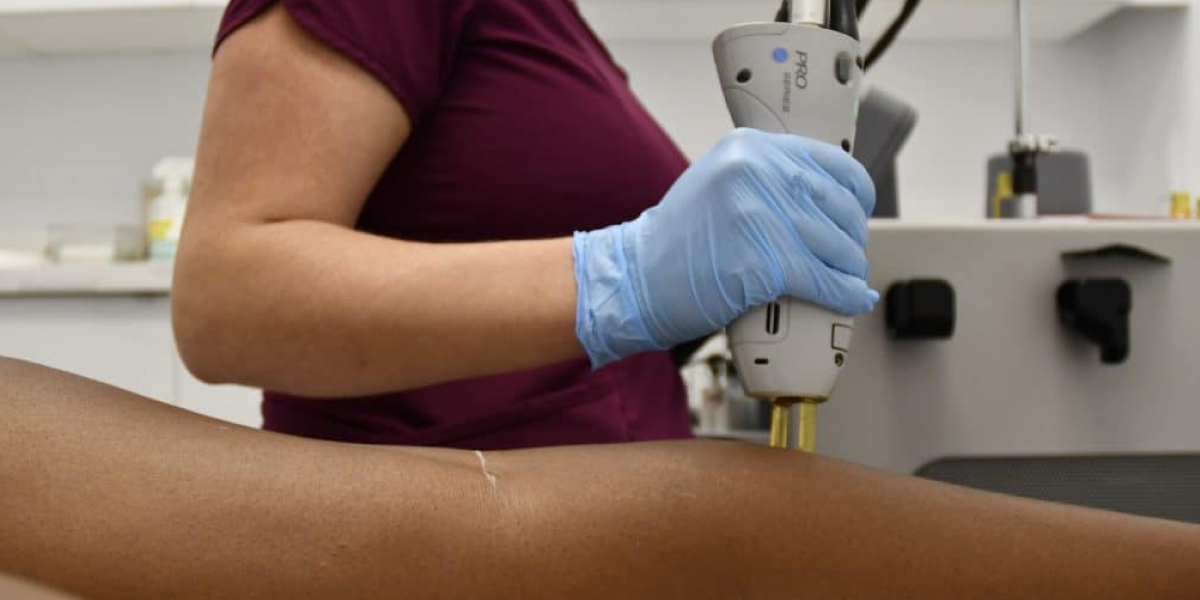
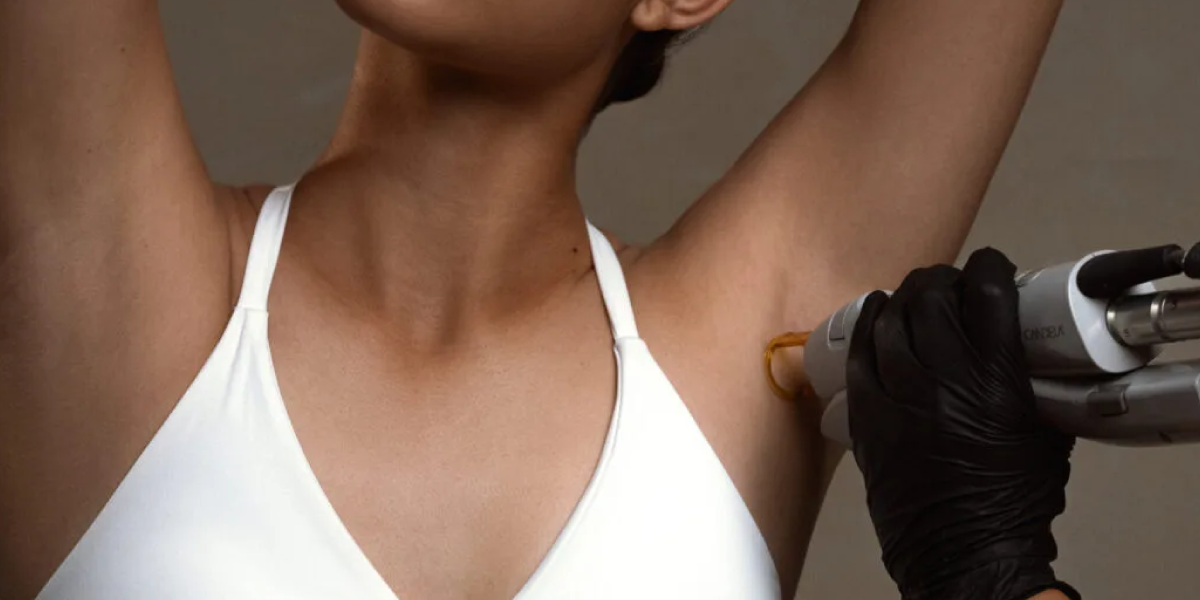
Laser hair removal basically uses focused light energy to target the pigment in hair follicles. The laser converts light into heat, which damages the follicle and slows down hair growth.
Key Facts About Laser
- Works super best on dark hair and light to medium skin
- Reduces up to 80-90% of hair after multiple sessions
- Treats large areas quickly, like legs or back
- Requires 4–8 sessions, plus occasional maintenance
- Results are long-term reduction, not permanent removal
How It Feels: Many describe it as a rubber band snap on the skin. Cooling technology makes it more comfortable.
Side Effects: Redness, swelling, mild irritation, and rare pigment changes. These usually disappear within hours or a few days.
What is Electrolysis?
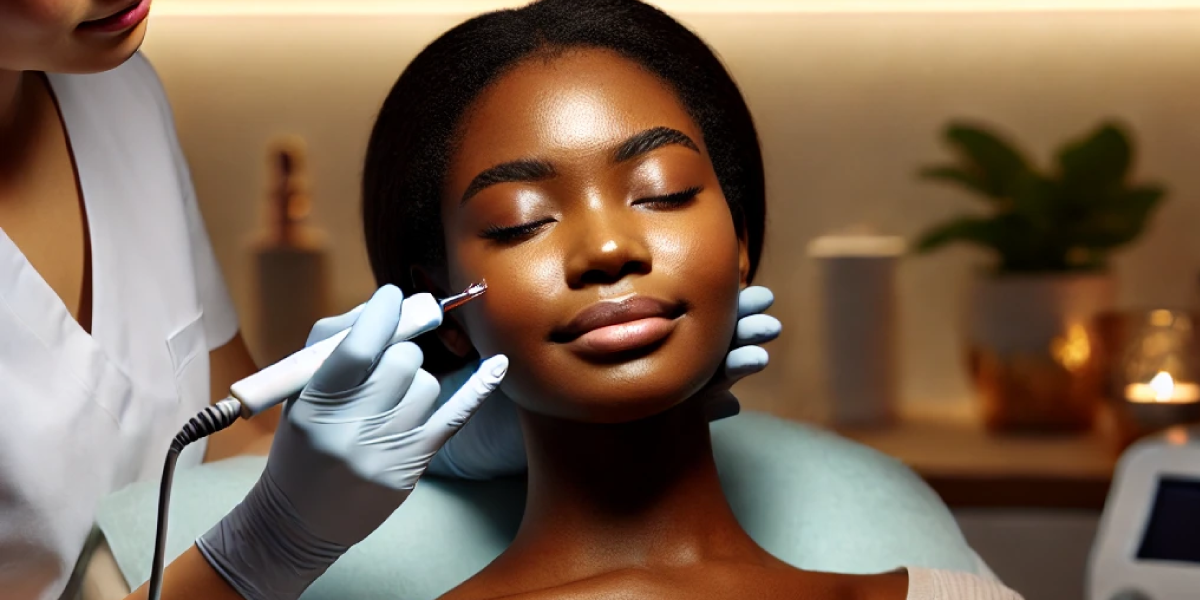
Electrolysis is a permanent hair removal method approved by the FDA. It works by inserting a thin probe into each hair follicle and delivering an electric current to destroy the root. Once destroyed, the follicle cannot grow hair again.
According to Richards and Meharg (J Am Acad Dermatol, 1995;33(4):662-6, PMID: 7673501), electrolysis can remove hair permanently and safely if done correctly.
The blend method gives the best results. Shaving a few days before treatment makes it more effective, and those with hormonal hair growth may need extra medical care.
Key Facts About Electrolysis
- Works on all hair colors, including gray, white, red, and blonde
- Works on all skin tones
- Treats each hair individually
- Requires 15–30+ sessions, depending on area and hair density
- Permanent results with no maintenance needed
How It Feels: Feels like stinging or pricking, sometimes compared to a light tattoo sensation.
Side Effects: Redness, mild swelling, infection if done incorrectly, and rare scarring. Using a certified electrologist reduces risk.
Key Differences: Laser Hair Removal vs Electrolysis
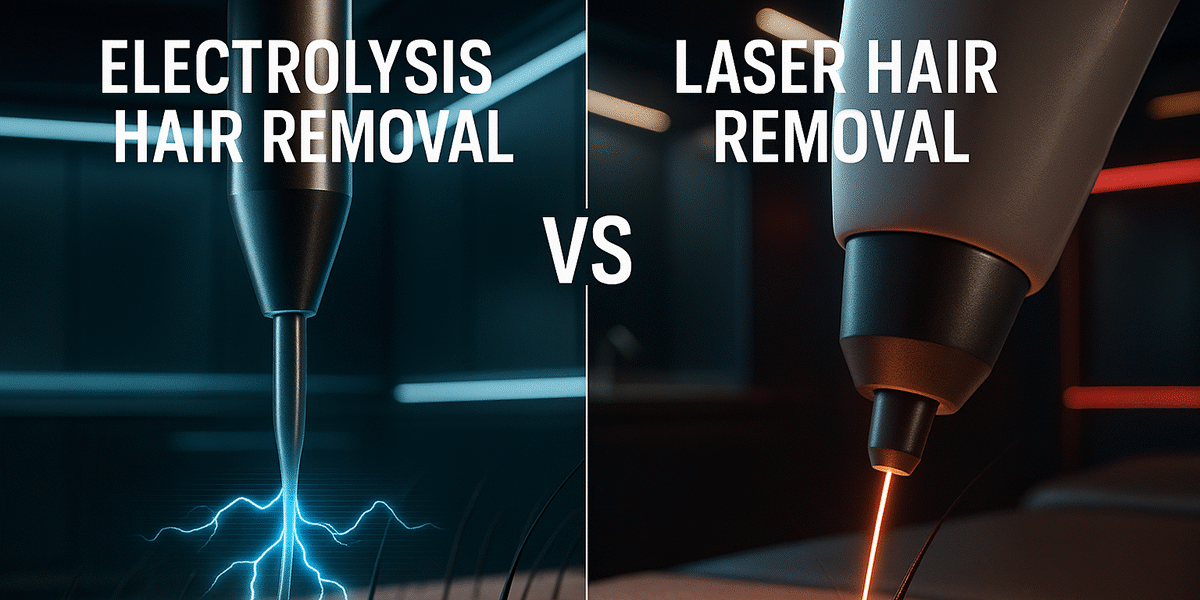
Now, let’s show you the overall key differences between electrolysis and laser hair removal.
| Feature | Laser Hair Removal | Electrolysis |
| Permanence | Long-term hair reduction, not 100% permanent | Permanent hair removal (FDA-approved) |
| Hair Color | Works best on dark hair | Works on all hair colors, including gray, white, red, blonde |
| Skin Tone | Best for light to medium skin | Works on all skin tones |
| Treatment Speed | Fast; treats large areas at once | Slow; treats each follicle individually |
| Number of Sessions | 4–8 sessions for large areas | 15–30+ sessions depending on area |
| Pain Level | Mild; rubber band snap | Moderate; stinging/pricking sensation |
| Cost | Mild; rubber band snap | More expensive for large areas due to more sessions |
| Side Effects | Redness, swelling, irritation, rare pigment changes | Redness, swelling, possible infection, rare scarring |
| Best For | Large areas, dark hair, faster results | Small or precise areas, light-colored hair, guaranteed permanent removal |
Who Should Choose Laser Hair Removal?
A laser hair removal treatment is ideal if you:
- Have dark hair and light to medium skin
- Want to treat large areas like legs, back, or bikini line
- Prefer faster results
- Want a more affordable long-term solution
Laser is especially helpful for:
- Legs
- Arms
- Back
- Underarms
- Bikini line.
Who Should Choose Electrolysis?
Electrolysis is ideal if you:
- Have gray, white, red, or blonde hair
- Want permanent results
- Need precise facial shaping
- Have stubborn hair on the chin or upper lip
- Are okay with a longer treatment timeline.
Electrolysis is often recommended for:
- Hormonal hair growth (like PCOS)
- Facial hair in gender transition
- Small, detailed areas requiring precision.
Can You Combine Both Laser Hair Removal and Electrolysis Treatments?
Yes! Many people combine treatments for the best results:
- Laser first: Reduce thick or dark hair quickly
- Electrolysis next: Remove remaining lighter hairs permanently
This combination saves time, reduces cost, and gives smooth, hair-free skin.
Treatment Timeline
| Laser Hair Removal: | Electrolysis: |
|
|
How Much Does Laser Hair Removal and Electrolysis Really Cost?
In the United States, laser hair removal typically costs around $150 to $400 per session, and a full course of 4–6 sessions can total roughly $600–$2,400 in the first year, plus occasional maintenance later.
Electrolysis usually costs about $50 to $125 per session, depending on time and area treated, and because many sessions are needed, the total can range from a few hundred dollars for small areas to thousands for larger areas.
In simple terms, laser costs more each visit but needs fewer visits, making it often more affordable for large areas, while electrolysis costs less per visit but needs many more, which can add up, especially on big areas.
Expert Advice
Dermatologists suggest:
- Large area + dark hair: Laser first
- Small area + light hair: Electrolysis
If you have darker skin, ensure the clinic uses lasers suitable for your skin tone. Always choose an experienced professional to reduce risks.
|
Want long-lasting, smooth results from your hair removal? At Salon Essentials LA, our soothing creams and aftercare products are specially made for sensitive body skin. Shop our collection today and keep your skin soft, calm, and hair-free! |
Wrapping Up
When deciding between laser hair removal vs electrolysis, both can give long-term results, but the best choice depends on your hair color, skin tone, area size, pain tolerance, budget, and how fast you want results. Laser is fast and cost-effective, especially for large areas and dark hair, while electrolysis is permanent and precise, making it better for small areas or light-colored hair.
Always consult a certified professional to create a plan that fits your needs so you can enjoy smooth, hair-free skin confidently.
FAQs
|