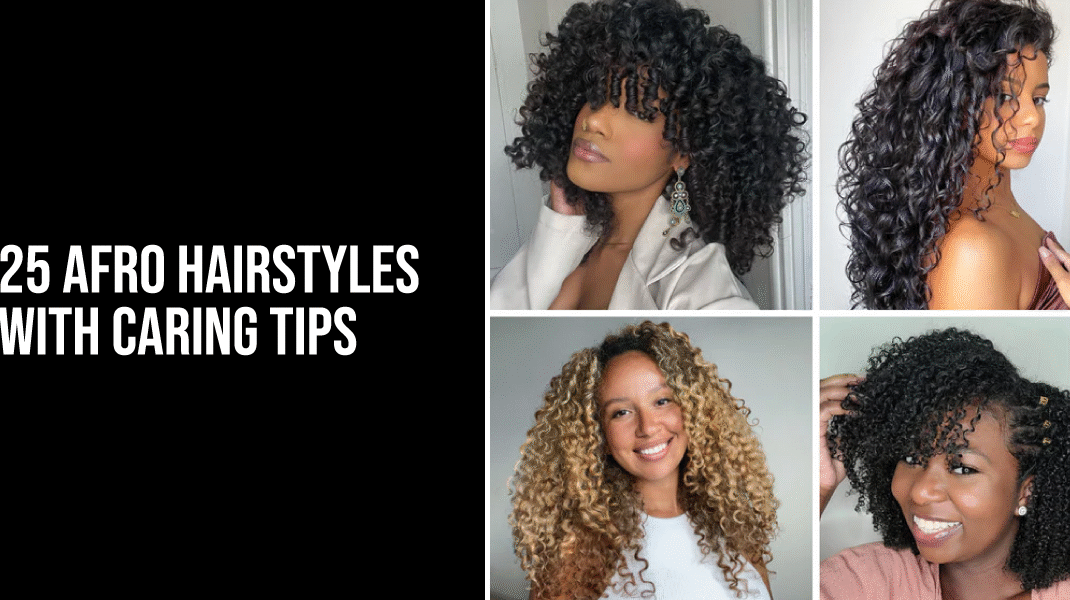
When we say Afro hairstyles, we simply mean hairstyles made for naturally curly, coily, or kinky hair. This hair type is usually Type 4 hair. It has tight curls, tight coils, or a zig-zag pattern.
Afro hair looks full, fluffy, and strong. It also needs moisture, gentle care, and protective styles to stay healthy. Now let’s go through all twenty-five Afro styles, one by one, each in detail.
Here we go.
Here are 25 Afro Hairstyles You Can Try
Now, let’s walk you through 25 Afro haircut styles, showing what the style is, what hair type fits it best, how to care for it, and what you should avoid.
1. Classic Afro
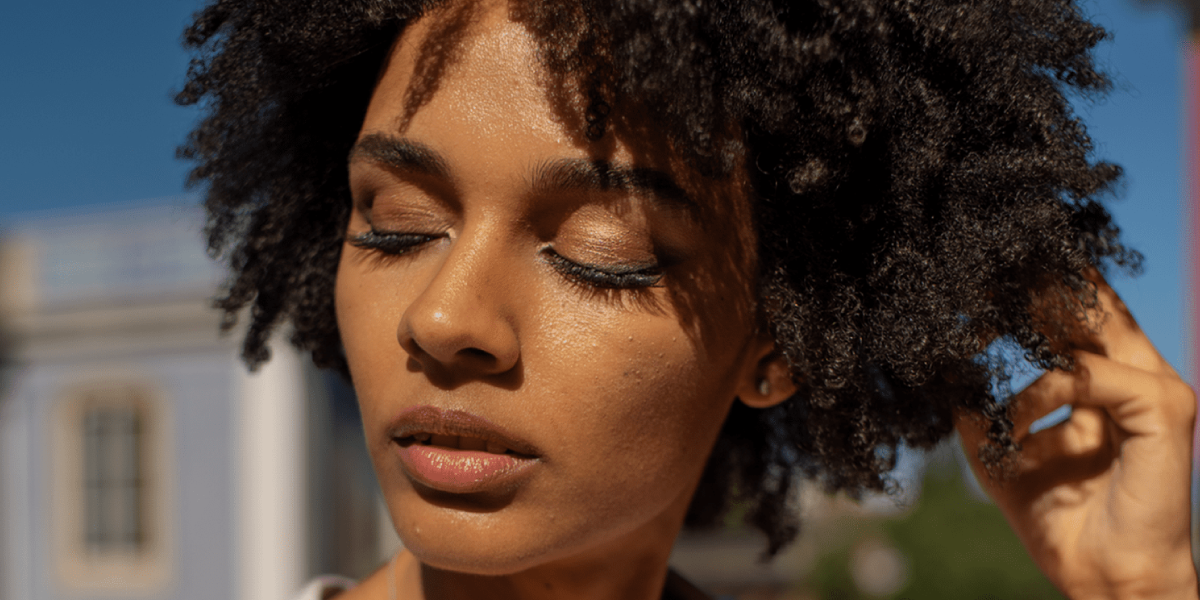
The classic Afro is a round, fluffy hairstyle where you let your natural curls or coils form a soft, full shape all around your head. It works well for Type 4 hair because the tight curls naturally create a lifted look once picked out.
To care for it, you moisturise it often, use a leave-in conditioner, and gently pick the roots for shape without tugging too hard. Avoid brushing it when fully dry because that causes breakage and frizz.
Sleep with a satin bonnet to keep the shape looking neat.
2. Big Afro

A big Afro is simply a larger, more dramatic version of the classic Afro, where the hair stands tall and full in every direction. This style usually needs a good moisture routine because bigger hair dries faster.
Use heavier creams, oils, and deep conditioning weekly to keep it soft. Avoid letting it get tangled too long because detangling becomes painful and leads to breakage.
Keep the ends trimmed so the shape stays even and healthy.
3. Stretched Afro
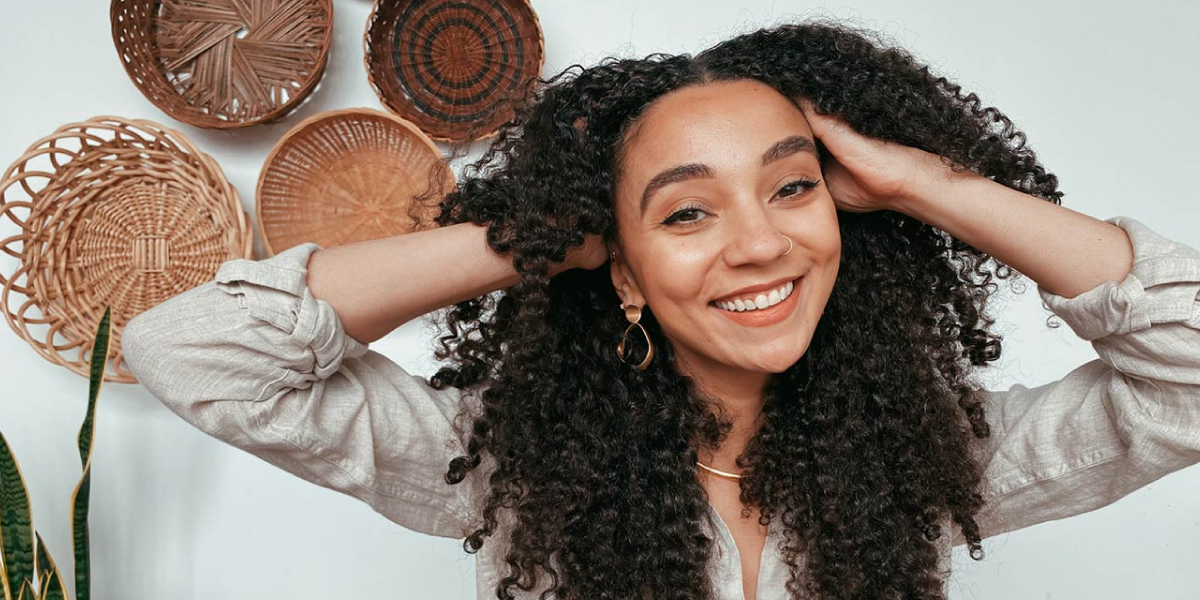
The stretched Afro is when you elongate your natural curls without heat and create a longer, more even Afro shape. People normally stretch the hair by braiding, banding, or twisting it overnight. This style makes your Afro look bigger and less shrunken.
Care for it by keeping it moisturised before stretching and using lightweight oils to prevent dryness. Avoid using too much heat because it can damage coils.
Keep the stretched hair wrapped at night to stop it from shrinking too fast.
4. Afro with Side Part
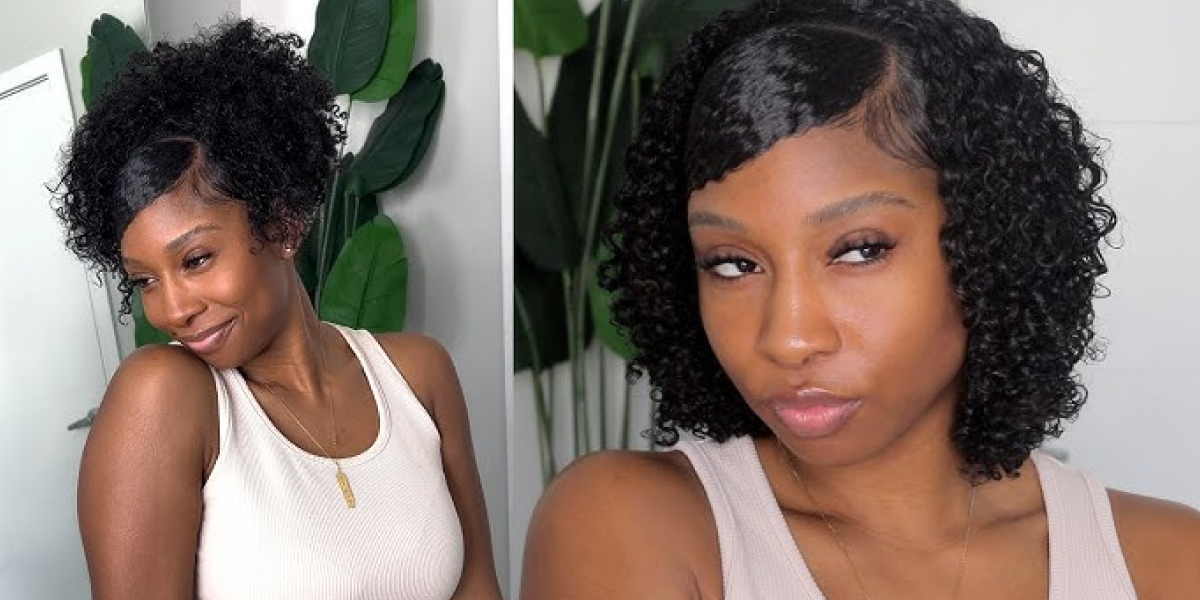
An Afro with a side part is a styled Afro where you create a clean parting line on one side to add shape and personality. It works great for people who want a bit more structure. Keep the part neat by using a little gel or cream.
Make sure your hair stays moisturised so the parting line does not look dry. Avoid using harsh gels with alcohol because they dry the hair. Lightly fluff the Afro around the part to keep the shape soft.
5. High Puff
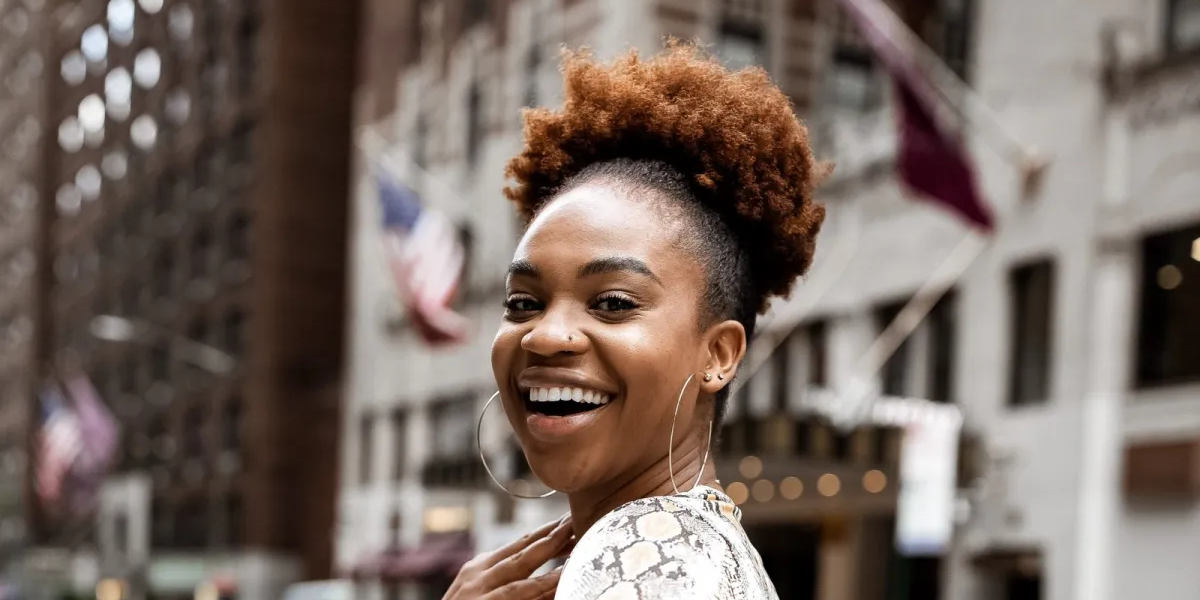
A high puff is when you gather all your natural hair up into one big puff sitting on top of your head. It is simple and perfect for days when you want your curls away from your face.
To care for this natural hair, Afro hairstyles, use a soft band that does not pull your hair, moisturise the puff, and smooth the edges gently with a brush. Avoid pulling too tightly because it puts stress on your edges.
Wrap your hair at night to keep the puff from drying out.
6. Low Puff
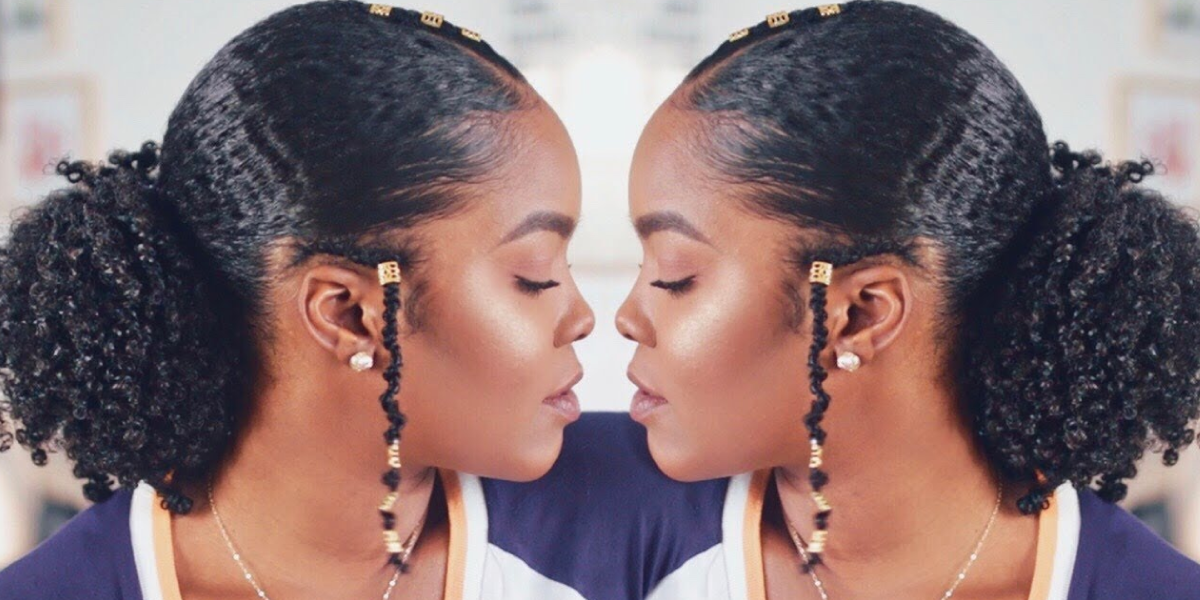
A low puff sits at the back of your head, close to the neck, and gives a sleek but easy, natural look. It works well for all Type 4 hair. Keep your hair soft before putting it up, use cream to smooth it, and moisturise the puff so it stays defined. Avoid tight bands or rubber bands that can snap your strands. Use satin protection at night to reduce dryness.
7. Double Puffs
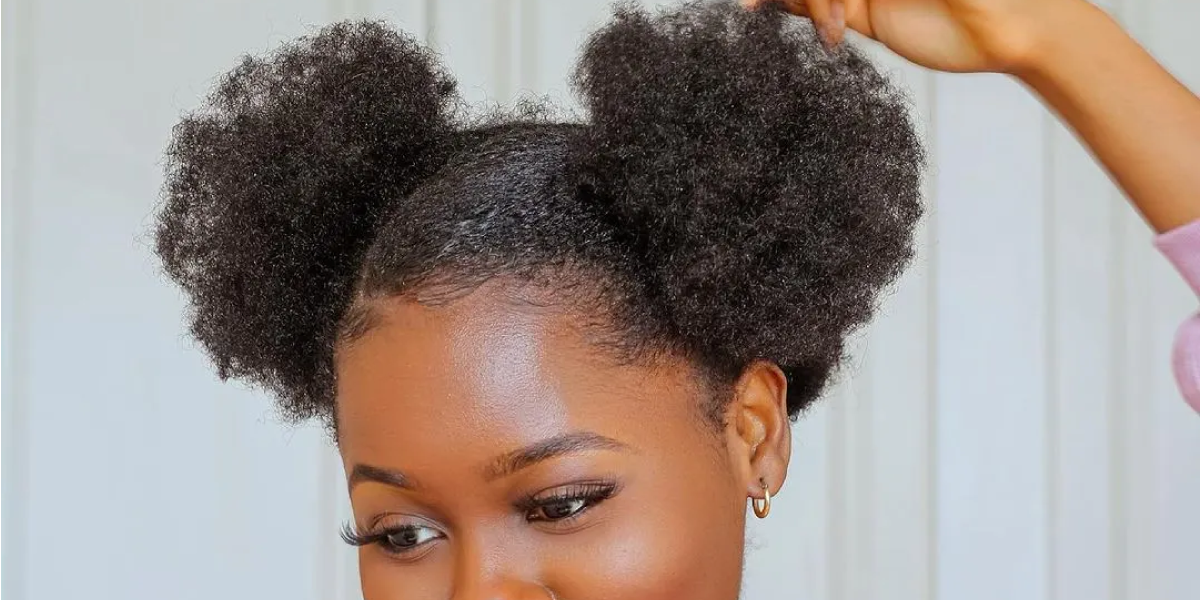
Double puffs are two puffs on each side of the head, giving a fun and cute style. They work great on medium-length hair. Care for them by using soft bands and keeping the hair moisturised. Avoid pulling the bands too tightly because it strains your roots. This style also benefits from a light oil on the ends to stop dryness during the day.
8. Afro Taper Fade
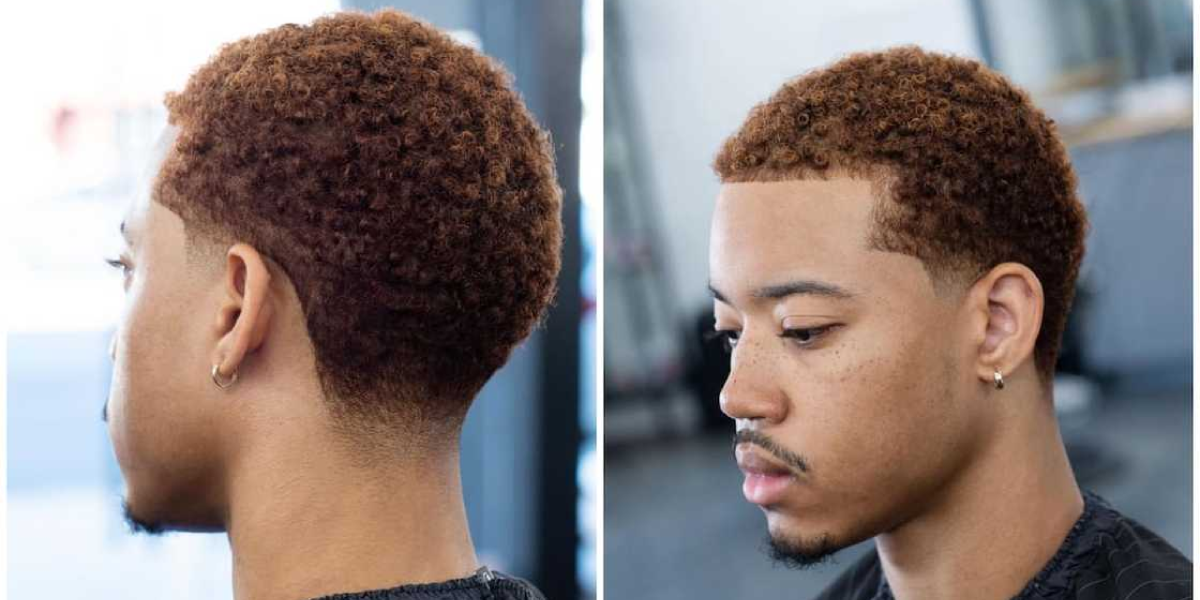
An Afro taper fade has a fuller Afro on top, while the sides and back gradually fade down using clippers. It gives a clean and modern look. To maintain it, visit a barber regularly to keep the fade sharp and moisturise the top daily so it stays healthy. Avoid using heavy products that weigh down the top. Keep the edges clean with gentle brushing.
9. Bantu Knots
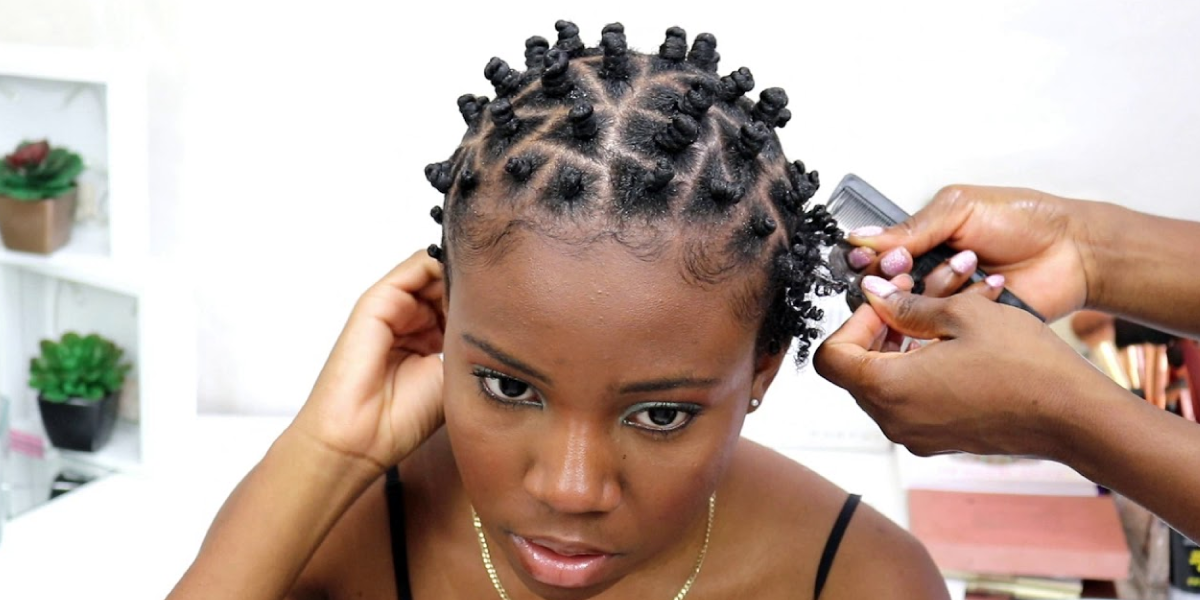
Bantu knots are small twisted sections of hair wrapped into little knots all over the head. They are stylish and also act as a protective style. Keep your hair moisturised before twisting and apply cream for a good hold.
Avoid twisting too tightly because it can cause scalp pain. Oil your scalp lightly to prevent dryness. At night, wrap the knots with a satin scarf to keep them neat.
10. Bantu Knot Out
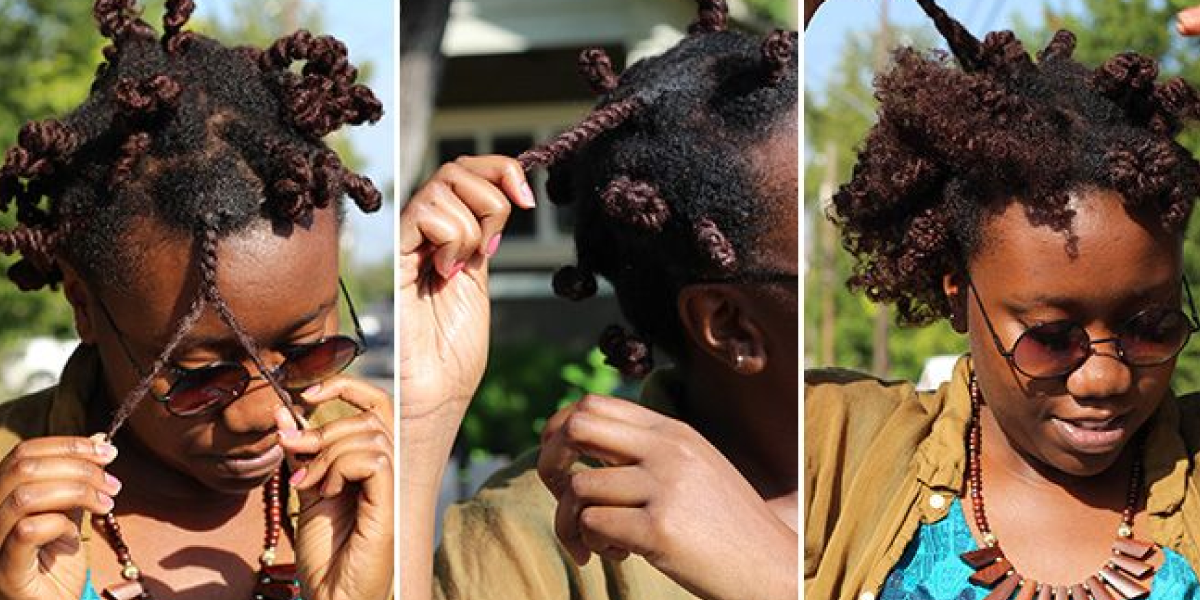
A Bantu knot out is when you untwist your Bantu knots and reveal shiny, springy curls. The curls look full and well-defined. Care for this style by applying curl cream before creating the knots and letting them dry fully. Avoid taking them out while damp because that makes the curls frizzy. Put a little oil on your fingers when separating the curls to stop frizz.
11. Wash and Go
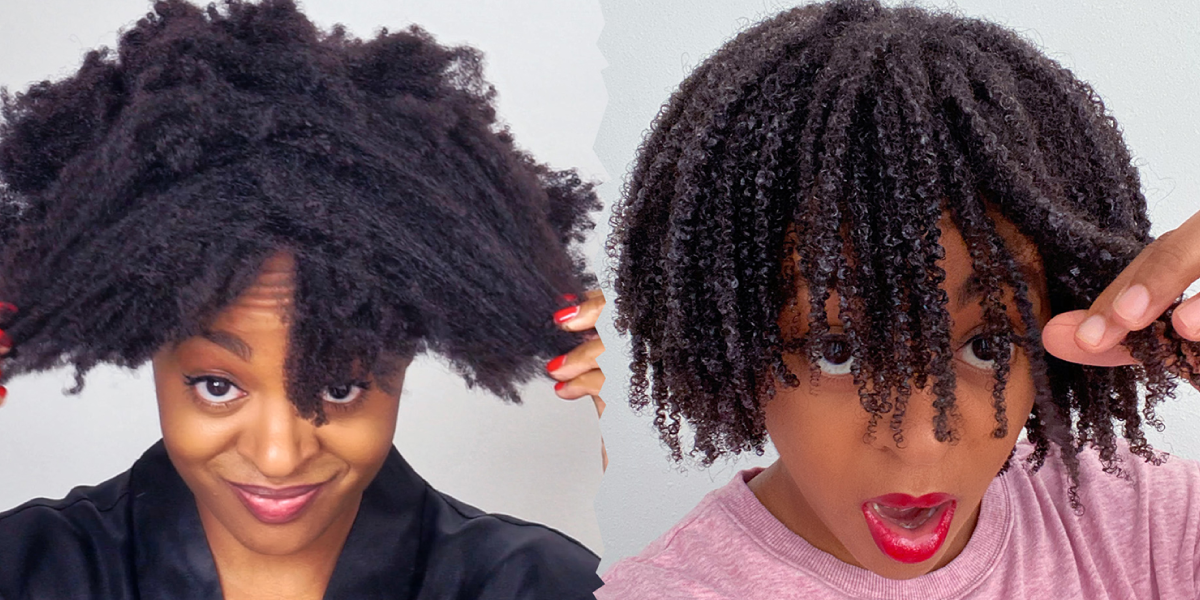
A wash and go is when you wash your hair, add leave-in conditioner and gel, and let your curls dry naturally to show your real texture. It gives a fresh, defined look. Care by using products that add moisture and curl definition. Avoid touching your hair while it dries because it causes frizz. Refresh it the next day with water and conditioner spray.
12. Twist Out
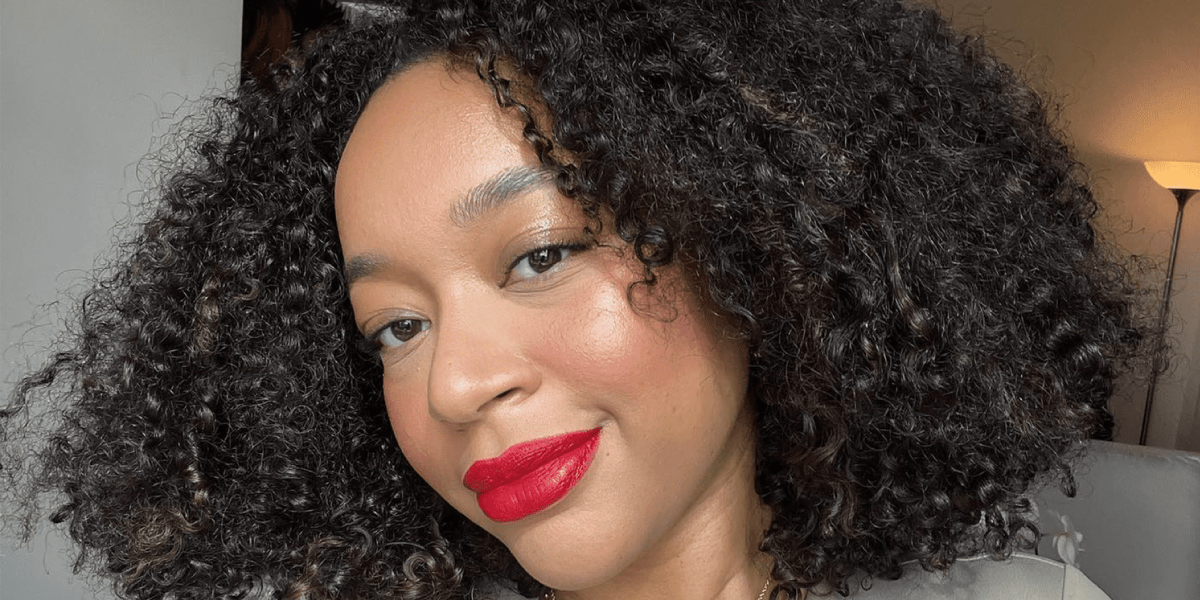
A twist out is made by twisting your damp hair into sections, letting them dry, and untwisting them to create soft waves or curls. It is perfect for adding shape and definition. Care by using cream or butter to keep the twists hydrated. Avoid untwisting too early because the curls will not set. Use light oil to separate the curls and keep them shiny.
13. Braid Out
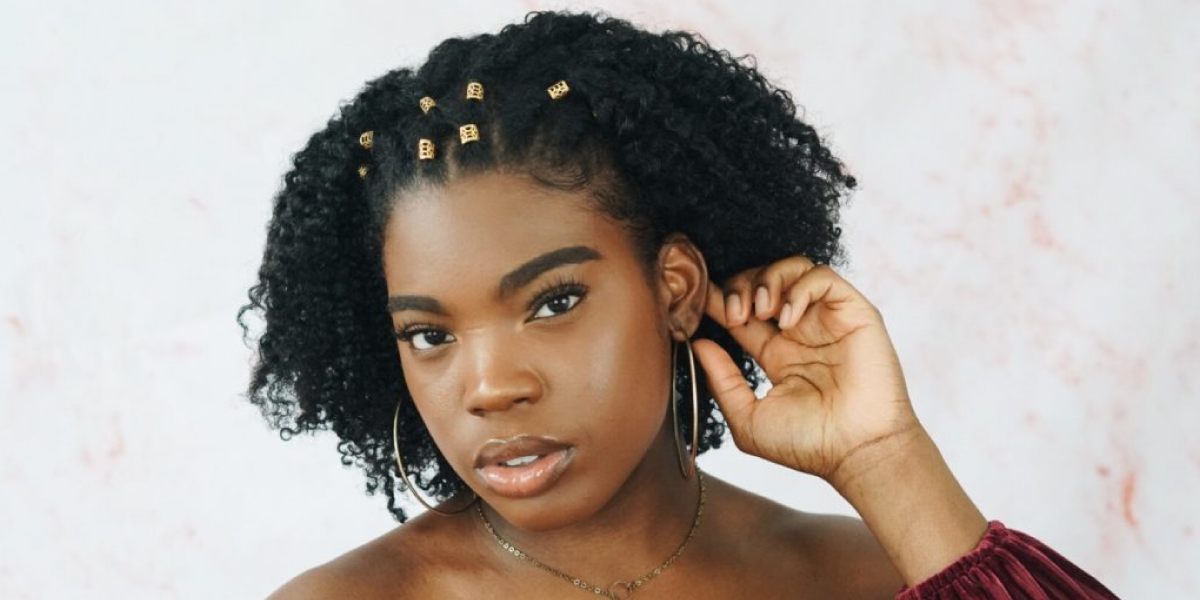
A braid out works the same way as a twist out, but using braids instead. This creates a more stretched, wavy pattern. Keep the hair moisturised before braiding and let it dry fully for the best result. Avoid over-brushing once the braid out is set because you will lose the pattern. Use your fingers to fluff instead.
14. Flat Twists
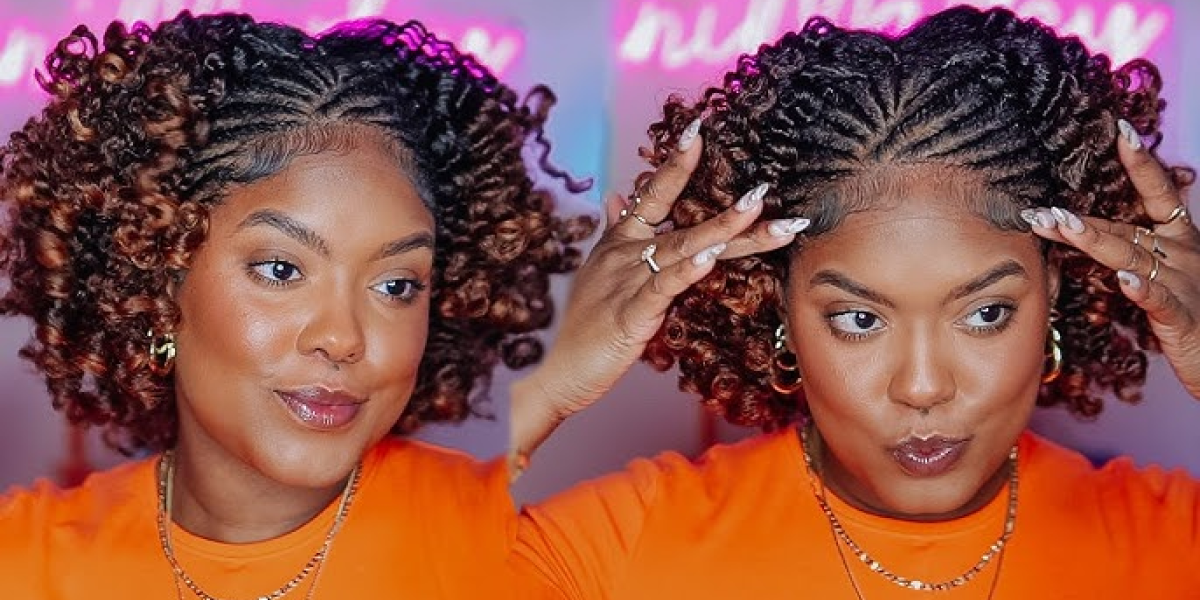
Flat twists are twists done close to the scalp, like cornrows, but with a softer look. They give a good definition and are gentle on the hair. Care by moisturising before twisting and adding gel for hold. Avoid pulling too tightly at the edges because that can cause thinning. Wrap the twists at night so they last longer.
15. Cornrows
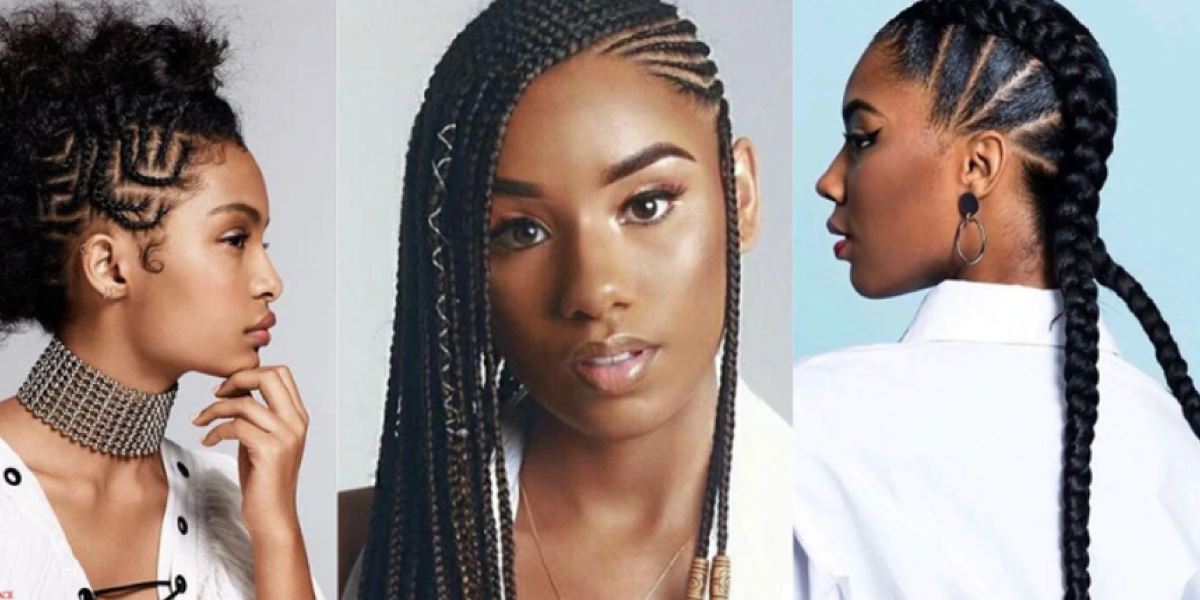
Cornrows are tight braids woven against the scalp in straight or creative patterns. They are long-lasting and protect the hair. Keep your scalp oiled and wash gently while they are in. Avoid leaving them too long because buildup can happen. Sleep with a satin scarf to keep them neat.
16. Box Braids
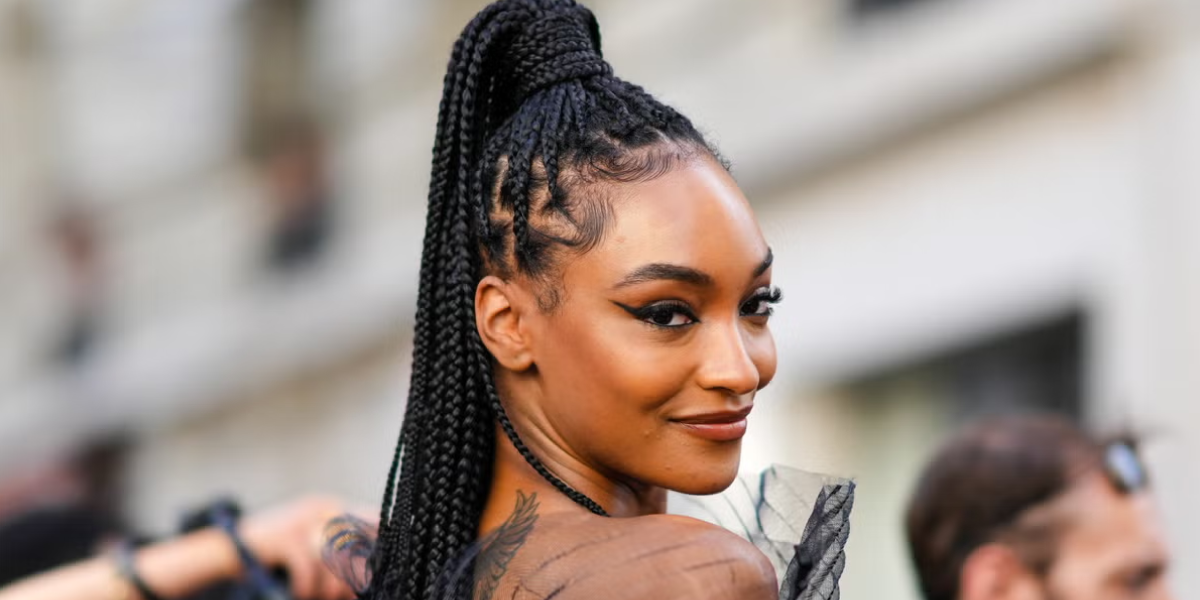
Box braids are individual braids parted into square sections. They are low-maintenance and great for protecting natural hair. Keep your scalp clean and moisturised. Avoid using heavy extensions because they can pull the roots. Do not keep them in for more than six to eight weeks.
17. Jumbo Box Braids
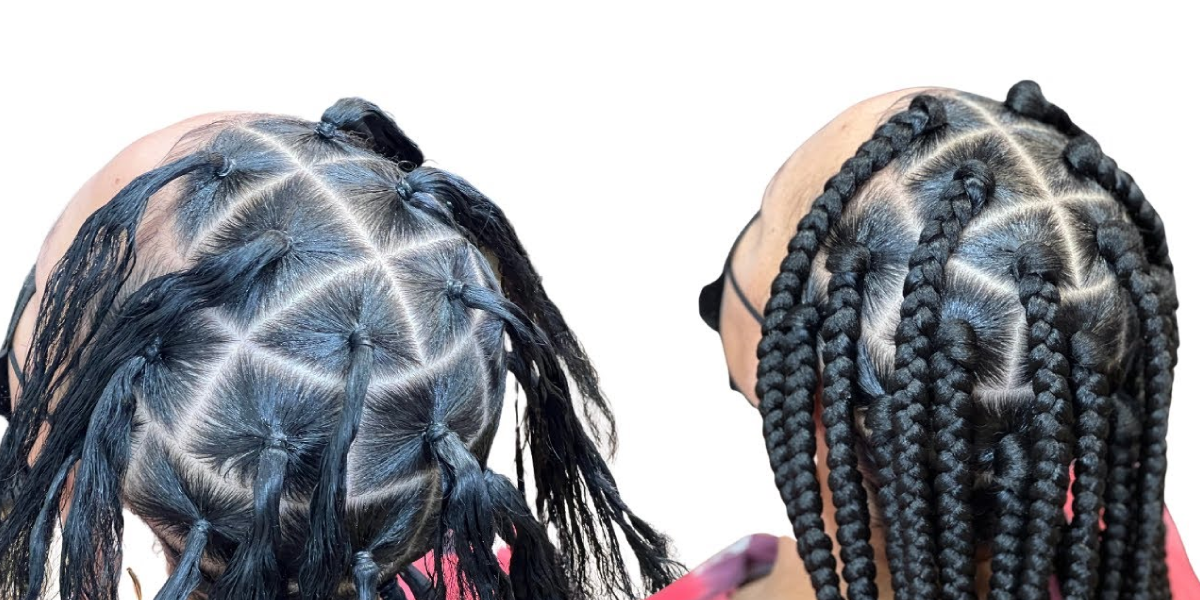
Jumbo box braids are bigger, chunkier versions of box braids. They take less time to install and still look bold and stylish. Care by oiling the scalp every few days and keeping the braids clean. Avoid pulling them into tight ponytails because of the weight. Protect them at night with satin.
18. Marley Twists
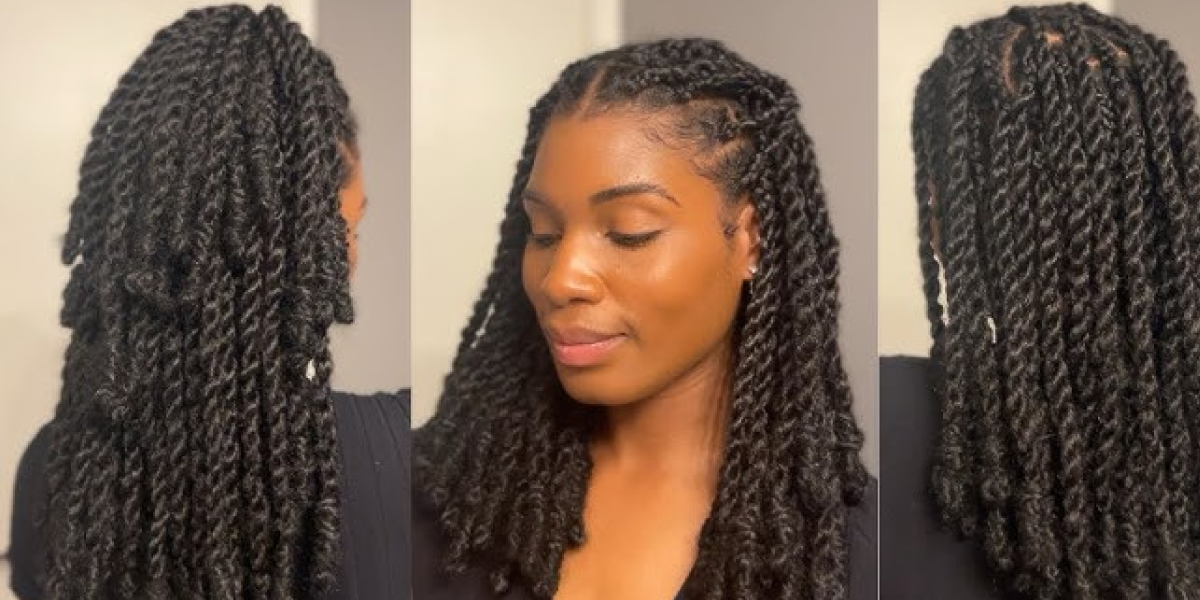
Marley twists use Marley extension hair to give a natural textured black hairstyle look. They are lightweight and look very natural on Type 4 hair. Keep the scalp moisturised, wash gently, and avoid heavy oils that gather dirt. This style lasts long but should not stay in for too many weeks.
19. Spring Twists
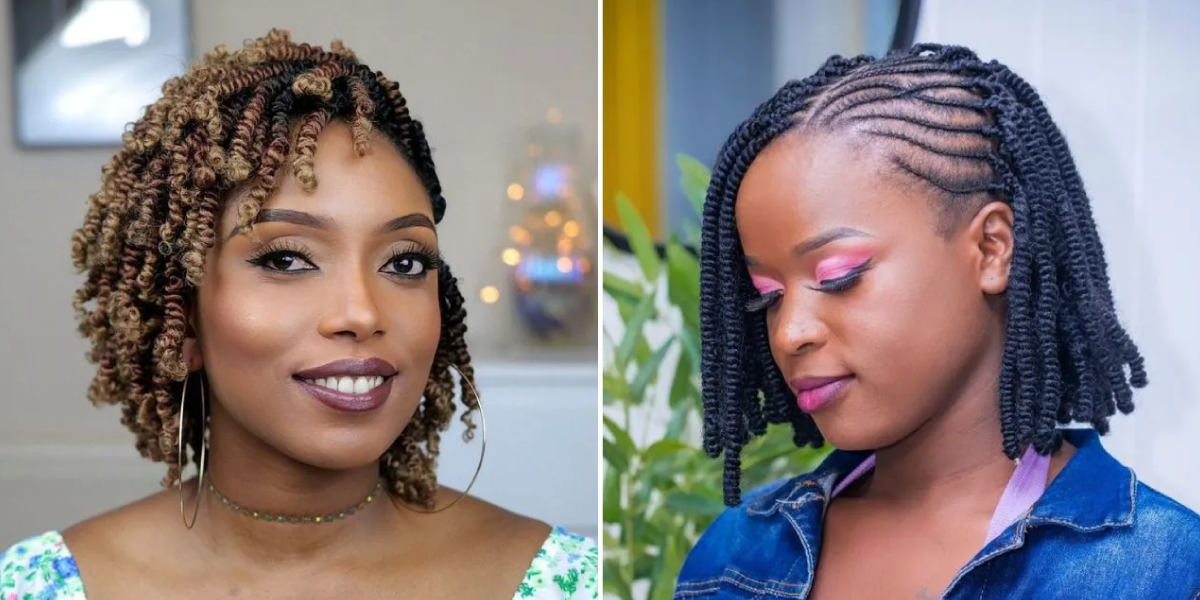
Spring twists are small twists made with springy, bouncy extension hair. They look cute, soft, and very natural. Care by using mousse to control frizz and oiling the scalp lightly. Avoid scratching your scalp with nails because it frizzes the twists. Keep them wrapped at night.
20. Faux Locs
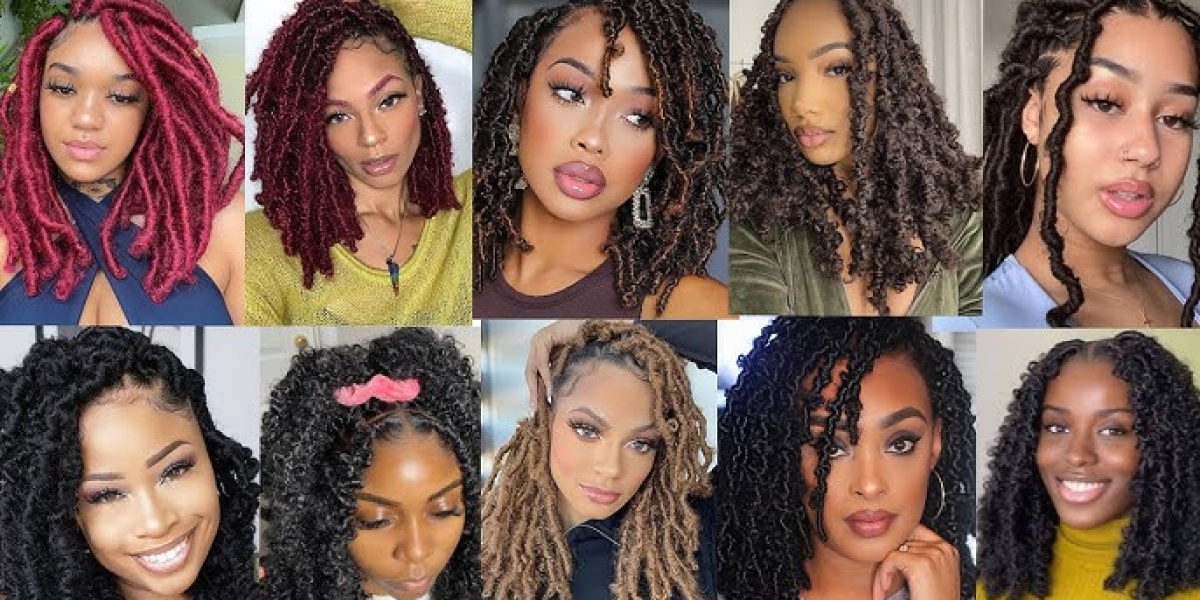
Faux locs give the look of real locs using extensions. They are stylish and protective but require gentle care. Moisturise your scalp regularly and avoid heavy products that cause buildup. Do not leave them in for too long because the weight can stress the roots. Keep ends neat with light trimming if needed.
21. Finger Coils
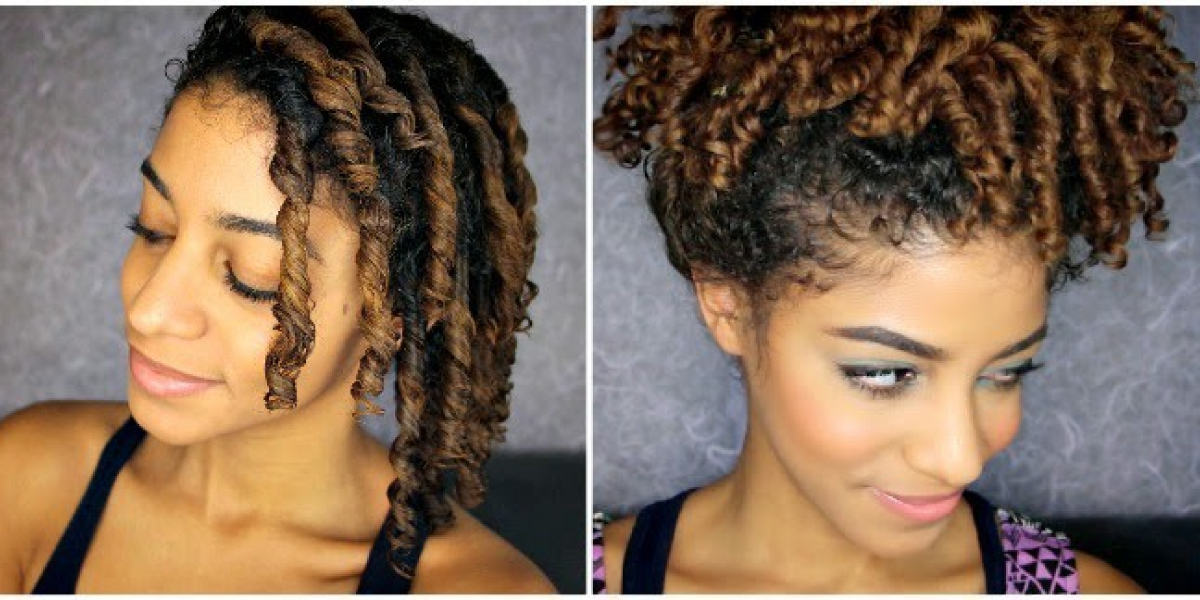
Finger coils are tiny coils made by wrapping small hair sections around your finger. They give neat, shiny curls. Keep your hair damp while creating them and use gel or cream for hold. Avoid separating the coils too much, or they may frizz. Sleep with satin to keep them smooth.
22. Comb Coils
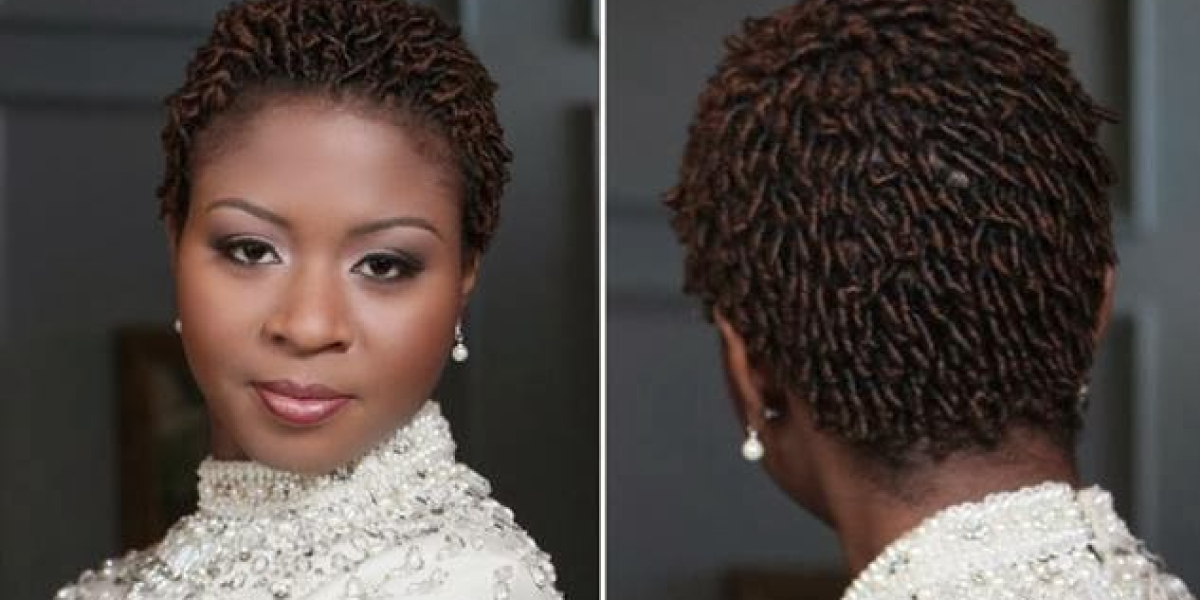
Comb coils are created using a small comb to twist the hair into uniform coils, giving a defined and sleek look. Care by using gel to help each coil stay in place and keep your hair moisturised. Avoid combing through the coils once they are set. Refresh with a little water and gel when needed.
23. Short Afro Fade
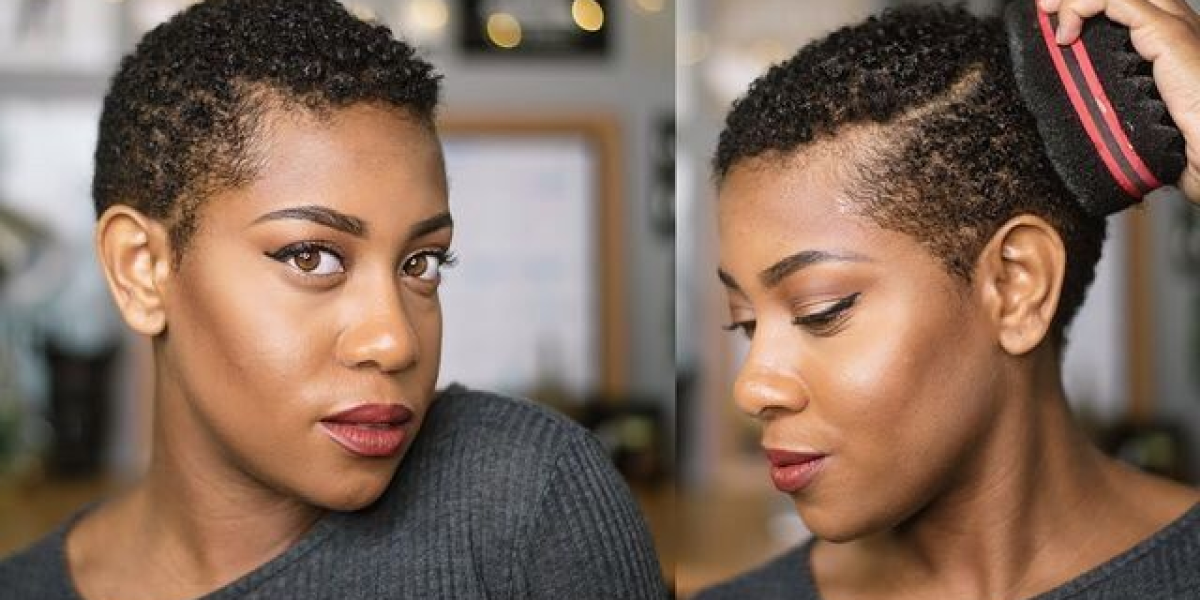
A short Afro fade has a small Afro on top with a clean fade on the sides. It is easy to maintain and looks neat. Moisturise the top daily and visit the barber to keep the fade sharp. Avoid using rough brushes on the top because they weaken the curls. Use a soft sponge brush instead.
24. Afro Mohawk
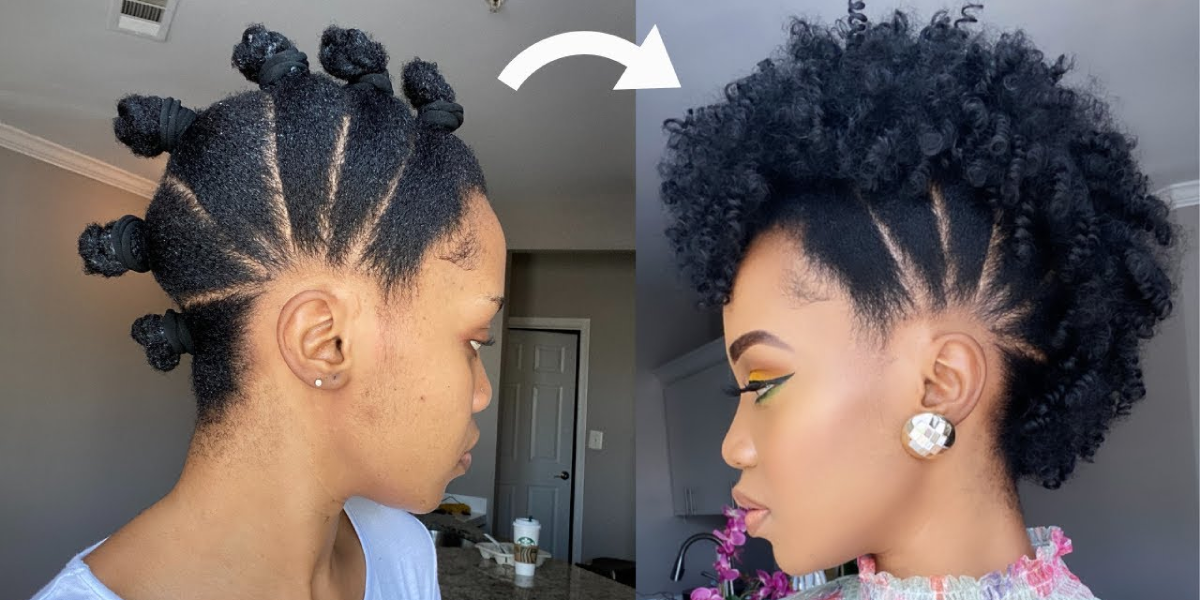
An Afro mohawk has a fuller center that runs from front to back, while the sides are trimmed or faded. It looks bold and stylish. Care for it by moisturising the center section and keeping the sides shaped. Avoid trimming the sides too much, or the mohawk will lose its shape. Sleep with a satin bonnet to stop dryness.
25. Locs
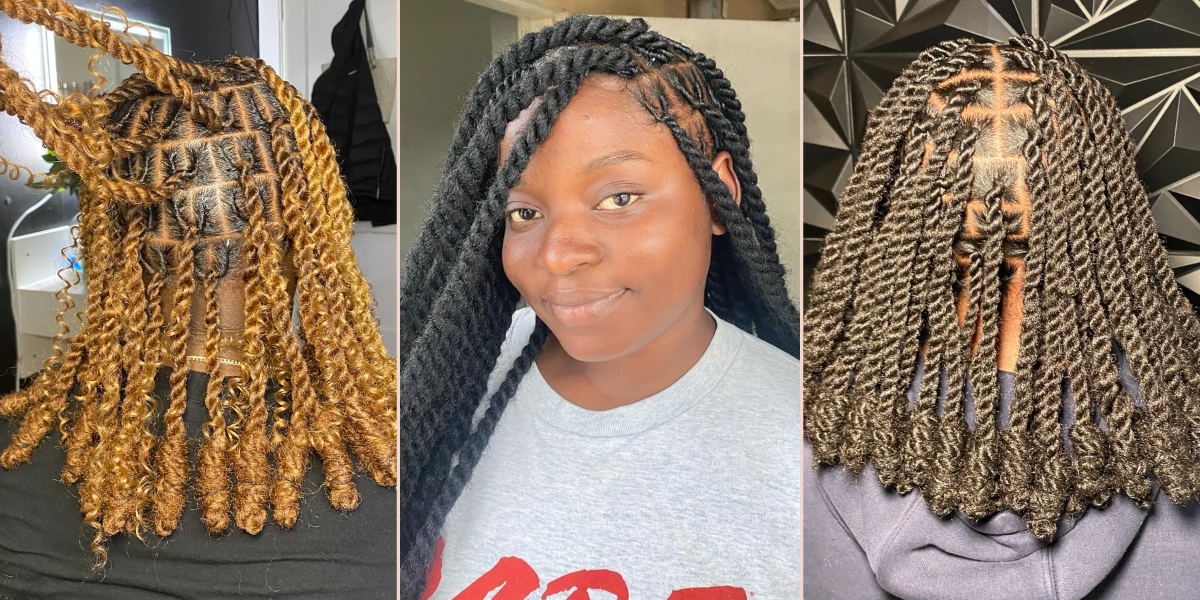
Locs are rope-like strands formed by twisting, palm rolling, or simply letting the hair lock naturally over time. They are beautiful and long-lasting but require consistent care. Wash them regularly, retwist the roots gently, and dry them fully to avoid mildew. Avoid heavy oils that cause buildup. Use light oils and keep the scalp clean.
If interested, you can also read this guide to learn how to sleep with curly hair.
Wrapping Up
Afro hairstyles are more than just looks. They show personality, culture, and confidence, and they protect the hair when done right. Every style of Afro has its own beauty, and each one works well with different curl types and hair needs. The most important thing is to keep Afro hair moisturised, handle it gently, and avoid too much tension or heat. When you care for your hair through the right products, purchasing from professionals, like Salon Essentials LA, every Afro style becomes easier to manage and lasts longer.
FAQs
The best haircut for an Afro is one that works with your natural curl pattern. A rounded shape, tapered sides, or a layered Afro helps hair look full and healthy. Regular trims keep the shape neat and prevent split ends.
A white person cannot naturally have true Afro hair because it is a genetic trait found mainly in Black people. However, anyone can style their hair to look like an Afro using perms, twists, or extensions.
A Y2K hairstyle is a style popular around the year 2000. It often includes fun, edgy looks like chunky highlights, space buns, crimped hair, and playful baby hairs. It is colorful, creative, and nostalgic.
Gen Z hairstyles are trendy and often playful, like curtain bangs, shag cuts, mullets, or soft waves. They focus on individuality and effortless style that can be changed easily.
Natural Afro hairstyles are styles worn with your hair’s natural texture without chemical straightening. They include classic Afro, twist outs, Bantu knots, puffs, and cornrows. They protect hair and show your natural curl.
Afro hairstyles for women are varied and creative. They include big Afros, high puffs, twist outs, braids, Bantu knots, and wash-and-go styles. They keep hair healthy, moisturised, and full of life. |