
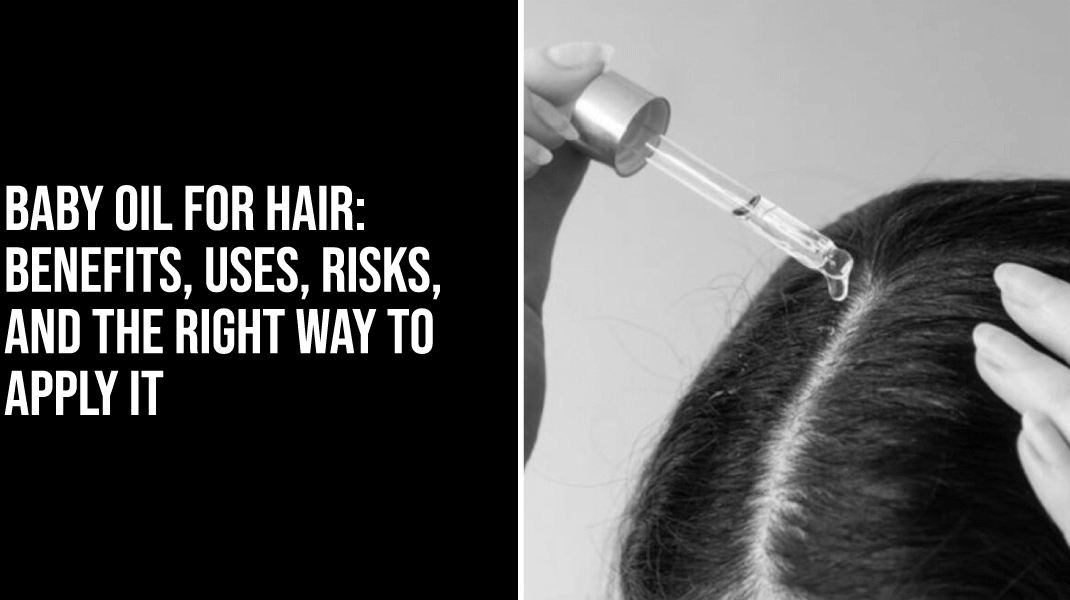
Many people already have baby oil at home and use it for skin care. Because it feels light, smooth, and gentle, people often wonder if it can also help their hair. Baby oil for hair appeals to many people because it adds shine, helps with dry hair, and is easy to find almost anywhere.
Over time, baby oil has become a common home remedy for hair, even though many are not fully sure how it actually works. This guide explains everything clearly so you can decide if baby oil is right for your hair or not.
Here we go now.
What is Baby Oil Made Out Of?
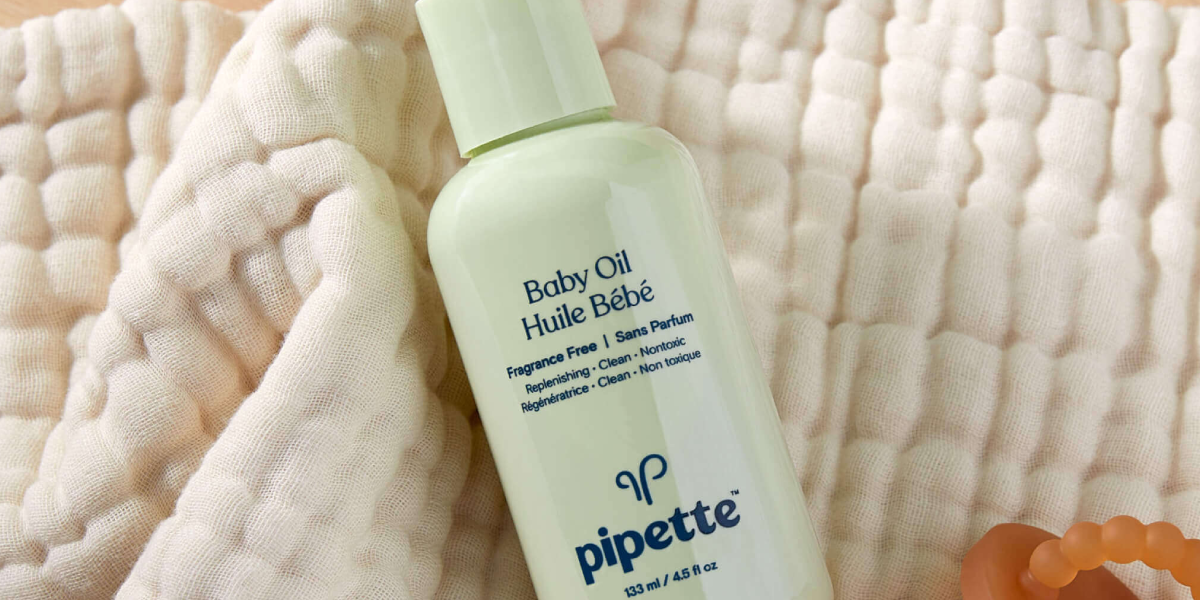
Baby oil is usually made from mineral oil, a refined product from petroleum that is safe, light, and gentle on skin. Traditional baby oil mainly has mineral oil and fragrance, so it does not contain vitamins, proteins, or nutrients to repair hair – it works only as a protective layer on the surface.
However, some modern baby hair oils are blended with ingredients like olive oil, avocado oil, vitamin E, or B5, which can provide mild nourishment or conditioning.
Is Baby Oil for Hair Truly Safe?
According to Johnson and Johnson, baby oil made from mineral oil is dermatologist-tested and hypoallergenic. This means it is formulated to be gentle and unlikely to cause allergic skin reactions in most people. Because of this mild nature, baby oil is generally safe to use on both hair and scalp when applied in small amounts.
That said, being safe does not mean it suits every hair type. People with oily scalps or very fine hair may feel heaviness or notice buildup if too much oil is used. The key is light application and proper hair washing. When used correctly and rinsed out well, baby oil is unlikely to cause irritation or harm.
8 Benefits of Baby Oil for Hair
Now, let’s show you the key benefits of baby oil for your hair.
1. Helps Hair Retain Moisture
Baby oil locks moisture inside your hair. When used on damp hair, it keeps hair soft and stops dryness.
2. Reduces Frizz and Flyaways
Baby oil smooths rough hair strands and controls frizz. Just use a few drops to avoid greasy hair.
3. Adds Instant Shine
Baby oil makes hair look shiny and glossy right away. It’s great for styling, not for deep hair repair.
4. Protects Hair from Water Damage
Baby oil forms a thin layer on hair, reducing damage caused by excessive water during washing.
5. Soothes a Dry Scalp
Baby oil softens dry skin and reduces itching. It works only for dry scalp, not dandruff infections.
6. Helps Remove Scalp Buildup
Baby oil has long been used to loosen dry scalp buildup, including cradle cap in babies. It loosens dry flakes on the scalp, making them easier to wash away.
7. Protects Hair from Chlorine
Applying baby oil before swimming helps protect hair from chlorine dryness.
8. Supports Lice Treatment
Baby oil can help suffocate head lice and loosen their eggs from hair strands, but it should be used with proper treatment and doctor advice.
Baby Oil for Different Hair Types
Baby oil works better for some hair types than others. Dry, thick, and curly hair usually responds well because it needs extra sealing. Fine hair often looks greasy quickly, so baby oil is not a good option there. Oily scalps may experience clogged pores and buildup. Color-treated hair can safely use baby oil, but it will not repair chemical damage.
Baby Oil vs Natural Hair Oils
Compared with other natural hair oils, baby oil mainly seals moisture, while natural oils also nourish and strengthen hair over time.
| Oil Type | Penetrates Hair | Adds Nutrients | Seals Moisture |
| Baby oil | No | Somewhat yes, when combined with other ingredients | Yes |
| Coconut oil | Yes | Yes | Yes |
| Olive oil | Partial | Yes | Yes |
| Argan oil | Partial | Yes | Yes |
Baby Oil for Dandruff and Dry Scalp
It is important to know the difference between dry scalp and fungal dandruff. A dry scalp lacks moisture, and baby oil can help soften the skin. On the other hand, fungal dandruff is caused by yeast growth, and oil can make it worse by trapping moisture and feeding the fungus. Knowing your scalp condition helps avoid problems.
|
A healthy scalp is key to strong, beautiful hair. Trusted brands like Salon Essentials LA offer a full range of scalp care products to keep your scalp nourished and comfortable. Shop now to give your hair the care it deserves! |
Can Baby Oil Cause Hair Fall?
Baby oil itself does not cause hair fall.
Problems come when:
- Oil blocks follicles
- Scalp stays dirty
- Shampoo does not clean well.
A clean scalp grows healthy hair.
How to Use Baby Oil Correctly
For shine, rub two or three drops between your palms and apply only to the hair ends. For a pre-shampoo treatment, apply lightly to the mid-length and ends, leave it for about thirty minutes, then wash thoroughly. Avoid applying large amounts directly to the scalp unless treating dryness.
Overnight Baby Oil Treatment
If your hair feels very dry or damaged, leaving baby oil on overnight can give it extra softness and shine. Warm 2–4 tablespoons of baby oil, gently massage it from the front to the back of your scalp, then apply it to hair lengths and dry ends, and cover with a shower cap or towel.
Leave it on overnight or a few hours, then shampoo well in the morning until oil is gone, use conditioner, style as usual, and don’t overuse oil or massage roughly to avoid greasiness and tangling.
How Often Should You Use Baby Oil?
Using baby oil once a week is usually enough. More frequent use can lead to buildup, dull hair, and scalp discomfort. Adjust frequency based on how your hair responds.
Long-term heavy use may cause hair to feel coated and flat. Scalp pores may become blocked if oil is not washed properly. Using a clarifying shampoo occasionally helps remove buildup.
Baby Oil Cost and Value Comparison
Baby oil is affordable but limited in benefits compared to natural oils.
| Product | Cost Level | Main Benefit |
| Baby oil | Very low | Sealing and shine |
| Coconut oil | Low | Nourish and protect |
| Argan oil | High | Repair and smooth |
Wrapping Up: Should You Use Baby Oil for Hair?
Baby oil works well for adding shine, reducing frizz, and sealing moisture in dry or thick hair. It is not suitable for daily use, oily scalps, or hair growth goals. Used correctly and occasionally, it can be a helpful styling aid, not a long-term treatment.
FAQs
|