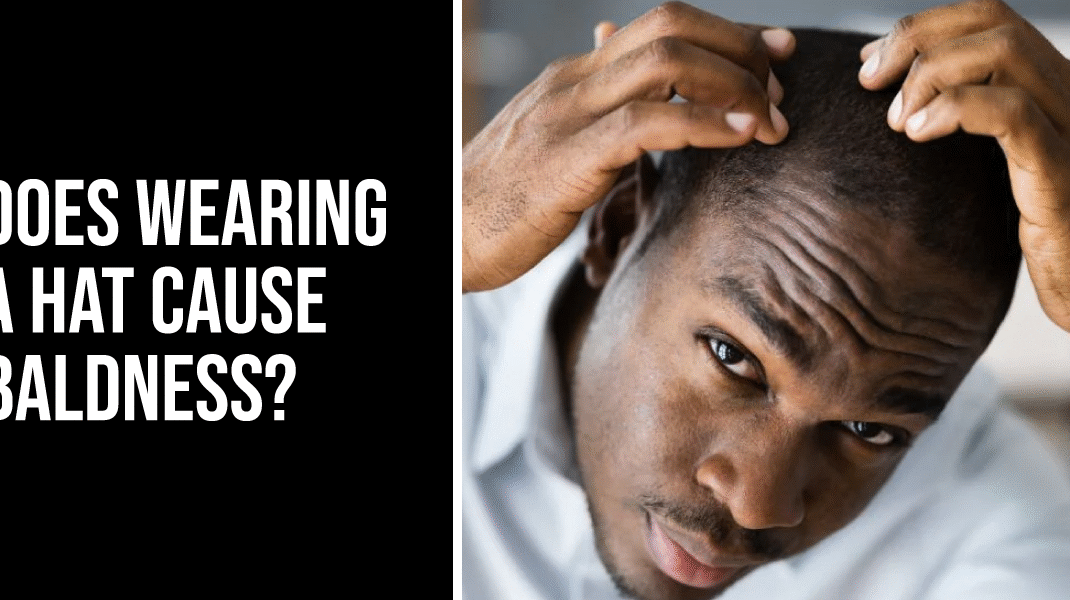
You put on your cap, beanie, hijab, or helmet like you always do. Later, you see a few hairs stuck inside it. That small moment creates a big worry. You start asking yourself, “Does wearing a hat cause baldness?” Many people face this same fear, especially when their hair already feels thinner than before. It feels real, personal, and a little scary.
Here is the clear truth. No, wearing a hat does not cause baldness. Hats do not kill hair roots or stop hair growth. Real hair loss usually comes from genetics, hormones, stress, or health issues, not from something sitting on your head.
Still, some habits around hats can affect hair health in small ways. Tight fits, sweat, or pulling hair can play a role. That is why this topic matters, and why the full story below is worth reading.
Why People Think Hats Cause Hair Loss
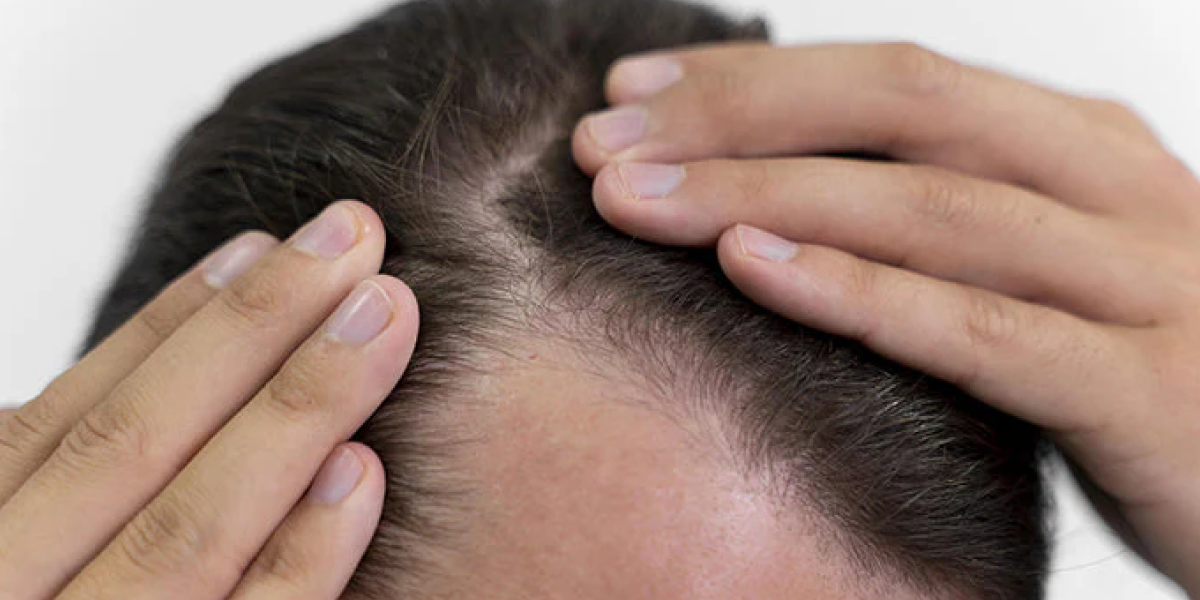
This belief comes from a few common misunderstandings:
- Seeing shed hair inside the hat
- Thinking hats block air or oxygen
- Believing hats stop blood flow
- Assuming friction kills hair roots
All of these sound logical. But science tells a very different story.
First, Find Out How Hair Really Grows (Very Important)
Your hair does not get oxygen from the air. Hair follicles get oxygen and nutrients from blood, not air.
That means:
- A hat cannot suffocate hair
- A hat cannot stop hair growth
- A normal hat cannot block blood flow
According to dermatologists, hair follicles sit deep under the skin, far below where a hat rests.
Does Wearing a Hat Cause Baldness?
Here comes the key topic. Let’s find out something incredibly awesome regarding this concern.
What Science Says About Hats and Baldness
When scientists want real answers, they remove guessing. That is why identical twin studies are so powerful. Identical twins have the same DNA, the same hair genes, and the same hormone sensitivity. So if one twin loses more hair, the cause is usually lifestyle or environment, not genetics.
In these studies, researchers compared twins where one wore hats regularly, and the other rarely or never did. If hats caused baldness, the hat-wearing twin should have lost more hair. That did not happen.
In a large study on male identical twins, researchers found something surprising. The twin who wore a hat every day had less hair loss around the temples compared to the twin who did not wear hats. This clearly showed that hats were not damaging hair follicles.
Another study focused on female identical twins. Again, the results went against the myth. Women who did not wear hats actually showed more hair thinning than those who wore hats. This proved that avoiding hats does not protect hair, and wearing hats does not harm it.
These studies are important because they remove emotion and opinion. They rely on real people, real hair, and real comparison. The conclusion from scientists was clear. Hat-wearing was not linked to baldness or hair thinning.
These findings are published and stored in the National Library of Medicine, a trusted medical research database used by doctors, dermatologists, and scientists around the world.
What Actually Causes Baldness
Most real hair loss comes from inside your body, not from hats.
Main causes include:
- Genetics (family history)
- Hormones like DHT
- Age
- Stress
- Medical conditions
- Nutrient deficiencies
This is why doctors say: Hats do not cause male or female pattern baldness.
Types of Hair Loss
Before blaming a hat for hair loss, it is important to understand the type of hair loss involved. Not all hair loss is the same. Some types are genetic, some are temporary, and some happen due to tension. Knowing the difference helps you understand why hats do not cause true baldness, and when headwear might play a small role in hair damage.
| Androgenetic Alopecia |
|
| Telogen Effluvium |
|
| Traction Alopecia | This one matters here.
It happens when hair is pulled too tightly for a long time. Examples: • Tight ponytails • Tight braids • Very tight hats worn daily • Head coverings pulled too tight with pins This is not baldness, but tension damage. |
When Hats Can Cause Hair Problems
Hats do not cause baldness, but how you wear them can sometimes create small hair or scalp issues. These problems are usually preventable and not permanent if handled early.
1. Very Tight Hats
A hat can cause trouble if it is worn too tightly every day. When a hat squeezes the scalp or keeps pulling on the same hair areas again and again, it puts stress on the hair roots.
This can lead to traction alopecia, which is hair loss caused by constant pulling.
This type of hair loss:
- Starts slowly, so people often ignore it
- Is usually reversible if caught early
- Can become permanent if the tension continues for years
Long-term tension on hair follicles can damage them over time, even without pain.
2. Sweaty and Dirty Hats
Wearing a hat for long hours, especially in hot weather, can trap sweat and oil on your scalp. If the hat is not cleaned often, bacteria and dirt can build up.
This may cause:
- Itching
- Dandruff
- Scalp acne
- Redness or inflammation
This does not cause baldness, but an irritated scalp is not a healthy place for strong hair growth.
3. Hair Pulled Under the Hat
Sometimes the problem is not the hat, but what happens under it.
If you:
- Tie your hair tightly before wearing a hat
- Pull hair into tight buns or ponytails to fit the hat
The hair gets stressed from pulling all day. Over time, this tension weakens the hair roots. The hat only hides the issue. The real damage comes from the tight pulling.
The good news is simple. Wear comfortable hats, avoid tight styles, and keep both your hair and hats clean. That alone prevents most hat-related hair problems.
Hair in Your Hat Does Not Mean Hair Loss
Finding hair inside your hat is normal.
Every person sheds:
- 50 to 100 hairs per day
Those hairs were already done growing. The hat just caught them.
Can Hats Make Existing Hair Loss Look Worse?
Yes, visually only.
Hats can:
- Flatten thin hair
- Expose bald spots when removed
But they do not increase hair loss.
Benefits of Wearing Hats
Hats are not bad. They can actually help.
Real benefits:
- Protect scalp from sun damage
- Reduce UV exposure
- Shield hair from wind and pollution
- Keep your scalp warm in cold weather
Sun damage itself can harm hair follicles.
How to Wear Hats Safely (Very Easy Tips)
Wearing hats is safe when you follow a few simple habits. These small steps help protect both your hair and scalp.
- Choose loose-fitting hats: A comfortable fit prevents pressure on the scalp and stops unnecessary pulling on hair roots.
- Pick breathable fabrics like cotton: Breathable materials allow heat and sweat to escape. This keeps your scalp cool and reduces irritation.
- Wash hats regularly: Clean hats prevent sweat, oil, and bacteria from building up. A clean hat means a healthier scalp.
- Avoid tight hairstyles under hats: Loose hair or gentle styles reduce tension. Tight buns or ponytails under hats can stress hair roots.
- Let your scalp breathe sometimes: If you wear hats often, take breaks. Removing the hat for a while helps reduce moisture and friction.
That is enough to avoid most hat-related hair problems.
When to See a Doctor

Hair shedding can be normal, but some signs should not be ignored.
You should see a doctor if hair loss is:
- Sudden and unexpected
- Very heavy or increasing fast
- Patchy or uneven
- Not stopping after several months
In these cases, the cause is often not a hat. It may be linked to:
- Hormone changes
- Thyroid issues
- Autoimmune conditions
- Vitamin or mineral deficiencies
A dermatologist or trichologist can find the real reason and guide you toward proper treatment. Early advice often leads to better results.
Scalp Care: How Salon Essentials LA Helps
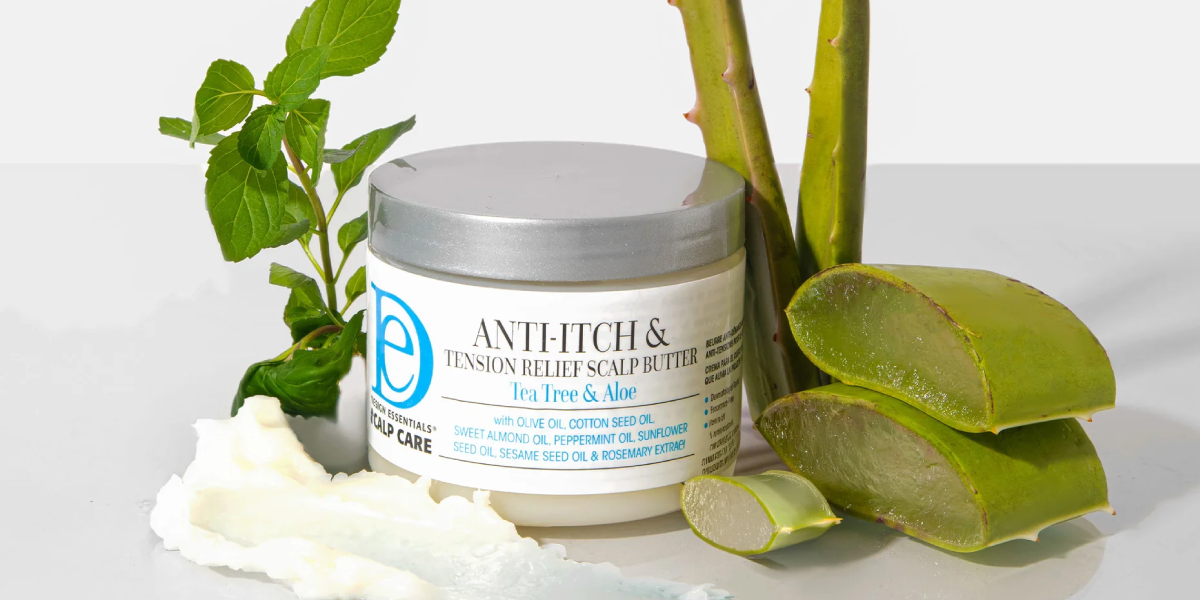
At Salon Essentials LA, we make scalp care simple and stress-free. Our Design Essentials Scalp and Skin Care Collection helps soothe dryness, reduce itchiness, and keep your scalp healthy and comfortable. These products add moisture, calm irritation, and support stronger, better-looking hair.
From nourishing scalp oils to anti-itch treatments, each product is made to care for both your hair and skin. A healthy scalp helps hair feel softer, look fuller, and stay easier to manage.
Our team is always ready to help you choose the right product, with fast delivery and a money-back guarantee for peace of mind.
Call us now at 5042144089 and start your scalp care routine today.
Wrapping Up: Does Wearing a Hat Cause Baldness?
No. Hats do not cause baldness. That idea is a myth. Only extremely tight hats, worn badly for a long time, may cause temporary traction hair loss, not true baldness.
So wear your:
- Cap
- Beanie
- Hijab
- Helmet
- Hat
Without fear.
Focus on nutrition, stress control, scalp care, and genetics instead.
Your hat is not your enemy.
FAQs
|