
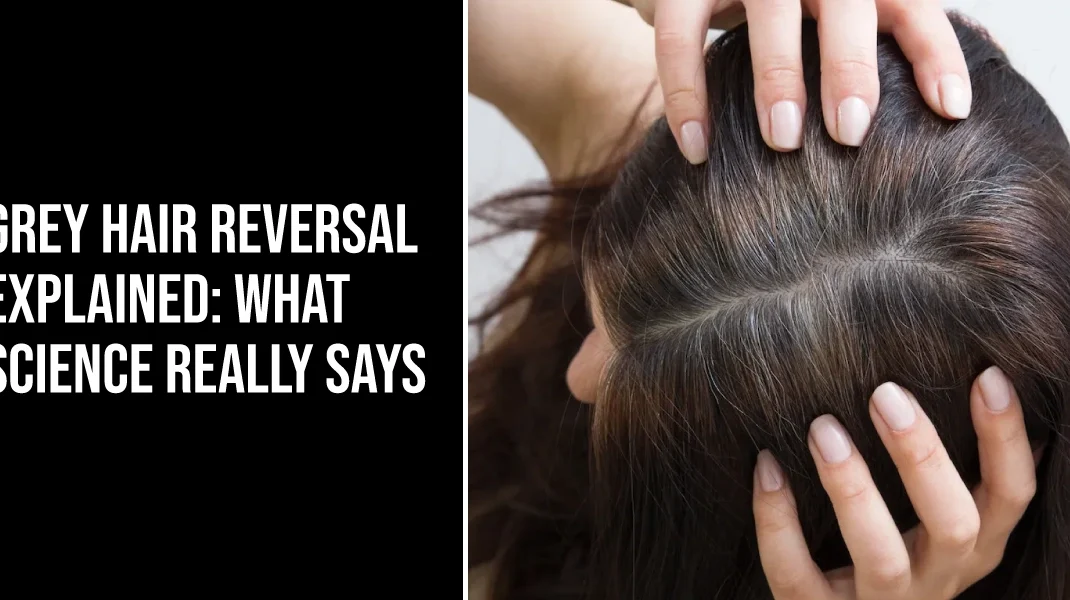
You notice a grey strand one day while looking in the mirror. Then another. It makes you pause. Is this normal aging, or is something else happening? This is where the idea of Grey Hair Reversal comes up for many people.
Grey hair is not a mistake. It is not poor hygiene. It is not your body giving up. Grey hair happens because pigment production inside the hair follicle changes. For years, doctors believed this change was permanent. New research now shows that this is not always true. In some people, greying can slow down. In certain cases, color can partially return.
Let’s show you how hair gets color, why it turns grey, what science now understands, what helps, what does not, and what the future may bring.How Hair Gets Its Color

Hair color comes from a pigment called melanin. Melanin is made by special cells called melanocytes. These cells live deep inside each hair follicle. Even more important are melanocyte stem cells. You can think of them as the backup system that keeps pigment going long-term.
Every time a new hair grows:
- Stem cells move to the pigment zone
- They change into melanocytes
- Melanin is produced
- Hair grows with color
If any step fails, hair still grows. But it grows without color, so it looks grey or white.
Why Hair Turns Grey
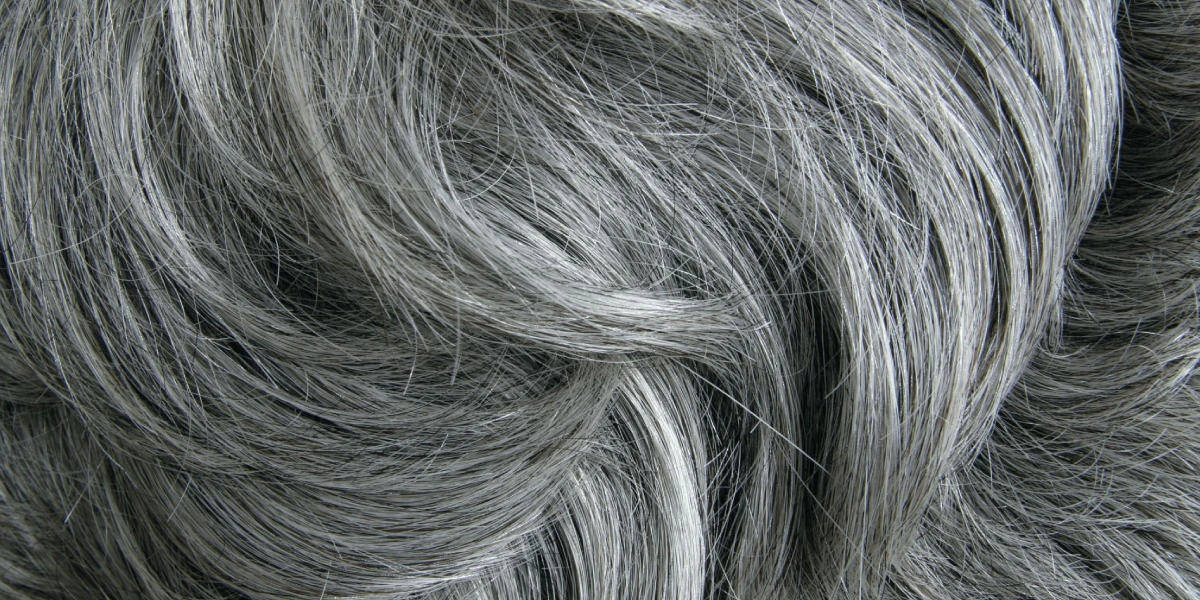
Before knowing about the grey hair reversal process, we have to learn why your hair turns grey. Grey hair does not happen because hair stops growing. It happens because pigment production fails.
This failure can happen for different reasons.
1. Aging
As we age:
- Stem cells lose flexibility
- They stop moving on time
- Some get stuck in the wrong area
- Pigment is skipped
Once pigment stem cells are fully lost, reversal becomes very difficult. This is why age-related greying is usually permanent.
2. Stress (This is Scientifically Proven)
Stress is not just emotional. It is biological. A major study from Harvard University showed that stress activates nerves around hair follicles. These nerves release chemicals that damage melanocyte stem cells.
Important discovery: If stress is reduced early enough, some hair can regain color. This helps explain why people experiencing premature greying due to stress may see improvement when stress is managed.
3. Nutrient Deficiencies
Pigment production needs fuel (nutrients). Low levels of these nutrients are linked to early greying:
- Vitamin B12
- Iron
- Copper
- Zinc
- Vitamin D
- Iodine
Many people asking what vitamin deficiency causes grey hair are often surprised to learn that vitamin B12 deficiency is one of the most common causes of premature greying.
A review in the International Journal of Trichology found strong links between vitamin B12 deficiency and premature greying. Fixing a deficiency can sometimes restore color, especially if the greying is recent.
This is why vitamins for grey hair reversal only help when a real deficiency exists.
4. Oxidative Stress
Your body naturally produces hydrogen peroxide. Normally, antioxidants break it down.
With age or stress:
- Antioxidant systems weaken
- Hydrogen peroxide builds up
- It bleaches pigment from the inside.
Smoking, pollution, UV exposure, and chronic stress all increase oxidative stress. So, how can you prevent grey hair? Lifestyle changes are the most effective way here.
5. Medical Conditions
Some conditions speed up greying:
- Thyroid disorders
- Autoimmune diseases
- Vitiligo
- Alopecia areata
Treating the root condition can sometimes slow or partially reverse greying, especially in younger individuals.
So, is Grey Hair Reversal Possible?
The Honest Answer
- Age-related greying → mostly permanent
- Premature greying → sometimes reversible
- Stress-related greying → sometimes reversible
- Deficiency-related greying → often improves
Grey hair is not always a one-way road.
Hair follicles can switch pigment on and off within a single growth cycle. This is why some people notice strands changing color along the same hair shaft.
What Science Has Discovered Recently Regarding Grey Hair Reversal
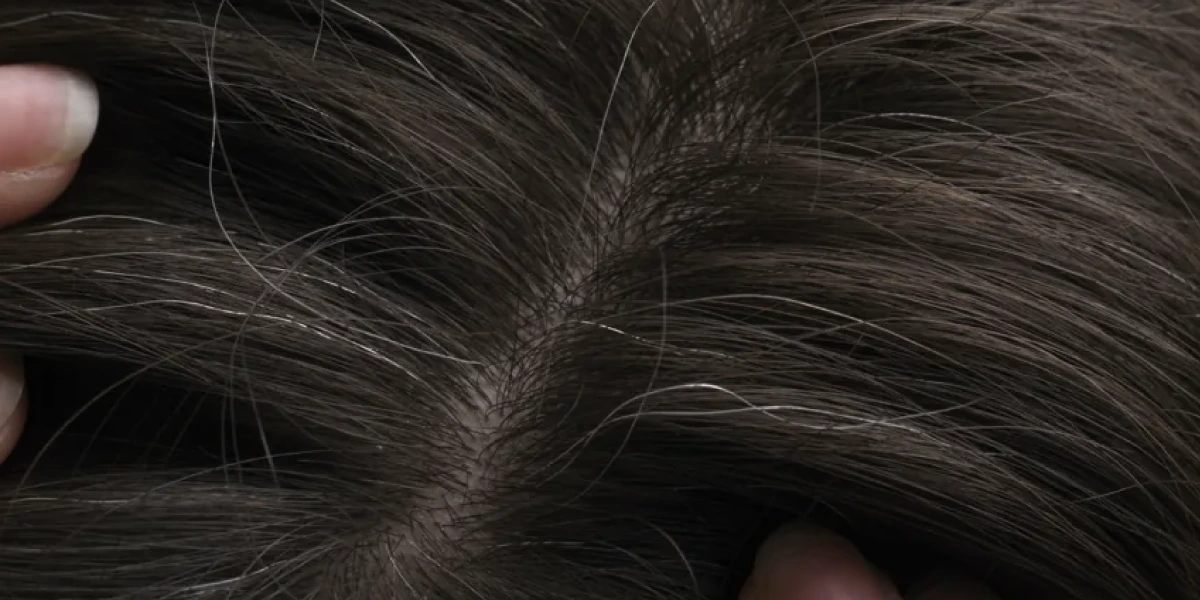
Scientists recently made an important discovery. A study from NYU Langone Health, published in Nature, showed that many grey hair follicles still have the cells needed to make color. The color is not gone forever.
The real problem is timing and movement. The pigment stem cells are still there, but they do not move to the right place at the right time. When they miss that moment, the hair grows without color and looks grey.
As Dr Mayumi Ito from NYU Langone explained, grey hair happens when these cells lose their ability to move flexibly. So, grey hair is not always a dead end. Sometimes it is more like a traffic jam.
If the cells move again at the right time, color can return.
Natural Ways That May Help with the Grey Hair Reversal Process
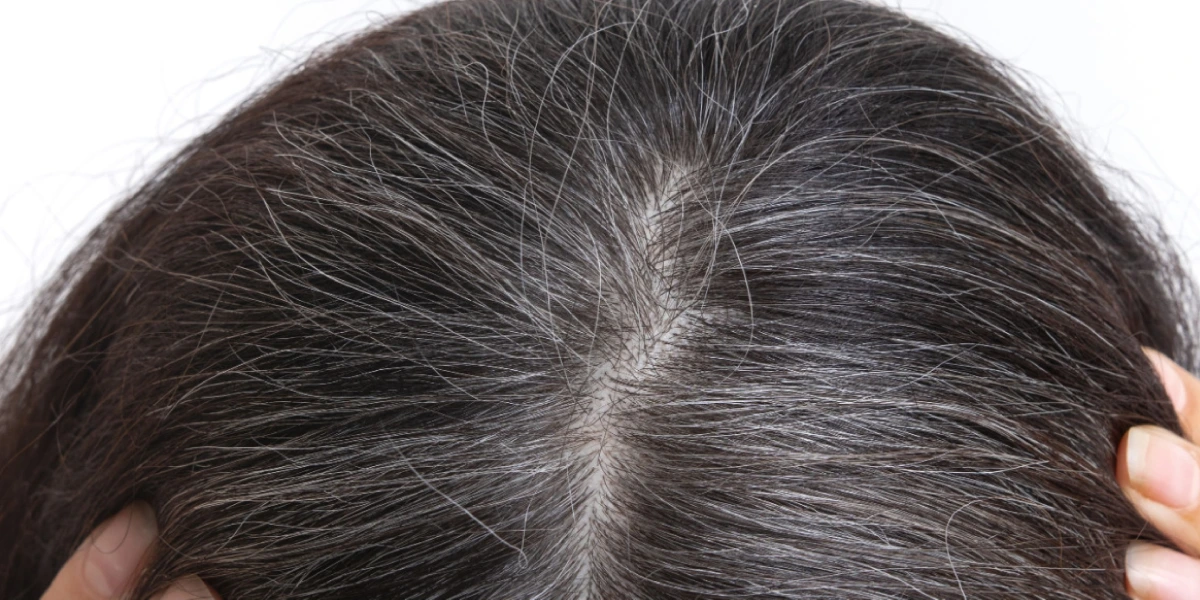
These do not guarantee reversal. But they support pigment biology and answer part of the question, “How can I reverse grey hair naturally?”
1. Reduce Chronic Stress
This is essential.
Helpful habits:
- Daily walking
- Breathing exercises
- Meditation
- Good sleep
- Reducing overthinking
Stress directly damages pigment stem cells, especially in premature greying.
2. Improve Scalp Blood Flow
Better circulation means:
- More oxygen
- More nutrients
- Healthier follicle environment
Simple actions:
- Gentle scalp massage during hairwashing
- Weekly oil massage
- Avoid tight hairstyles
Salon Essentials LA supports scalp health naturally by helping keep the scalp clean, moisturized, and calm. Their scalp oils and treatments help reduce dryness, itching, and irritation while improving comfort.
A healthy, balanced scalp creates the right environment for stronger, healthier hair over time.
3. Eat for Pigment Support
Focus on real food:
- Leafy greens
- Eggs
- Fish
- Nuts and seeds
- Fruits
- Enough protein
If you follow a vegan diet or eat very restricted foods, low vitamin B12 or iron is common. Both are important for hair pigment. Do not guess and start supplements on your own. Get your levels tested first.
This step is very important when dealing with gray hair caused by a vitamin deficiency.
4. Stop Smoking
Smoking increases oxidative stress. It is strongly linked to premature greying and makes it harder to prevent further greying.
5. Manage Inflammation
Chronic inflammation blocks pigment signals.
Support your body with:
- Balanced diet
- Sleep
- Movement
- Gut health.
What Does NOT Work Reliably for Grey Hair Reversal
Be careful with false promises.
- Anti grey shampoos
- Miracle oils
- Herbal pills without evidence
- Plucking grey hair
- Extreme detox plans
They do not restore stem cell function.
Many people ask, “Can fo ti reverse white hair?” There is no solid scientific evidence that fo ti can reliably reverse grey hair in humans.
Medical and Drug Related Repigmentation
In some medical cases, doctors have noticed hair turning darker again as a side effect of certain treatments, such as immune therapies, some cancer drugs, prostaglandin-based eye medications, or correcting thyroid hormone levels. This does not mean these treatments are meant for grey hair.
The color change happens accidentally while treating serious health conditions. These are medical effects, not beauty solutions, and trying to copy them for hair color is unsafe and not recommended.
The Future of Grey Hair Reversal
Scientists are now trying to protect the pigment stem cells instead of forcing color back. They are studying how to help these cells move at the right time, how to reduce stress signals that damage them, and how to create safe topical treatments that work on the scalp. Experts agree this research is promising, but it will take years before reliable treatments are available.
Final Truth to Remember on Grey Hair Reversal
Grey hair is not random. It is biology responding to time, stress, and environment. You cannot reverse aging completely. But you can protect what you still have.
If greying is early:
- Check nutrients
- Reduce stress
- Support scalp health
- See a dermatologist
Grey hair does not mean unhealthy hair. It means pigment missed its timing.
Science is learning how to fix the timing. And we are closer than ever.
FAQs
|